Trump’s Iran Threat Sparks War Crime Concerns
President Trump's escalating rhetoric towards Iran, including threats to its civilization, has ignited concerns over potential war crimes and disregard for international law. As a critical deadline nears, peace talks falter, and the world watches for de-escalation amidst calls for accountability.

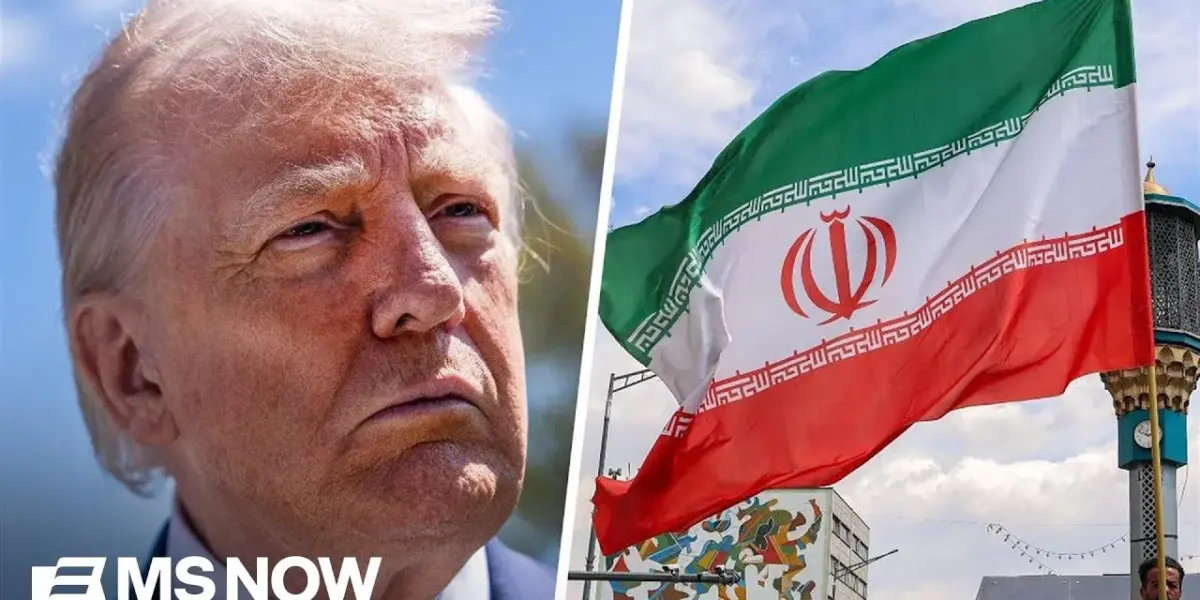
US-Iran Tensions Escalate Amidst Ultimatum
As a critical deadline loomed, President Trump’s rhetoric regarding Iran reached a fever pitch, raising serious concerns about international law and the potential for devastating conflict. With just hours left before a stated ultimatum, hopes for a peace agreement were fading rapidly, while threats of widespread destruction escalated dramatically.
Mediators from Pakistan, Turkey, and Egypt worked tirelessly behind the scenes, attempting to broker a ceasefire and reopen the vital Strait of Hormuz for oil transport. However, recent attacks by both the U.S. and Iran, coupled with increasingly aggressive statements from Washington, have cast a long shadow over these peace efforts.
‘Beyond Crude’: Rhetoric Sparks Outrage
President Trump’s remarks, including a chilling statement that Iran’s “whole civilization will die tonight,” have drawn sharp criticism. “It’s beyond crude,” stated one analyst, highlighting the disregard for the potential impact on millions of lives. This aggressive language, experts suggest, not only damages America’s global reputation but also sets a dangerous precedent.
The President’s comments have been met with a stark reality check from former military and legal officials. “Words like ‘no quarter given’ and ‘ROE is stupid’ are not what our country stands for,” commented one former Navy lawyer, emphasizing that such statements are being recorded and could have long-term consequences.
War Crime Allegations Surface
The escalating rhetoric has led to accusations that the Trump administration may be disregarding international humanitarian law. Specifically, the targeting of civilian infrastructure, such as bridges and power plants, is a direct violation of the Geneva Conventions. “It seems that we are doing just that,” noted a former Pentagon official, pointing out that such actions could constitute war crimes.
The Geneva Conventions prohibit deliberate attacks on civilian infrastructure like hospitals and schools. Violating these conventions is not only a breach of international law but also a violation of U.S. law, with no statute of limitations on war crimes prosecution. This legal framework means that actions taken today could lead to accountability for decades to come.
Domestic Pressure Mounts
While international law is being scrutinized, domestic pressure is also building. Polls indicate that a significant majority of Americans are uncomfortable with the ongoing conflict, with six out of ten believing U.S. military action in Iran has gone too far. This public sentiment is expected to put pressure on Congress to address the situation upon their return.
The President’s shifting justifications for the conflict, including his recent focus on the Strait of Hormuz, have also been noted. Initially downplaying its importance, the administration now views its free passage as a top priority, a change that has left many observers questioning the strategy and goals behind the military engagement.
A Business of War?
President Trump’s comments about potentially profiting from Iran’s oil, drawing parallels to Venezuela, have further fueled concerns. While framing it as a way to support the American people, the idea of seizing oil resources raises significant legal and ethical questions, especially given Iran’s rejection of such proposals.
“There is no sign Iran would agree to anything like that,” one reporter noted, underscoring the vast gap between the administration’s stated desires and the realities of international negotiation. The situation remains tense, with mediators working against the clock to bridge the divide and prevent further escalation.
What’s Next?
As the deadline approaches, the focus remains on whether any breakthrough can be achieved. Despite dimming hopes, the mediators continue their efforts, seeking to find common ground between the U.S. and Iran. The world watches, hoping for a de-escalation that avoids further conflict and upholds international legal standards.
The coming hours will be critical in determining the path forward. Whether a ceasefire is reached or the situation spirals further out of control, the rhetoric and actions of the past few days have already left a significant mark on international relations and the principles of warfare.
Source: 'Beyond crude': Reaction to Trump's threat to Iran saying 'whole civilization will die tonight' (YouTube)

Related Articles
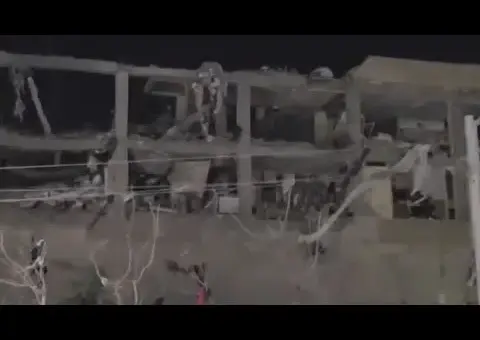
Iran and US Trade Blows as Tensions Spike
The U.S. and Iran are engaged in a dangerous exchange of strikes, with a critical deadline set by President Trump looming over the Strait of Hormuz. Both nations, along with Israel, are escalating military actions, while diplomatic channels remain open but strained.
Trump’s Iran Threats Spark War Crimes Fears
Former President Donald Trump's extreme threats against Iran have led to a communication blackout and fears of war crimes. Iran has warned of severe regional retaliation if attacked, while international figures call for Trump's removal from office.

Iran Uses Civilians as Shields Amidst Escalating Tensions
Iran has reportedly deployed civilians as human shields around power plants and bridges amidst escalating tensions and collapsing diplomatic talks. This tactic aims to deter potential attacks by creating a moral dilemma, while official statements deny the use of nuclear weapons. The situation highlights a disturbing trend in modern warfare.