Astronauts’ Silent Treatment Exposes Trump’s Space Rift
An awkward call between Donald Trump and the Artemis 2 astronauts, marked by prolonged silence from the crew, highlights a perceived disconnect in values and leadership. The incident contrasts with past presidential interactions and raises questions about Trump's stance on space exploration versus his proposed budget cuts.

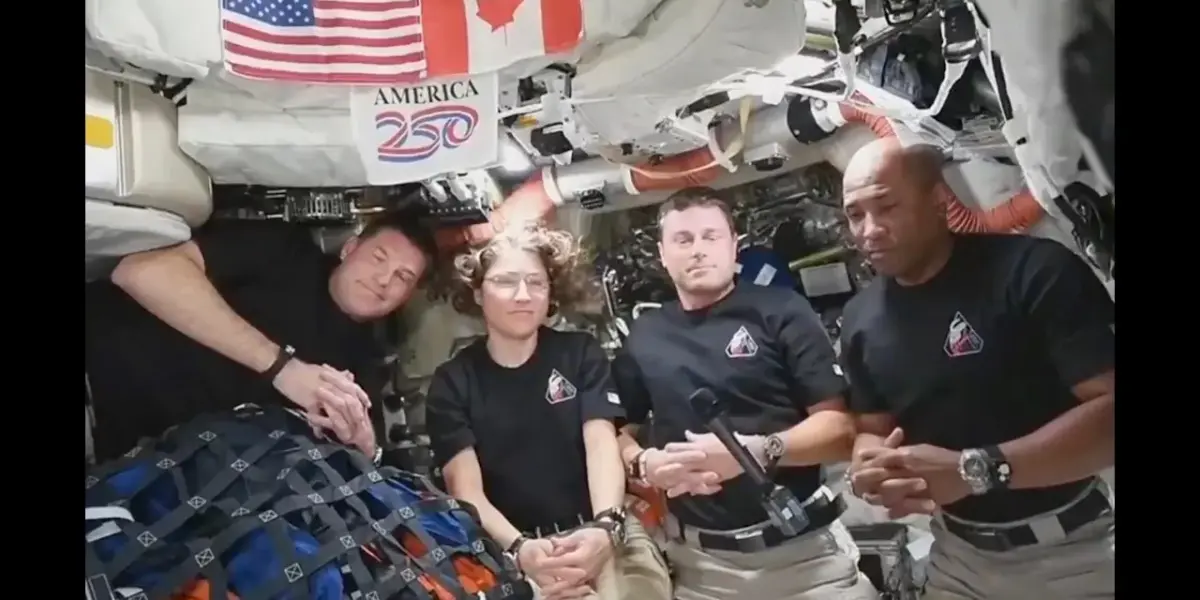
Astronauts’ Silent Treatment Exposes Trump’s Space Rift
A recent call between former President Donald Trump and the Artemis 2 crew, currently in space, took an unexpectedly awkward turn. Instead of a lively exchange, the astronauts met Trump’s lengthy remarks with a noticeable and prolonged silence. This quiet response, lasting nearly a minute, has sparked discussion about the nature of political engagement and the perception of leadership.
The transcript reveals Trump speaking at length about his connections to Canada and praising the astronauts for their courage and genius. He mentioned speaking with Wayne Gretzky, the famous hockey player, and the Canadian Prime Minister, suggesting these figures were proud of the crew. However, the astronauts’ lack of immediate verbal response stands out.
This moment contrasts sharply with typical interactions between public figures and high-profile individuals. The author, drawing from personal experience meeting with presidents, highlights that such opportunities are usually cherished and extended. In one instance, the author deliberately prolonged a conversation with President Biden, wanting to make the most of the rare audience. The astronauts’ silence, therefore, suggests a deliberate choice rather than a lack of things to say.
Why This Matters: A Contrast in Values
The analysis suggests the astronauts’ reserved reaction stems from a fundamental difference in values and character. The author describes the astronauts as brilliant, competent individuals dedicated to science, contrasting them sharply with Trump, whom the author characterizes as a “con man, a fraud, a liar, a cheat” who fakes knowledge and expertise.
Trump’s comments also touched on his relationship with Canada, mentioning speaking with the Canadian Prime Minister. However, the author points out that Trump’s history of critical remarks towards Canada and its leaders might have made this reference particularly out of place. The implication is that Trump has damaged his standing with many, making such attempts at connection feel disingenuous.
This situation is presented as a missed opportunity for unity. Space exploration, the author argues, should be a unifying force for the world. Yet, the current political climate, largely attributed to Trump’s influence, is seen as deeply divisive. The author lists global issues like strained international alliances, ongoing conflicts, and threats to democracy as evidence of this division.
Historical Context and Budgetary Concerns
The piece also brings up Trump’s past proposals regarding NASA’s budget. It’s noted that Trump previously suggested significant cuts to NASA, alongside reductions in other domestic programs like environmental protection, housing, education, and job training. These proposed cuts were reportedly intended to increase the defense budget.
This history, the author argues, creates a stark contrast between Trump’s current words of support for space exploration and his past policy suggestions. The implication is that his administration might have undermined the very programs he now seems to champion.
A Moment of Hope and Naming the Moon
Despite the critical tone regarding Trump, the analysis ends on a hopeful note, focusing on a positive aspect of the astronauts’ time in space. The crew had the chance to name new craters on the moon. This act of naming, the author suggests, is a way to restore faith in humanity and create lasting legacies.
The astronauts proposed naming a crater “Integrity,” reflecting the spacecraft’s crucial function. They also proposed naming another feature “Carol” in honor of a lost loved one from their astronaut family. These names, chosen with care and personal meaning, represent a moment of profound human connection and remembrance, standing in contrast to the political tensions.
Future Outlook: Power and Progress
The author concludes by referencing a new book, “The Day After: How to Wield Power in a Post-Trump World.” This book reportedly explores how power is used and misused in politics, particularly focusing on how Republicans wield it and Democrats are perceived as hesitant to do so. The book aims to provide a guide for future progress, suggesting a need for a more assertive approach to achieving positive change.
The entire episode, from the awkward call to the naming of lunar features, serves as a reflection on leadership, values, and the potential for both division and unity in the modern world. It highlights how even in the vastness of space, political dynamics and personal character continue to play a significant role.
Source: OMG: Astronauts REFUSE to talk to Trump in AWKWARD call from space (YouTube)

Related Articles
Trump Threatens Iran With ‘Demolition’ Amid Impeachment Talk
President Trump issued a stark warning to Iran, threatening widespread demolition of its infrastructure if a deal isn't reached. Meanwhile, domestic politics heat up as an Arizona Democrat plans to introduce articles of impeachment against Secretary of War Pete Hegseth, though success is unlikely in the current political climate.
Trump’s Cold Shoulder: Vance Stumbles on Global Stage
Senator JD Vance faced public embarrassment during a trip to Hungary, appearing uninformed on U.S. actions against Iran and unable to reach Donald Trump by phone. The incident highlights communication breakdowns and raises questions about Vance's diplomatic effectiveness.

Trump’s ‘Civilization Dies’ Threat Sparks War Crime Fears
Former President Donald Trump's social media threat that "a whole civilization will die tonight" has sparked international outcry, with experts warning of potential war crimes. Analysts question the feasibility of such an attack and its devastating implications for regional stability and international law.