US Tightens Iran Stranglehold, Demands Open Strait of Hormuz
The U.S. has issued an ultimatum to Iran, demanding the Strait of Hormuz remain open by 8:00 PM or face severe military consequences. Overnight strikes on Kharg Island signal escalating tensions, while Vice President Vance expresses cautious hope for a diplomatic solution.

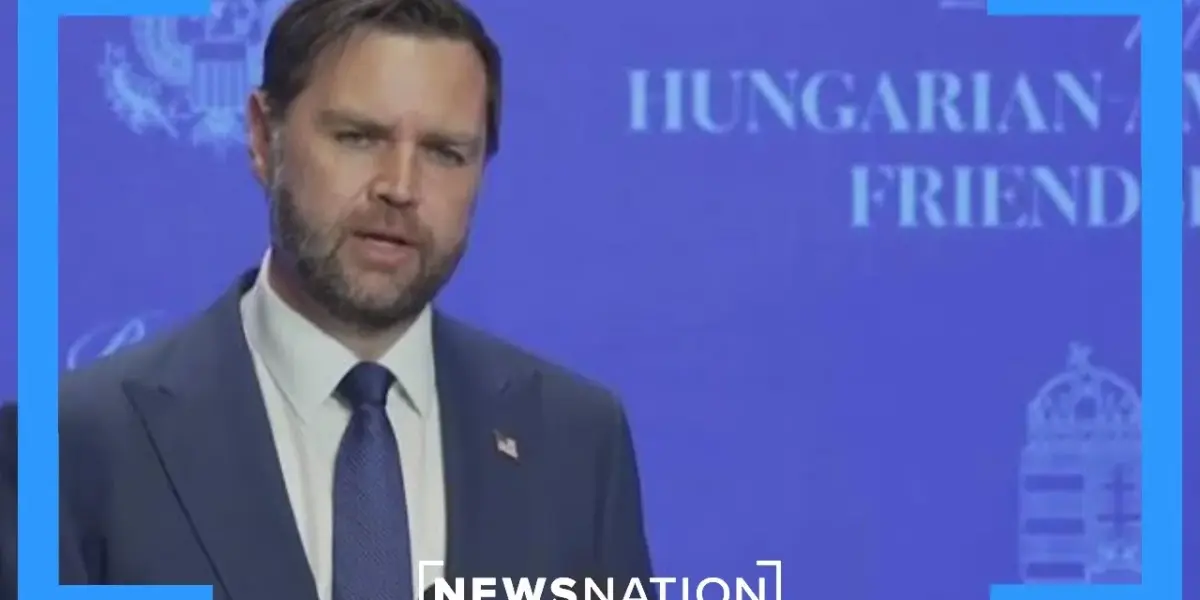
US Strikes Iran, Demands Hormuz Opening by Deadline
The United States has escalated its pressure on Iran, launching military strikes on the country’s Kharg Island and issuing a stark deadline for concessions. President Trump has warned of “horrific consequences” and an unprecedented military response if Iran does not agree to open the vital Strait of Hormuz by 8:00 PM tonight. This action follows overnight strikes targeting military sites on Kharg Island, Iran’s main oil hub. A White House official confirmed these were military targets, not related to oil itself, though oil is central to the dispute.
Strait of Hormuz: A Critical Chokepoint
The Strait of Hormuz is a narrow waterway connecting the Persian Gulf to the open ocean. About 30% of the world’s seaborne oil trade passes through this strait. Iran has previously threatened to block or disrupt shipping in the Strait, which would severely impact global oil supplies and prices. President Trump’s demand is for this waterway to remain fully open for international traffic.
Vice President Vance’s Cautious Optimism
Despite the military actions, U.S. Vice President JD Vance expressed a degree of optimism from Budapest. He stated that he hopes Iran will be “smart” and meet the President’s demands before the deadline. Vance suggested that negotiations are ongoing and that a positive resolution is possible. He also noted that the strikes on Kharg Island align with the current U.S. strategy, emphasizing that the U.S. would not strike energy infrastructure unless Iran failed to make a proposal or refused to comply with the President’s demands.
President Trump’s Stark Warning
President Trump took to social media to reiterate his strong stance. He wrote that “whole civilization will die tonight” if a deal is not reached, though he expressed a desire to avoid such an outcome. He also hinted at the possibility of a “revolutionary” and “wonderful” development, suggesting a deal might still be possible with Iran’s new leadership. The President appears unconcerned that targeting civilian infrastructure could be considered a war crime, claiming the Iranian people overwhelmingly support U.S. actions.
Historical Context: Decades of Tension
Tensions between the U.S. and Iran have a long history, dating back to the 1979 Iranian Revolution. The U.S. has often sought to limit Iran’s nuclear program and its regional influence. The Strait of Hormuz has been a recurring flashpoint, with both countries conducting military exercises in the area and threatening each other’s naval activities. Past agreements, like the 2015 Joint Comprehensive Plan of Action (JCPOA) on Iran’s nuclear program, have been sources of diplomatic struggle and have been withdrawn from by the U.S. under President Trump, leading to renewed sanctions and heightened tensions.
Economic Leverage and Sanctions
The U.S. has used economic sanctions as a primary tool to pressure Iran. These sanctions aim to cripple Iran’s oil exports and its access to international finance, thereby limiting its ability to fund its military and regional activities. Iran, in turn, has used the threat of disrupting oil flow through the Strait of Hormuz as its main counter-leverage. The global economy is highly dependent on the stable flow of oil from the Persian Gulf, making any disruption a significant concern for countries worldwide.
Global Impact: Reshaping the World Order
This confrontation directly impacts global energy markets and international shipping. A closure or significant disruption of the Strait of Hormuz would cause oil prices to skyrocket, affecting economies worldwide. It could also lead to a broader regional conflict, drawing in other Middle Eastern nations and major global powers. The U.S. demand for open passage in the Strait is a challenge to Iran’s regional assertiveness and could reshape security arrangements in the Persian Gulf. The outcome of this deadline will significantly influence the future of U.S.-Iran relations and the stability of the wider Middle East.
Future Scenarios
Several outcomes are possible. Iran could agree to the U.S. demands, leading to a de-escalation. Alternatively, Iran might refuse, prompting the U.S. to follow through with its threatened military response, which could be severe and far-reaching. A third scenario involves continued brinkmanship, with limited actions and ongoing negotiations, but no clear resolution by the deadline. The likelihood of each scenario depends on the complex calculations of both leaderships and the reactions of other international players.
Source: Vance ‘confident’ Iran will respond to US demands by deadline | NewsNation Live (YouTube)

Related Articles

Trump’s ‘Civilization Dies’ Threat Sparks War Crime Fears
Former President Donald Trump's social media threat that "a whole civilization will die tonight" has sparked international outcry, with experts warning of potential war crimes. Analysts question the feasibility of such an attack and its devastating implications for regional stability and international law.

Trump’s Civilization Threat Sparks Global Alarm
President Trump's stark warning of "civilizational destruction" in Iran has ignited global concern, raising questions about diplomatic norms and the potential for wider conflict. As communications break down and military actions escalate, the world watches anxiously for de-escalation or further confrontation.


Moon Mission Sparks New Space Race Era
The Artemis II mission's return from the Moon marks a new era in space exploration, potentially sparking a modern space race. The mission provided new scientific data and breathtaking views, while also highlighting the inherent risks of deep space travel. This renewed focus on lunar exploration has significant geopolitical and economic implications for global powers.