US, Israel Strike Iran, Shifting Regional Power
The U.S. and Israel have launched significant military strikes targeting Iran's Kharg Island and infrastructure. These actions are rapidly altering the regional power balance amidst failed diplomatic efforts and growing tensions. Neighboring countries are on alert as the Middle East faces potential escalation.

US, Israel Strike Iran, Shifting Regional Power
The Middle East is experiencing a major shift as the United States and Israel launch military strikes targeting Iran. These actions, occurring rapidly, are reshaping the balance of power in the region and raising concerns about further escalation. The strikes come as a crucial deadline approaches, with diplomatic efforts seemingly failing to prevent wider conflict.
US Strikes Kharg Island
American forces have targeted Kharg Island, a vital location for Iran’s economy. This island serves as a key oil export terminal and a critical component of Iran’s financial lifeline. By striking military targets here, the U.S. is sending a strong message and potentially paving the way for more actions.
Israeli Strikes Target Infrastructure
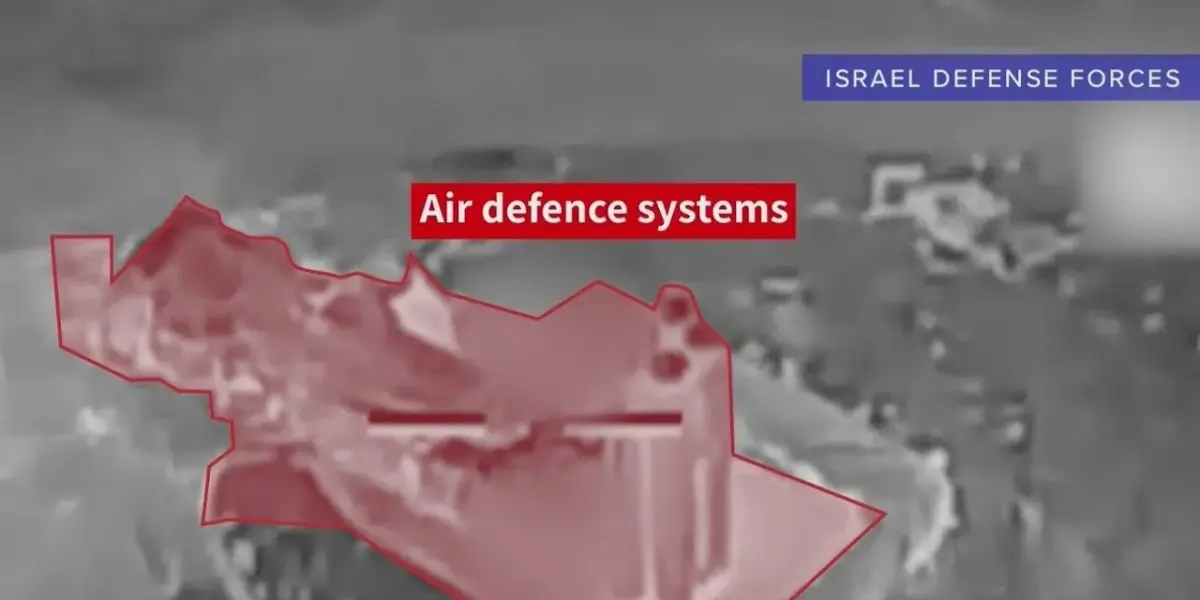
Meanwhile, Israeli forces have also carried out significant strikes. They hit eight sections of bridges and roads, along with railways and air defense systems. These attacks aim to weaken Iran’s ability to operate and defend itself. Prime Minister Benjamin Netanyahu stated that these actions are not against the Iranian people, but rather against the regime that has oppressed them for 47 years. He believes this marks a fundamental change, stating, “This is no longer the same Iran and it is no longer the same Israel. We are changing the balance of power from end to end.”
Iran’s Response and Diplomacy
Iran’s government insists it is still engaged in diplomatic talks, with Pakistan acting as a key mediator. However, Iran’s President has declared that over 14 million Iranians are ready to sacrifice their lives to defend the country. This defiant stance suggests Iran is prepared for a prolonged confrontation if negotiations fail.
Regional Concerns and Preparedness
The escalating situation has neighboring countries on edge. Qatar’s Foreign Ministry has indicated that Gulf states like the UAE and Saudi Arabia are capable of defending themselves against any Iranian retaliation. They have shown their readiness to use air defenses, fighter jets, and the army to protect their nations. The region has always been a place where unexpected events can occur, and heightened air defense activity has been observed across the Gulf states.
Historical Context
This current confrontation is not happening in a vacuum. The Middle East has a long history of complex relationships, conflicts, and shifting alliances. Past incidents and ongoing tensions between Iran, the U.S., and Israel have created a volatile environment. The downing of an F-15 over Tehran recently highlights the dangerous skies in the region. Israel’s actions appear to be an attempt to secure these airspace, preventing further incidents and asserting control.
Economic Factors
Economic leverage plays a significant role in this conflict. Kharg Island’s importance as an oil export hub means strikes there can impact global energy markets and Iran’s ability to fund its activities. Sanctions and trade dependencies are constant factors in the region’s geopolitical calculations. Control over energy routes and resources remains a key point of contention.
Shifting Power Dynamics
The coordinated strikes by the U.S. and Israel represent a significant challenge to Iran’s regional influence. This coordinated effort signals a potential new phase in the long-standing rivalry. The actions taken aim to degrade Iran’s military capabilities and its ability to project power. The rhetoric from Israeli leadership suggests a strategic goal to fundamentally alter the regional power structure.
Potential Future Scenarios
Several outcomes are possible. One scenario is a full-scale regional conflict, involving direct confrontations between Iran and its adversaries, potentially drawing in other nations. Another possibility is a de-escalation through successful diplomatic intervention, though current signs are not encouraging. A third scenario could involve continued, targeted strikes and retaliatory actions, leading to a prolonged period of heightened tension and instability without erupting into full-blown war. The next few hours and days will be critical in determining which path the region takes.
Global Impact
These events have far-reaching consequences beyond the immediate region. Disruptions to oil supplies, increased global uncertainty, and the potential for wider conflict can affect economies and security worldwide. The actions taken also raise questions about the future of international diplomacy and the effectiveness of current security arrangements. The world is watching closely as the situation unfolds, with implications for global stability and the international order.
Source: US military strikes Iran's Kharg Island | NewsNation Live (YouTube)

Related Articles


Trump’s ‘Civilization Dies’ Threat Sparks War Crime Fears
Former President Donald Trump's social media threat that "a whole civilization will die tonight" has sparked international outcry, with experts warning of potential war crimes. Analysts question the feasibility of such an attack and its devastating implications for regional stability and international law.

Trump’s Civilization Threat Sparks Global Alarm
President Trump's stark warning of "civilizational destruction" in Iran has ignited global concern, raising questions about diplomatic norms and the potential for wider conflict. As communications break down and military actions escalate, the world watches anxiously for de-escalation or further confrontation.


Moon Mission Sparks New Space Race Era
The Artemis II mission's return from the Moon marks a new era in space exploration, potentially sparking a modern space race. The mission provided new scientific data and breathtaking views, while also highlighting the inherent risks of deep space travel. This renewed focus on lunar exploration has significant geopolitical and economic implications for global powers.