America’s Rural Divide Fuels Political Extremism
Rural America's deep-seated discontent, fueled by economic hardship and a reliance on simplified, fear-based information, is driving political extremism. This analysis examines how a lack of education and a disconnect from reality contribute to the "MAGA" movement's appeal, with profound implications for America's global standing.

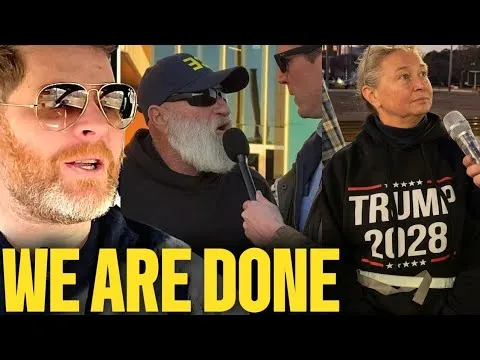
America’s Rural Divide Fuels Political Extremism
A deep chasm is opening in America, dividing the nation between those who feel left behind and those who believe the country is on the wrong track. This divide is particularly stark in rural areas, where a sense of disillusionment and a reliance on simplified, often fear-based, information sources are shaping political views. This analysis explores the roots of this discontent and its impact on the American political landscape.
The Appeal of “MAGA” in Small-Town America
Many people in small towns and rural communities feel unheard and overlooked by the broader American system. They often see themselves as the true embodiment of American values, yet feel their way of life is under threat. This sentiment is captured by the “Make America Great Again” (MAGA) movement, which promises a return to a perceived simpler, more prosperous past.
Supporters of this movement often express a strong desire for figures like Donald Trump to lead the country, even if they misunderstand or disregard constitutional limits. For example, some voters interviewed indicated they would support Trump running again even if it went against the Constitution. This suggests a loyalty to the leader over the established rules of governance. Their news sources, often limited to platforms like Fox News and Facebook, can reinforce these views, creating echo chambers that confirm existing beliefs.
Education and Information Gaps
A significant factor contributing to this divide appears to be a difference in access to and engagement with education and diverse information. The transcript suggests that many voters in these communities may not be well-read or critically engaged with complex issues. Instead, they rely on headlines and soundbites for their understanding of the world.
This reliance on simplified information can make people more susceptible to propaganda and emotional appeals. When asked about critical events, such as the actions of ICE in Chicago involving families and children, some individuals expressed unwavering support for any tactic that keeps the country “free and clean.” This indicates a willingness to overlook or justify harsh measures when framed as necessary for national security or purity.
Economic Hardship and Social Disconnect
Rural America faces significant economic challenges. Many small towns suffer from high unemployment rates, with residents often working low-wage jobs in places like Dollar General or gas stations. This economic struggle is compounded by a sense of isolation and a lack of opportunity.
Ironically, these same individuals may vote for politicians who promise to cut social safety nets, only to find their lives become harder. This creates a cycle of hardship and resentment. The transcript points out that this is not a new phenomenon; historically, rural communities have seen their industries decline and their workers exploited, but now there’s a growing political movement that seems to embrace this hardship as a sign of strength or authenticity.
A Culture of Fear and Emotion Over Reason
The political messaging that resonates most strongly in these communities often taps into fear and emotion, rather than reasoned debate. Complex issues are reduced to simple narratives of good versus evil, or us versus them. This fear-based thinking can lead to intolerance, such as a stated rejection of Islam, while still claiming to respect other religions.
This approach simplifies the world, making it easier to understand for those who feel overwhelmed or disenfranchised. It allows for easy scapegoating of external groups or internal elites, preventing self-reflection on the choices that contribute to their difficult circumstances. The transcript argues that this reliance on emotion and fear makes the MAGA movement inherently irrational and unsustainable.
Historical Context and Lost Prosperity
Some of the discontent stems from a perceived loss of American greatness. Historically, communities in places like West Virginia relied on strong unions and collective action to secure better working conditions and wages, especially in industries like coal mining. These were fights won through organized labor and a sense of shared purpose.
However, the transcript notes that many descendants of these workers now seem to applaud as those same unions and regulations are dismantled. This suggests a disconnect from their own history and a willingness to accept policies that ultimately harm their economic well-being, perhaps in exchange for a sense of national pride or identity promoted by populist leaders.
The “Ugly American” Abroad and at Home
The critique extends to how these sentiments are perceived internationally. The “ugly American” stereotype—an arrogant, culturally insensitive tourist—is seen as now running the country. This is linked to a broader global trend where countries are becoming more cautious about who they let in, with some nations like Portugal delaying or restricting “golden visa” programs.
The implication is that the world is watching the internal struggles of the United States and developing concerns about its direction and its citizens. The transcript suggests that the current political climate has made the U.S. a global pariah, damaging its international standing and economic relationships.
Global Impact: Reshaping the World Order
The internal divisions and political trends within the United States have significant global repercussions. A nation perceived as deeply divided and driven by emotion rather than rational policy struggles to maintain its international leadership role. This can lead to a less stable global order, where alliances weaken and international cooperation falters.
The economic consequences are also far-reaching. As supply chains break down and costs rise globally, the U.S. faces increasing economic pressure. If the country cannot effectively manage its own economy or project stability abroad, it risks further isolation and a decline in its global influence. This could pave the way for other powers to fill the void, fundamentally altering the geopolitical balance.
Future Scenarios
One future scenario is a continuation of the current trajectory, leading to further political polarization and economic decline. In this case, the divisions in small-town America become more entrenched, and the chasm between different groups widens. This could result in increased social unrest and a further erosion of democratic norms.
Another possibility is a gradual shift towards more reasoned discourse and a renewed focus on education and critical thinking. This would require a concerted effort from leaders, educators, and citizens to bridge divides and address the underlying economic and social issues driving discontent. However, the transcript expresses deep pessimism about the possibility of such a positive turn, suggesting that the current path may be irreversible.
Conclusion: A Nation at a Crossroads
The situation described is one of profound national challenge. The reliance on fear, misinformation, and emotional appeals, particularly in economically struggling rural areas, poses a significant threat to the stability and future of American democracy. The transcript concludes with a somber assessment: the United States, as currently constituted, may be beyond repair, driven by a population that prioritizes emotion and fear over reason and unity. The question remains whether the nation can find a path back toward a more informed and cohesive future, or if these divisions will prove insurmountable.
Source: How The Empire Broke Small Town MAGA America (YouTube)

Related Articles
25th Amendment Calls: Can JD Vance Act Against Trump?
Searches for the 25th Amendment are spiking as public figures and citizens demand action regarding Donald Trump's behavior. The process hinges on Vice President JD Vance, who must secure support from Congress or the Cabinet to initiate removal. This analysis explores the challenges and potential future actions, including congressional hearings if Democrats regain control.
Trump’s Rhetoric and Health Concerns Fuel Global Unease
Recent public appearances by Donald Trump have fueled concerns about his health and the aggressive nature of his rhetoric. His threats towards Iran, coupled with puzzling public statements and a focus on unusual topics, raise significant questions about his fitness for office and the potential impact on global stability and domestic policy.

GOP Lawmaker: Democrats’ ‘America-Last’ Stance Sinks Polls
A Republican congressman asserts that the Democratic Party's "America-Last" rhetoric is causing a significant drop in their poll numbers. He criticizes their foreign policy stances and perceived alignment with adversarial regimes over American interests.