Trump’s Rhetoric and Health Concerns Fuel Global Unease
Recent public appearances by Donald Trump have fueled concerns about his health and the aggressive nature of his rhetoric. His threats towards Iran, coupled with puzzling public statements and a focus on unusual topics, raise significant questions about his fitness for office and the potential impact on global stability and domestic policy.

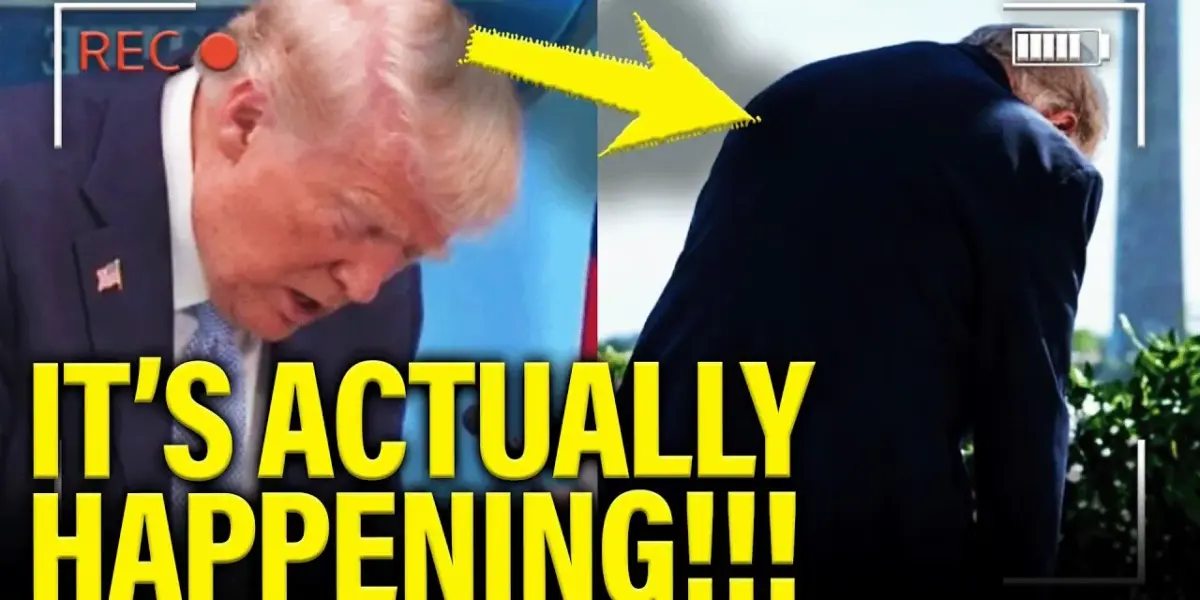
Trump’s Rhetoric and Health Concerns Fuel Global Unease
Recent public appearances by Donald Trump have sparked significant discussion, particularly regarding his health and the aggressive tone of his statements. As he sets firm deadlines for Iran and issues threats of obliteration, his public discourse has drawn comparisons to a child’s communication methods and raised questions about his fitness for office.
Aggressive Stance on Iran Meets Bizarre Imagery
Trump has issued stark warnings to Iran, threatening to destroy their country, including power plants and bridges, if they do not negotiate. This tough talk, however, has been juxtaposed with unusual imagery. During an Easter egg hunt event, Trump was seen with an Easter bunny, while simultaneously discussing an ‘auto pen’ and questioning children about President Biden’s use of one. He also made puzzling remarks about voters in the egg industry and Kamala Harris’s intelligence, creating a jarring contrast between his foreign policy threats and his public interactions.
“How did I do with the voters that do eggs?” Donald Trump reportedly asked, adding, “Did anybody in the egg industry vote for Kamala? She’s low IQ.”
These moments, combined with his threats against Iran, have led to confusion and concern. His remarks about Iran’s military strength and his own actions, such as claiming credit for eliminating Osama bin Laden and Qasem Soleimani, have been met with skepticism and accusations of delusion.
Questions About Cognitive and Physical Well-being
Commentators have pointed to a perceived rapid deterioration in Trump’s physical and cognitive health. His public statements, often rambling and disconnected, fuel these concerns. For instance, his discussion about night vision goggles, where he claimed to see better with them during the day than without them, has been highlighted as an example of his confusing rhetoric.
Further adding to the unease, Trump has expressed a desire to run for president of Venezuela, stating he polls higher there than anyone else and that he would quickly learn Spanish. He also made the peculiar claim that the Iranian people want to hear bombs, suggesting they are unhappy when the bombing stops because it means the attacks are not returning.
Economic Impacts and Policy Concerns
Beyond the rhetoric, Trump’s policies have also come under scrutiny. His administration’s tariffs have been linked to rising energy costs for American families, with data suggesting over $1,700 in tariff costs per family since he took office. Energy bills have reportedly surged, with gas and utility costs increasing significantly. This is compounded by a rollback of clean energy investments and tariffs on items like wind turbines and solar panels, making the transition to cleaner energy more expensive.
Moreover, proposed budget cuts include the elimination of the Low Income Home Energy Assistance Program (LIHEAP), which helps millions of families heat and cool their homes. This, critics argue, leaves vulnerable populations facing higher bills and fewer protections during a time of global instability and rising energy prices.
Historical Context and Future Outlook
Trump’s approach to foreign policy, characterized by strong threats and a willingness to challenge established diplomatic norms, is not new. His past actions, such as the withdrawal from the Iran nuclear deal and increased sanctions, have shaped the current geopolitical climate. However, the combination of aggressive rhetoric, questions about his health, and the economic consequences of his policies presents a complex and potentially volatile situation.
The juxtaposition of his threats against Iran with his seemingly erratic public statements and focus on trivial matters, like AI-generated images or crypto conferences, raises serious questions about his judgment and readiness for leadership. The lack of clear communication, as described by Trump himself in relation to Iran, and his own admission of not knowing what he is doing regarding his messaging on the war, further complicates the outlook.
Why This Matters
The statements and actions of a major political figure like Donald Trump have far-reaching consequences. His aggressive foreign policy stance can escalate international tensions, potentially leading to conflict and further economic instability. Simultaneously, concerns about his cognitive and physical health raise critical questions about his ability to fulfill the duties of the presidency. Voters and the public at large are left to weigh the potential impact of his policies and rhetoric on national security, the economy, and the very fabric of political discourse.
The way he communicates, the clarity of his intentions, and his overall fitness for office are central to these concerns. As the political landscape continues to evolve, these issues will likely remain at the forefront of public debate, influencing voter decisions and shaping the future direction of the country.
Source: Trump’s HEALTH COLLAPSES at KEY MOMENT IN WAR!!! (YouTube)

Related Articles
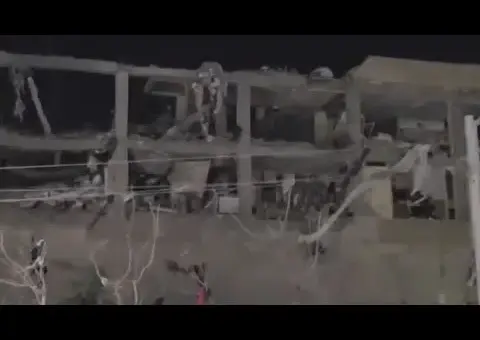
Iran and US Trade Blows as Tensions Spike
The U.S. and Iran are engaged in a dangerous exchange of strikes, with a critical deadline set by President Trump looming over the Strait of Hormuz. Both nations, along with Israel, are escalating military actions, while diplomatic channels remain open but strained.

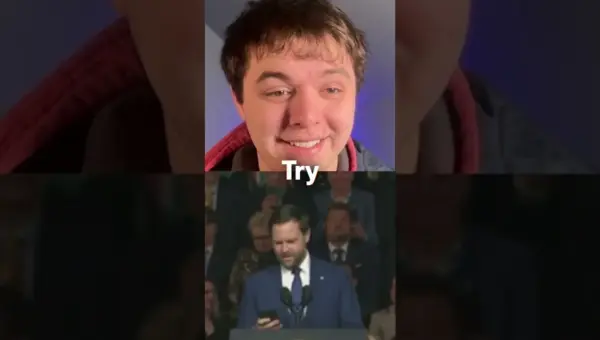
Trump Ditches Vance’s Call, Shows Favor for Rubio
Senator JD Vance's live rally call to Donald Trump went unanswered, leading to an awkward voicemail. The incident suggests a potential cooling of relations between Vance and Trump, with a perceived favoritism towards Senator Marco Rubio.
Trump’s Iran Threats Spark War Crimes Fears
Former President Donald Trump's extreme threats against Iran have led to a communication blackout and fears of war crimes. Iran has warned of severe regional retaliation if attacked, while international figures call for Trump's removal from office.