Brazil Brands BYD ‘Dirty’ Over Slavery-Like Labor Abuses
Brazil has added Chinese automaker BYD to its 'dirty list,' accusing the company of subjecting workers to slavery-like conditions at a factory construction site. The investigation found poor housing, withheld wages, and confiscated passports. This designation could limit BYD's access to financing and damage its reputation in a key market.

Brazil Brands BYD ‘Dirty’ Over Slavery-Like Labor Abuses
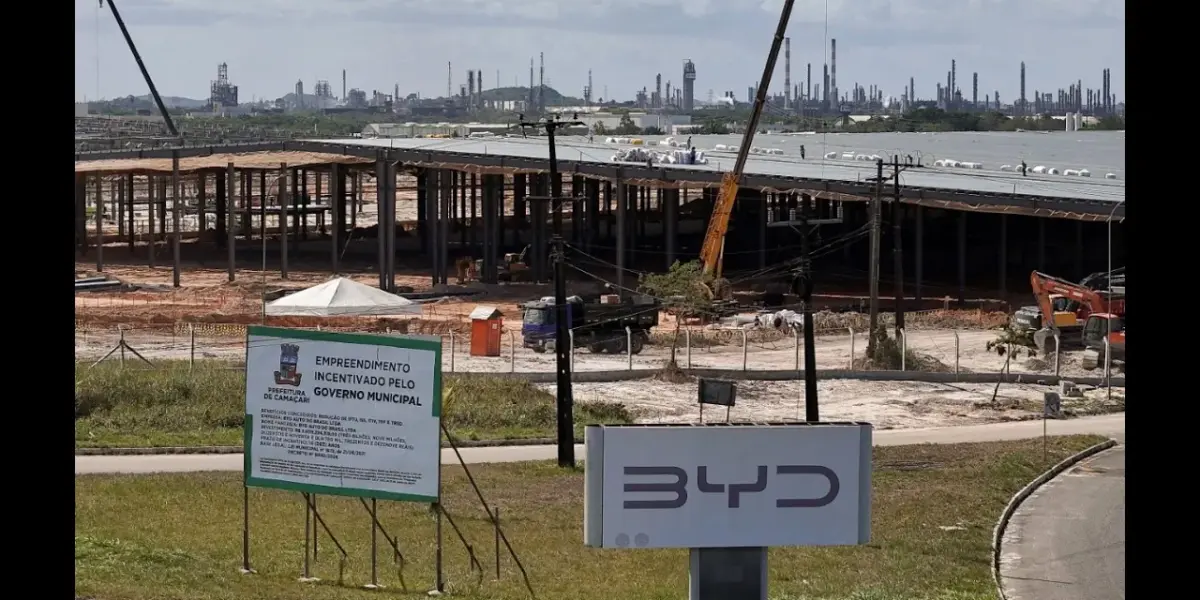
Brazil has placed Chinese electric vehicle maker BYD on a government list of companies accused of treating workers in ways similar to slavery. This serious accusation comes after a government investigation. The probe looked into a BYD factory construction site in Bahia, a state in northeast Brazil. More than 160 workers were involved in the investigation this year, 2024.
Investigation Details Harsh Conditions
Investigators reported finding deeply unfair and degrading conditions for the workers. These included very poor housing, wages that were not paid, and passports being taken away. This means workers could not travel freely or prove their identity. These practices are often seen in situations of forced labor.
BYD and Contractor Respond
BYD has stated that they were unaware of any violations. The company said they only learned about the scandal when local news reported it. The contractor that hired the workers involved in the accusations has also denied the claims made against them. However, Brazilian officials believe the automaker holds responsibility for the working conditions at its sites.
What ‘Dirty List’ Means for BYD
Being added to Brazil’s ‘dirty list’ is a significant development. It does not immediately stop BYD’s operations in the country. However, it can severely limit their access to financial support. Companies on this list may be barred from getting loans from Brazilian banks. This could make it much harder for BYD to fund its expansion and projects in Brazil.
Reputation at Risk in Key Market
Brazil is an important and growing market for BYD’s electric vehicles. The accusations and the resulting ‘dirty list’ designation pose a major risk to BYD’s reputation there. A damaged reputation could lead to fewer sales and less trust from consumers and business partners. This situation highlights the importance of ethical labor practices for global companies.
Why This Matters
This event shines a spotlight on the responsibilities that large international companies have. It shows that governments are watching for labor abuses, even in fast-growing industries like electric vehicles. BYD is a major player in the global EV market. If a company of its size is found to be linked to such serious labor issues, it sends a strong message. It reminds everyone that profit should not come at the cost of human dignity and basic worker rights. This case could influence how other countries monitor labor practices and how companies manage their supply chains.
Historical Context and Future Outlook
The concept of labor exploitation is sadly not new. Throughout history, workers in various industries have faced terrible conditions, including forced labor and slavery-like practices. Brazil has a history of dealing with issues related to labor exploitation. The country has laws in place to combat modern slavery. Adding BYD to this list shows that these laws are being enforced. For the future, this situation could push other electric vehicle manufacturers to be more careful. They will likely increase scrutiny of their own labor practices and those of their contractors. BYD will need to address these accusations carefully to regain trust and continue its business in Brazil and potentially other markets.
Broader Implications for Global Business
This incident is more than just a problem for one company. It reflects a growing global awareness of corporate social responsibility. Consumers and governments worldwide are increasingly demanding that companies operate ethically. This includes ensuring fair treatment of workers throughout their entire supply chain. For BYD, the challenge is to demonstrate that they are committed to upholding labor standards. For the electric vehicle industry, it’s a reminder that rapid growth must be accompanied by ethical practices. The way BYD handles this situation will be watched closely by competitors and regulators alike.
Source: Chinese Auto Maker Added to Brazil's 'Dirty List' Over Workers' Past Slavery-Like Conditions (YouTube)

Related Articles

NY Auto Show: US Factories Fueling Future Car Designs
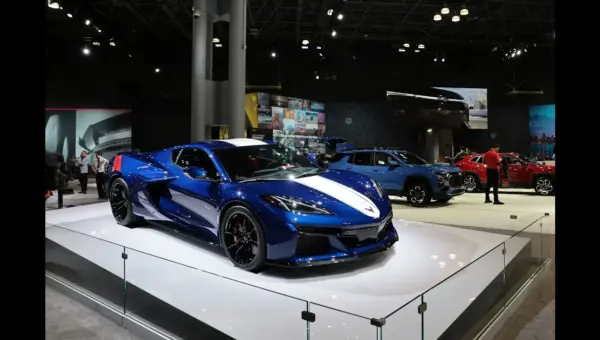
The New York Auto Show highlighted new vehicle models and a strong focus on U.S. manufacturing. Automakers are investing in American factories to build trucks, SUVs, and performance cars, signaling a commitment to the domestic market and its consumers.
China’s Auto Parts: A Security Risk for America?
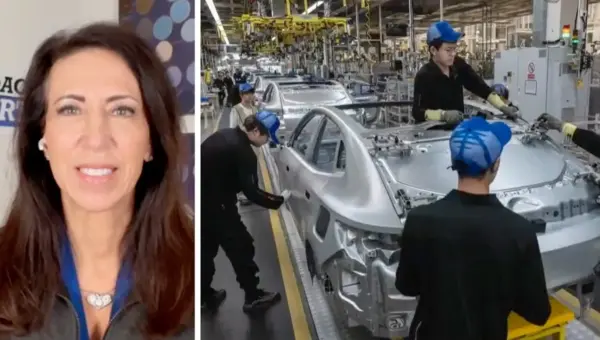
A new bill proposes to restrict Chinese auto parts and vehicles in the U.S., citing concerns over quality and data security. Experts suggest this could boost American jobs but might also increase costs for consumers. The debate highlights the growing tension between global trade and national interests.


Rare Mia Electric Car: A French Charmer or Costly Catastrophe?
The Mia electric car is a rare French EV known for its unique three-seat layout. While intriguing, this car faces significant challenges with parts availability, performance, and maintenance, making it a costly curiosity for most.