Defense Secretary’s Easter Rescue Comparison Sparks Debate
The U.S. Defense Secretary's comparison of a downed airman's rescue to Jesus' resurrection has sparked debate. Critics argue this religious framing of military action plays into Iran's hands and hinders diplomacy. Experts warn of escalating conflict and historical blowback from such strategies.

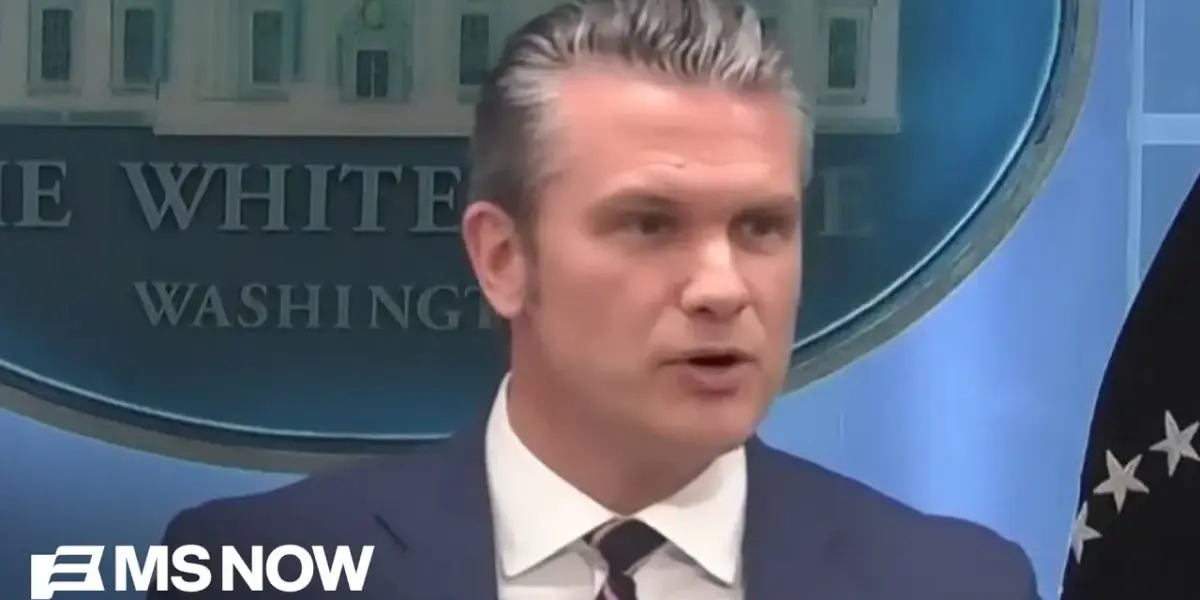
US Airman’s Rescue Over Iran Compared to Easter Resurrection
The U.S. Defense Secretary has drawn parallels between the Easter rescue of a downed American airman in Iran and the resurrection of Jesus Christ. This comparison was made during an account of the daring rescue operation, highlighting the airman’s ordeal and its connection to biblical narratives of Christ’s death and resurrection.
The airman, shot down on Good Friday, evaded enemy forces for over a day. He navigated rugged terrain before activating his emergency transponder. His first message, “God is good,” reportedly signaled his survival. Hidden in a cave throughout Saturday, he was rescued on Easter Sunday as the sun rose, symbolizing, in the Secretary’s words, “a pilot reborn, all home and accounted for, a nation rejoicing.”
Criticism Mounts Over Religious Framing of Military Actions
This theological framing of military events has drawn sharp criticism. Critics argue that such language, especially when combined with presidential rhetoric that has mocked Islam, could negatively impact U.S. relations with Iran and its leadership.
Jake Sullivan, former National Security Advisor, raised concerns about how Iran’s theocratic government might interpret these religious allusions. He suggested it plays into their narrative of a “holy war against the Great Satan, the United States.” This, he believes, reinforces the Iranian regime’s view of the conflict as existential, potentially hindering diplomatic efforts. Sullivan questioned whether the religious allegories served any national security objective for the American people.
Playing into Iran’s Hands
Sullivan elaborated on how this rhetoric could benefit Iran. “It really plays on the turf of the Iranian mullahs,” he stated. By framing the conflict in religious terms, the U.S. might inadvertently strengthen the argument of hardliners in Iran who seek to rally their population for a holy war. This approach, critics contend, makes diplomatic compromise more difficult.
The situation is described as an existential conflict for Iran, while for the United States, it remains a limited one. This disparity in perceived stakes can make it difficult to achieve U.S. objectives. The analogy of Ukraine’s conflict, where one side views it as existential and the other as a proxy, was used to illustrate this point.
Broader Implications for Global Stability
The use of religious language in geopolitical strategy is seen as escalating the conflict’s intensity. Experts warn that framing the situation as a “fight to the finish” could have dangerous consequences, potentially leading to a Samson-like scenario where, if Iran falls, it brings down the entire region and the global economy with it. This broadens the stakes in ways that could ultimately harm the U.S.
Richard Haass, President of the Council on Foreign Relations, echoed these concerns. He emphasized that actions in the Middle East have historical precedents and will inevitably lead to blowback. He referenced past U.S. interventions, such as in 1953, and cautioned against ignoring historical lessons. The desire for a “forever war,” potentially driven by personal political considerations of leaders like Benjamin Netanyahu, is seen as a dangerous path.
Historical Context and Strategic Missteps
The discussion also touched upon the Trump administration’s foreign policy decisions. Critics argued that the administration ignored intelligence professionals and Pentagon advice regarding Iran. Decisions like bombing facilities or intervening in Venezuela were perceived as acts of impunity, leading to a belief that consequences could be avoided.
This approach, according to critics, has led to the current predicament. The strategy of acting without consequence, coupled with a failure to learn from historical examples of intervention, has resulted in a situation where the U.S. is now paying the price. The initial campaign promise of avoiding Middle Eastern wars by then-candidate Trump contrasted sharply with subsequent actions, suggesting a shift in strategy driven by perceived successes in other operations.
Looking Ahead: The Path Forward
The ongoing debate highlights the tension between military action and diplomatic solutions. The use of religious rhetoric in foreign policy is a critical point of contention, with experts warning of its potential to escalate conflicts and undermine stability. The long-term consequences of such strategies, particularly in volatile regions like the Middle East, remain a significant concern. Future U.S. foreign policy decisions will likely be scrutinized for their adherence to historical lessons and their impact on global security.
Source: Hegseth compares airman rescue to Jesus' resurrection (YouTube)

Related Articles
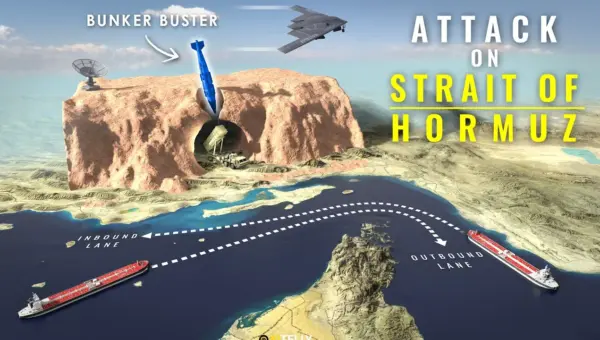
Iran’s Strait of Hormuz Trap: How the US Fights Back
Iran's strategy to control the Strait of Hormuz involves using islands as bases for anti-ship missiles and launching swarm attacks with small boats. The US counters with advanced defense systems, surveillance drones, and powerful bunker-buster bombs, highlighting the ongoing tension in this vital global shipping lane.
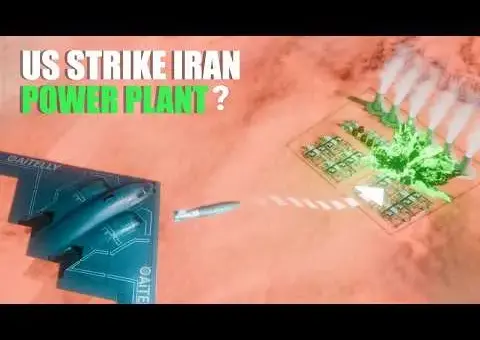
US Aims to Cripple Iran’s Power Grid to Secure Strait of Hormuz
A new US strategy reportedly targets Iran's power grid, including major plants like Damavand, to force open the Strait of Hormuz. The plan involves multi-stage air attacks using advanced bombers and precision munitions to cripple energy infrastructure and cause cascading failures.

Trump’s Iran Ultimatum: Civilization on the Brink?
President Trump issued a dire warning to Iran with a Tuesday deadline for a deal, fearing "a whole civilization will die." U.S. strikes on Kharg Island occurred, but officials state U.S. strategy remains unchanged. This escalation highlights ongoing tensions and their global implications.