Trump Warns Iran: Civilian Targets Could Face Destruction
President Trump has threatened to destroy Iran's bridges and power plants if a deadline regarding the Strait of Hormuz is not met. International alarm is growing as negotiations falter and concerns mount over potential war crimes and the impact on civilians. Allies are expressing deep concern over the U.S. approach and the potential for wider conflict.


Trump Threatens Widespread Destruction in Iran
President Donald Trump has issued a stark warning to Iran, threatening to destroy “every bridge and power plant in the country” if it fails to comply with a deadline regarding the Strait of Hormuz. The deadline expired overnight, raising global concerns about a potential escalation of conflict.
Trump stated that the entire country could be “taken out in one night,” a threat that has drawn sharp criticism and worry from international observers and allies. This aggressive stance comes as the United Nations Security Council prepares to vote on the issue, with the UK also convening military planners.
Negotiations Stall Amidst Conflicting Demands
Efforts to de-escalate the situation have so far proven difficult. CNN’s chief international anchor, Christiane Amanpour, reported that direct negotiations have not occurred. The U.S. presented a 15-point plan, while Iran offered a 10-point counter-response, but these proposals do not appear to be bridging the divide.
Iran has insisted that any talks must include an end to hostilities, not just a temporary ceasefire. Tehran fears that a brief pause would allow the United States and Israel to regroup and potentially launch a ground invasion. This demand is not currently acceptable to the U.S. or Israel.
Concerns Over War Crimes and Civilian Impact
The prospect of targeting Iran’s civilian infrastructure raises serious questions about war crimes. Reports indicate that Israel has been sending text messages in Farsi to civilians, urging them to avoid train stations, suggesting a potential focus on civilian areas.
Secretary of Defense, Pete Hegar, has been cited as advising Trump that striking civilian infrastructure might not be considered a war crime. Notably, Hegar previously lobbied Trump to release two U.S. service members convicted of war crimes, who were subsequently freed. This history has led to criticism that Hegar has a “glancing acquaintance with war crimes.”
The potential destruction of civilian targets like schools, hospitals, and power plants could have devastating consequences for the Iranian population. Accounts from Iran suggest citizens are preparing for conflict by packing survival kits and attempting to flee, indicating widespread fear and uncertainty.
Allies Express Deep Concern Over U.S. Approach
Trump’s approach has also strained relationships with traditional U.S. allies. He has publicly complained about a lack of support from countries like NATO members, South Korea, Japan, and Australia, viewing it as a personal slight.
However, within Washington and among allied governments, there is significant worry about the damage this is inflicting on global alliances. The administration’s focus on loyalty over experience in senior cabinet positions has been noted, with figures like Secretary Hegar drawing criticism for their rhetoric and perceived lack of expertise.
Gulf allies, in particular, are deeply concerned about the potential for Iranian retaliation if Iran’s power plants are attacked, fearing a wider conflict.
Uncertainty Surrounds Iranian Leadership and Negotiations
Adding to the complexity, there are unconfirmed reports that Iran’s Supreme Leader, Ali Khamenei, may be unconscious after being wounded. This underscores the limited understanding of the situation within Iran and the potential lack of a clear negotiating counterpart.
Christiane Amanpour highlighted that while Israel possesses intelligence capabilities to target Iranian leaders, the disruption at the highest levels of Iranian policy-making creates a vacuum. This makes meaningful negotiations exceptionally difficult, as potential interlocutors may have been eliminated or incapacitated.
Trump’s Rhetoric and the Risk of Escalation
President Trump’s repeated use of extreme rhetoric, such as threatening to bomb countries “back to the stone age,” is seen by many as bizarre and damaging. While the focus is often on policy, the language used by a president carries immense weight and can exacerbate tensions.
The unusual and often rambling press conferences, where Trump has at times taken credit for past actions like the killing of Osama bin Laden, have raised questions about the stability and effectiveness of the administration’s decision-making process, regardless of the policy direction itself.
Looking Ahead
With the deadline passed and negotiations stalled, the world watches closely for the next steps. The potential for widespread destruction of Iranian infrastructure, coupled with strained international relations and internal uncertainty within Iran, creates a volatile situation. The coming days will be critical in determining whether diplomacy can prevail or if the region will descend further into conflict.
Source: How Trump’s Inner Circle Could Convince Him To Strike Iranian Civilian Infrastructure (YouTube)

Related Articles
US Strikes Iran’s ‘Mosquito Fleet’ to Secure Oil Lanes
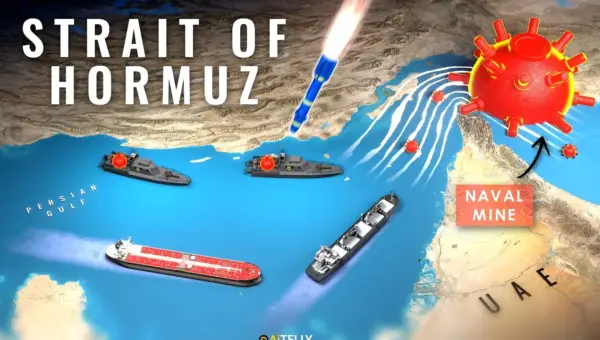
Iran's use of naval mines and fast attack boats in the Strait of Hormuz prompted a decisive US response. The US employed a preemptive strategy, striking mine-laying ships and storage facilities with precision-guided missiles and bombs.
Iran’s Strait of Hormuz Trap: How the US Fights Back
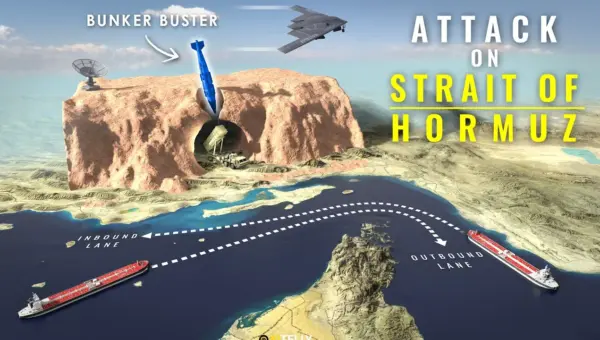
Iran's strategy to control the Strait of Hormuz involves using islands as bases for anti-ship missiles and launching swarm attacks with small boats. The US counters with advanced defense systems, surveillance drones, and powerful bunker-buster bombs, highlighting the ongoing tension in this vital global shipping lane.

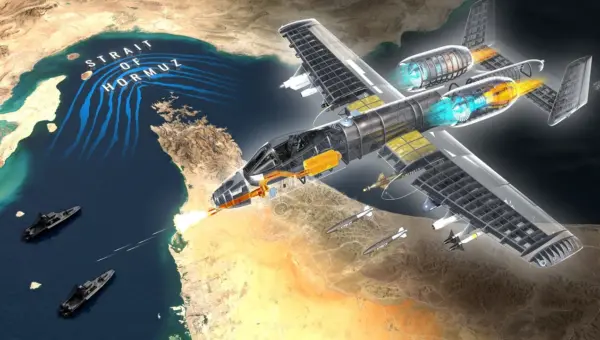
A-10 Warthog Defies Retirement in Hormuz Strait
The U.S. Air Force's plan to retire the A-10 Thunderbolt faces a challenge in the Strait of Hormuz. Its unique design, built for low-and-slow flight and extreme durability, makes it essential for countering small boats and drones in the narrow waterway. The Warthog's ruggedness and specialized firepower prove its continued value.