Trump’s Unhinged Threats Ignite Mideast Firestorm
Donald Trump's recent social media posts and actions have ignited a firestorm in the Middle East, with escalating violence and dire threats. Amidst widespread death and destruction, global markets are in turmoil, and the specter of nuclear escalation looms.


Trump’s Unhinged Threats Ignite Mideast Firestorm
Donald Trump’s recent social media posts have sparked alarm, with language described as “unhinged” and “bloodthirsty.” One post chillingly began, “A whole civilization will die tonight, never to be brought back again.” This rhetoric comes amid escalating violence across the Middle East, with the transcript detailing significant casualties and destruction in Iran, Lebanon, Israel, and Iraq. The United States, under Trump’s direction, conducted strikes on Iran’s Car Island, a move seen as a major escalation. This has plunged global markets into turmoil, particularly oil markets, which can lead to widespread death due to energy shortages.
A Region Ablaze
The situation paints a grim picture of a Middle East on fire, directly linked to Trump’s actions. Overnight strikes resulted in at least 18 civilian deaths in Iran, eight in Lebanon, and multiple deaths in Iraq, including a family. Missiles were also fired towards northern Israel, causing injuries. While a missile launch towards Saudi Arabia was intercepted without harm, the overall impact is a region gripped by conflict. The core issue, as highlighted, is a perceived lack of strategic foresight, with Iran holding significant leverage through its control of the Strait of Hormuz.
“The United States does have a stronger military than Iran, but our president is so effing dumb. He somehow found a way to get us into a position where Iran has ultimate leverage over the United States because they control the straight of Hormuz.”
Iran’s Strategic Play
Iran’s rejection of a temporary ceasefire proposed by Trump is seen as a strategic move. Accepting a ceasefire would have offered Trump a political win and allowed both the U.S. and Israel to rearm for a potential future invasion. Instead, Iran chose to prolong the conflict, aiming to inflict continued pain on the United States. This strategy is amplified by Trump’s increasingly desperate rhetoric, which experts argue only serves to push Iran further into a defensive, more radicalized stance.
Desperation and Dangerous Rhetoric
Trump’s response to being in a perceived corner is to issue threats of war crimes and civilian infrastructure destruction. This is characterized as “desperation just wrapped in bloodthirsty language.” His posts, like the one declaring a “whole civilization will die tonight,” are seen as attempts to find any way out of the conflict, regardless of the human cost. The contradiction in his messaging, from previously claiming to want to free the Iranian people to now threatening their annihilation, raises questions about his genuine intentions.
The Reality on the Ground
Trump’s assumption of “total regime change” in Iran, leading to “smarter, and less radicalized minds,” is challenged by on-the-ground assessments. Reports suggest that those consolidating power in Iran are, in fact, more radical and less inclined to work with the U.S. The very act of threatening genocide against the Iranian population makes peaceful negotiation virtually impossible, pushing the regime into a survival mode where they prioritize prolonging the conflict.
Iran’s Escalating Response
Iran’s response to the escalating U.S. actions has been equally alarming. The Islamic Revolutionary Guard Corps (IRGC) has warned that it has removed all previous considerations regarding restraint. They now threaten to target U.S. and allied infrastructure in ways that could cripple regional oil and gas resources for years. This move has further sent markets into a tailspin, with gas prices expected to spike as oil prices continue their volatile ascent.
The Nuclear Question
Adding to the extreme anxiety, there are reports suggesting fears among Trump’s advisors that he might consider using a nuclear weapon to end the conflict. While the likelihood of such an event is considered low, the mere possibility highlights the extreme desperation and volatility surrounding the situation. The U.S. president holds sole authority for nuclear launches, a power that could theoretically be challenged only if military officials deem the order illegal.
Why This Matters
This situation underscores the profound danger of erratic leadership and inflammatory rhetoric in international relations. The conflict’s escalation, driven by a mix of strategic miscalculation and desperate threats, has immediate and far-reaching consequences. The turmoil in global markets, particularly oil prices, directly impacts economies worldwide and can lead to increased hardship and death for vulnerable populations. The unpredictable nature of the conflict raises fears of a wider, more devastating war, with potentially catastrophic outcomes, including the unthinkable threat of nuclear escalation.
Historical Context and Future Outlook
The current tensions are rooted in a long and complex history between the U.S. and Iran. Decades of political maneuvering, sanctions, and proxy conflicts have created a deeply entrenched animosity. Trump’s approach, characterized by a departure from traditional diplomatic norms, appears to be exacerbating these historical grievances. The future outlook remains uncertain, with both sides seemingly locked in an escalatory spiral. The immediate challenge is de-escalation, but the deep-seated mistrust and the current aggressive posturing make this an incredibly difficult task. The world watches anxiously, hoping that cooler heads will prevail before the situation deteriorates further.
Source: He's doing it… (YouTube)

Related Articles
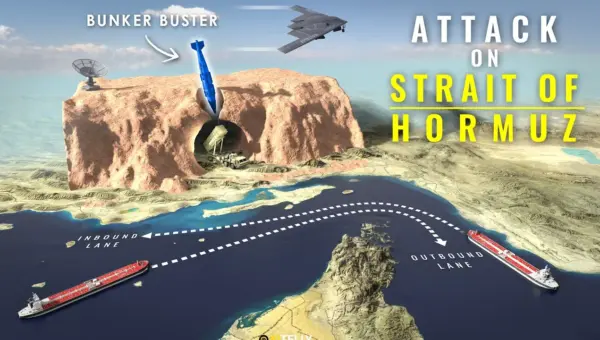
Iran’s Strait of Hormuz Trap: How the US Fights Back
Iran's strategy to control the Strait of Hormuz involves using islands as bases for anti-ship missiles and launching swarm attacks with small boats. The US counters with advanced defense systems, surveillance drones, and powerful bunker-buster bombs, highlighting the ongoing tension in this vital global shipping lane.
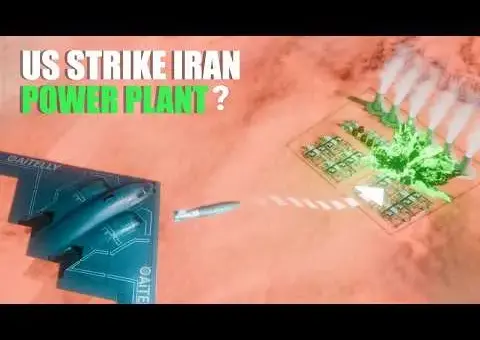
US Aims to Cripple Iran’s Power Grid to Secure Strait of Hormuz
A new US strategy reportedly targets Iran's power grid, including major plants like Damavand, to force open the Strait of Hormuz. The plan involves multi-stage air attacks using advanced bombers and precision munitions to cripple energy infrastructure and cause cascading failures.
Iran’s Cluster Bombs: A Calculated Gamble to Overwhelm Defenses
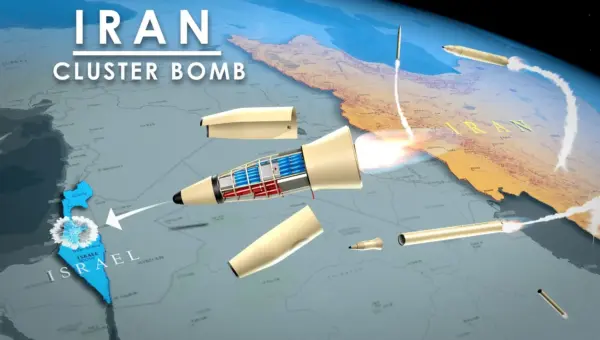
Iran's use of cluster bombs against Israel was a deliberate tactic to overwhelm advanced missile defenses. These weapons scatter numerous smaller explosives, making interception difficult. While tactically advantageous, they raise serious humanitarian concerns due to their indiscriminate nature and unexploded ordnance.