War Claims Ring Hollow Amidst Escalating Conflict
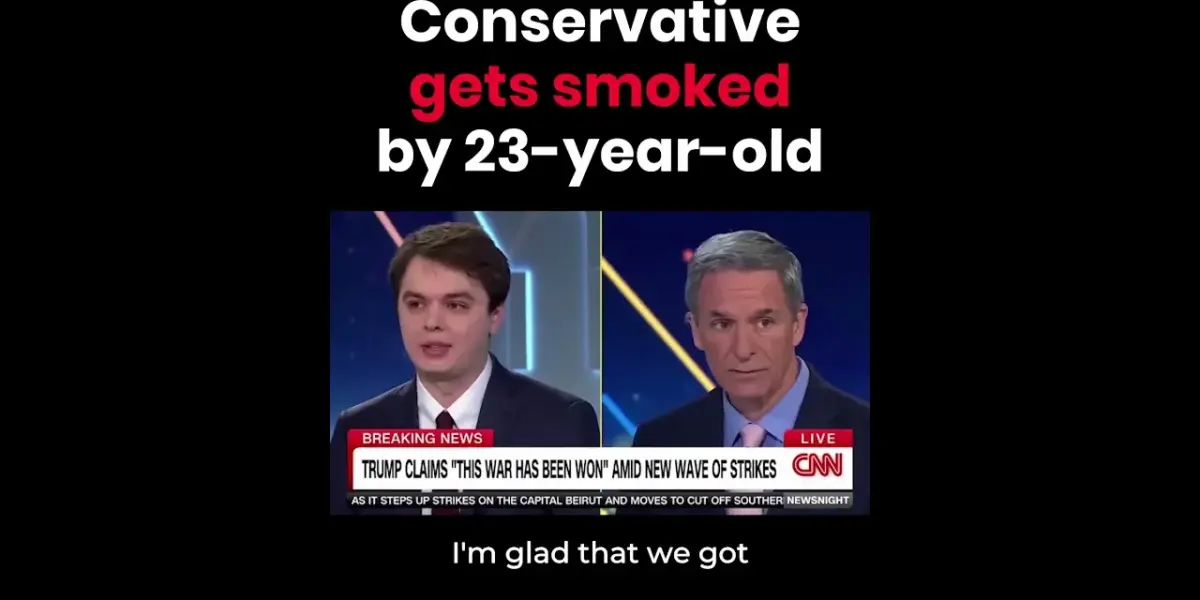
Official claims of swift victory are being challenged by the ongoing conflict and troop deployments. A significant disconnect exists between what leaders say and the reality on the ground, raising concerns about transparency and the true cost of war.

War Claims Ring Hollow Amidst Escalating Conflict
A recent analysis of public statements versus battlefield realities reveals a troubling disconnect. Within the first hour of a major event, officials declared it was over. Yet, bombs continued to fall, and troops moved into the region. This stark contrast leaves many questioning the meaning of such pronouncements.
Conflicting Narratives Emerge
One interpretation suggests that the military’s capabilities have been devastated, a claim that may hold some truth. Leaders have reportedly been targeted, which could influence the conflict’s direction in the coming weeks. However, this optimistic view is challenged by the actual events unfolding on the ground.
The president’s statements often appear to be at odds with the reality of the situation. This disconnect is deeply concerning. Two separate conversations seem to be happening. One is based on daily administration claims: we won, then we are negotiating, then we won again. This is a cycle of repeated, often contradictory, messages.
The Ground Truth Paints a Different Picture
The other conversation is about the actual situation. Thousands of troops are being moved to the Middle East. The country is asking for $200 billion to fund this war. It raises the question: what exactly are we getting for this immense cost and effort?
Furthermore, leadership changes within the affected region have raised further alarms. An 86-year-old leader was replaced by his son, who is significantly younger and reportedly more radical. This new leader is said to be purging moderate voices, suggesting a move towards more extreme policies.
Why This Matters
The gap between official declarations and on-the-ground realities is crucial for understanding the true state of a conflict. When leaders claim victory while troops are still being deployed and significant financial resources are being requested, it breeds confusion and mistrust. This discrepancy can lead to poor decision-making, both for the public and for policymakers.
Understanding these conflicting narratives is vital for informed public discourse. It allows citizens to question official statements and demand clarity on the objectives and outcomes of military actions and financial commitments. Without this critical evaluation, the public is left vulnerable to misinformation.
Historical Context
Throughout history, leaders have sometimes presented overly optimistic or misleading accounts of conflicts. This can be done for various reasons, including maintaining public support, influencing international opinion, or masking strategic failures. The current situation echoes past instances where official narratives diverged sharply from the difficult realities faced by soldiers and civilians.
For example, during the Vietnam War, official reports often downplayed setbacks and exaggerated successes, creating a significant credibility gap. This led to widespread public disillusionment and protests. Understanding this history helps us recognize the patterns of communication during times of war and the importance of scrutinizing official claims.
Implications and Future Outlook
The trend of conflicting narratives suggests a potential erosion of trust in official sources. If the public cannot rely on the information provided by its leaders, it becomes harder to build consensus and support for necessary actions. This can lead to increased polarization and difficulty in achieving long-term stability.
The financial implications are also significant. A war costing billions of dollars requires clear justification and measurable outcomes. Without transparency about what is being achieved, public and political support for continued funding may wane. The focus on radical leadership changes also points to a potentially longer and more complex conflict than initially suggested.
Looking ahead, the challenge will be to bridge this gap between rhetoric and reality. Greater transparency, a commitment to factual reporting, and clear communication about war aims and progress are essential. Otherwise, the cycle of doubt and confusion is likely to continue, making it harder to navigate complex geopolitical situations effectively.
Source: He Had NOTHING To Say… (YouTube)

Related Articles
Iran’s Strait of Hormuz Trap: How the US Fights Back
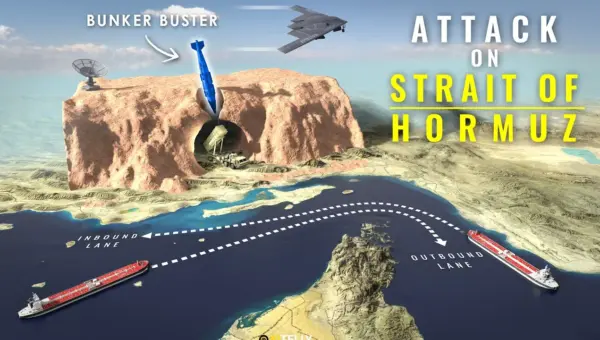
Iran's strategy to control the Strait of Hormuz involves using islands as bases for anti-ship missiles and launching swarm attacks with small boats. The US counters with advanced defense systems, surveillance drones, and powerful bunker-buster bombs, highlighting the ongoing tension in this vital global shipping lane.
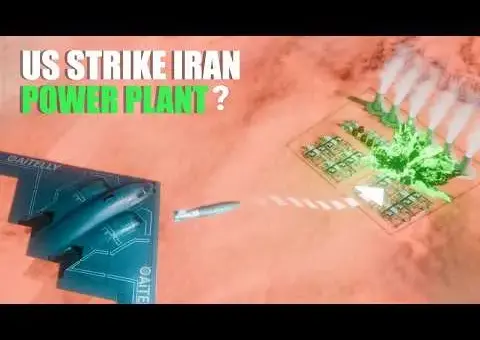
US Aims to Cripple Iran’s Power Grid to Secure Strait of Hormuz
A new US strategy reportedly targets Iran's power grid, including major plants like Damavand, to force open the Strait of Hormuz. The plan involves multi-stage air attacks using advanced bombers and precision munitions to cripple energy infrastructure and cause cascading failures.

Trump’s Iran Ultimatum: Civilization on the Brink?
President Trump issued a dire warning to Iran with a Tuesday deadline for a deal, fearing "a whole civilization will die." U.S. strikes on Kharg Island occurred, but officials state U.S. strategy remains unchanged. This escalation highlights ongoing tensions and their global implications.