Iran Crisis Sparks Global Economic Shocks, Expert Warns
Economist Mohamed El-Erian warns that the Iran crisis is triggering a multi-phase economic shockwave across the globe. He explains how rising energy prices, inflation, and potential demand destruction are impacting nations, with Asia and Europe facing the brunt. El-Erian also points to a broader trend of increased global instability and weakened rule of law as drivers of these violent economic events.

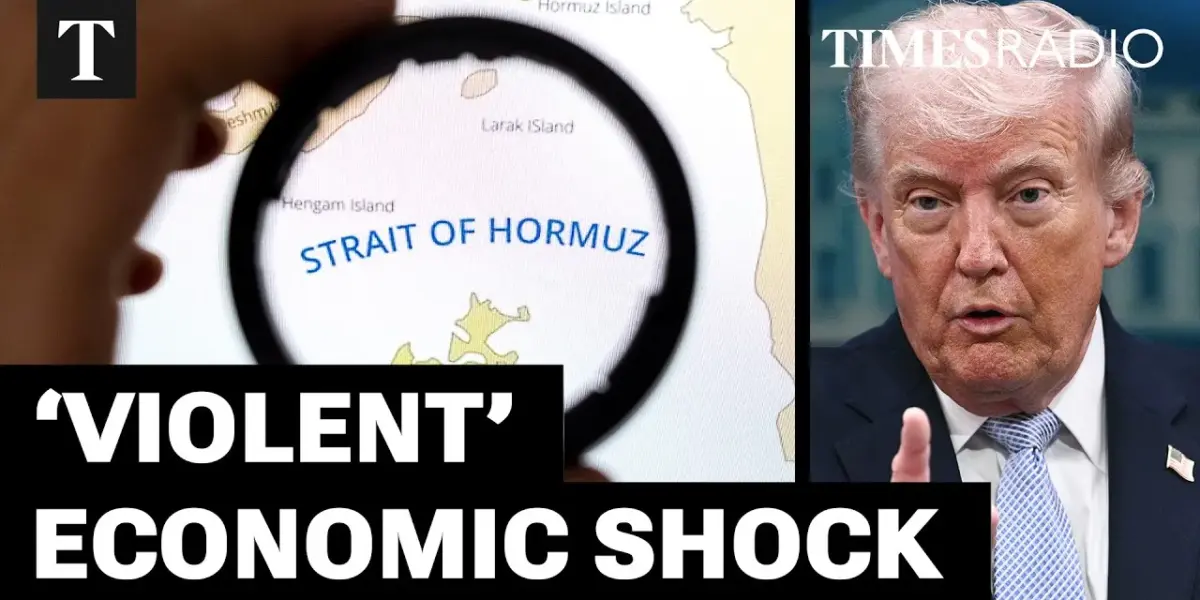
Global Economy Faces Violent Shocks Amid Iran Crisis
The world is experiencing increasingly severe and unpredictable economic shocks, largely driven by a breakdown in global cooperation and a rise in impunity, according to chief economic adviser at Alians, Mohamed El-Erian. Speaking on the escalating crisis involving Iran, El-Erian explained how the conflict, particularly threats to the Strait of Hormuz, is creating a ripple effect across the global economy, impacting everything from energy prices to economic growth.
Four Phases of Economic Disruption
El-Erian outlined a four-phase model for how such conflicts disrupt economies:
- Phase One: Initial price shocks, particularly in energy, and rising interest rates. This was felt within the first two weeks of the conflict.
- Phase Two: The price shock broadens, leading to wider inflation. This is the stage many economies are currently experiencing.
- Phase Three: Demand destruction occurs as consumers can no longer afford goods and governments try to curb spending. This leads to declining economic activity and rising unemployment. Some countries are already entering this phase.
- Phase Four: Financial instability emerges alongside economic damage, further hindering growth and well-being. El-Erian expressed hope that the world would avoid this stage.
Asia and Europe Most Vulnerable
Asia is identified as the region most severely affected due to its low energy independence. Nations there are already reducing consumption and facing both higher prices and significantly lower economic growth. While the UK and the European Union are currently in phases one and two, El-Erian warned that continued disruptions could push them into phase three within weeks. Ironically, the United States, due to its energy independence, is better positioned to weather these storms longer than Europe.
Impact on the UK Economy
The conflict has significantly altered the economic outlook for the UK. Just months ago, inflation was falling towards the Bank of England’s target, and the government had fiscal flexibility. Now, even if the Strait of Hormuz reopens, long-term damage to infrastructure means inflation is likely to remain higher, interest rates will stay elevated, and the government’s financial room to maneuver is reduced.
Trump’s Threats and Escalation Risks
El-Erian highlighted the dangerous potential of President Trump’s threats to attack Iranian infrastructure. Such actions could provoke retaliation from Iran, leading to deeper and more prolonged disruptions. Unlike a light switch, recovery from such damage would not be immediate, potentially taking years. The stability of Iran after the conflict also remains a significant question mark, posing further risks to regional and global economies.
“We’ve lost unifying themes. We’ve lost the rule of law. Impunity has become… the flavor of the year.”
Complex Factors Hindering Conflict Resolution
Several factors make a swift resolution to the conflict unlikely. El-Erian pointed to differing objectives among the main parties – Iran, Israel, and the US – and a shared belief among them that they are currently winning. The US, despite being the most influential party, lacks the power to impose outcomes on everyone. Furthermore, the asymmetrical nature of the war suggests it could last a long time. Without a change in these conditions, escalation remains the more probable path.
Broader Implications: A World of Shocks
Beyond the immediate crisis, El-Erian stressed a larger, more concerning trend: the world is living in an era of more frequent and violent shocks. The erosion of unifying global themes and the rule of law, coupled with widespread impunity, has weakened the checks and balances that once guided national behavior. This environment makes the global economy more susceptible to unforeseen and impactful events. The conflict also highlights the critical importance of economic choke points and the vulnerability of global trade when they are threatened.
Regional Dynamics and Unheeded Warnings
The article also touches on the perspective of Gulf leaders, whose concerns and calls for negotiation were reportedly ignored by President Trump. These leaders had urged against further conflict and even facilitated negotiations. Instead, Trump appeared to prioritize the advice of Israeli Prime Minister Benjamin Netanyahu, contributing to the current escalation.
Looking Ahead
The coming weeks will be crucial in determining whether the current economic disruptions escalate further or begin to stabilize. The world will be watching closely to see if diplomatic efforts can overcome the complex geopolitical factors at play and if the global community can find ways to rebuild the lost checks and balances that help prevent such violent economic shocks.
Source: Iran Crisis: Decline In Checks And Balances Causing ‘Violent’ Economic Shocks | Mohamed El-Erian (YouTube)

Related Articles
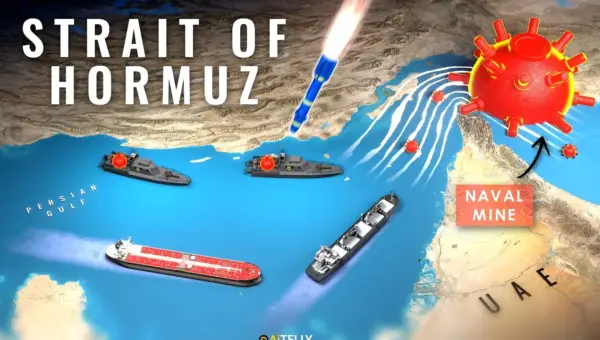
US Strikes Iran’s ‘Mosquito Fleet’ to Secure Oil Lanes
Iran's use of naval mines and fast attack boats in the Strait of Hormuz prompted a decisive US response. The US employed a preemptive strategy, striking mine-laying ships and storage facilities with precision-guided missiles and bombs.
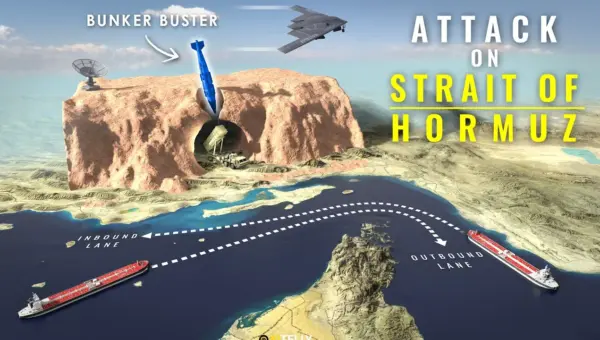
Iran’s Strait of Hormuz Trap: How the US Fights Back
Iran's strategy to control the Strait of Hormuz involves using islands as bases for anti-ship missiles and launching swarm attacks with small boats. The US counters with advanced defense systems, surveillance drones, and powerful bunker-buster bombs, highlighting the ongoing tension in this vital global shipping lane.
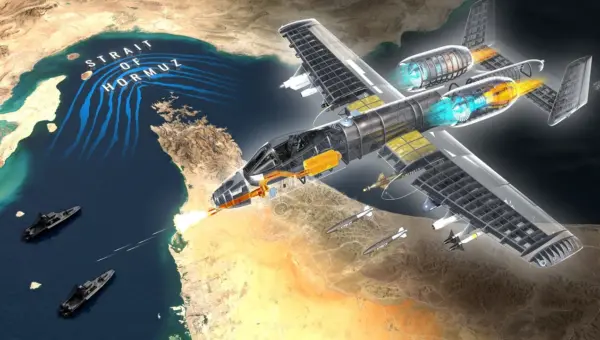
A-10 Warthog Defies Retirement in Hormuz Strait
The U.S. Air Force's plan to retire the A-10 Thunderbolt faces a challenge in the Strait of Hormuz. Its unique design, built for low-and-slow flight and extreme durability, makes it essential for countering small boats and drones in the narrow waterway. The Warthog's ruggedness and specialized firepower prove its continued value.