Global Allies Reject US War Plans, Shun Trump’s Aggression
Key global allies are rejecting U.S. requests to use their bases and airspace for potential military actions against Iran, citing concerns over war crimes. This widespread defiance signals a major shift in international relations and a potential weakening of traditional alliances like NATO.

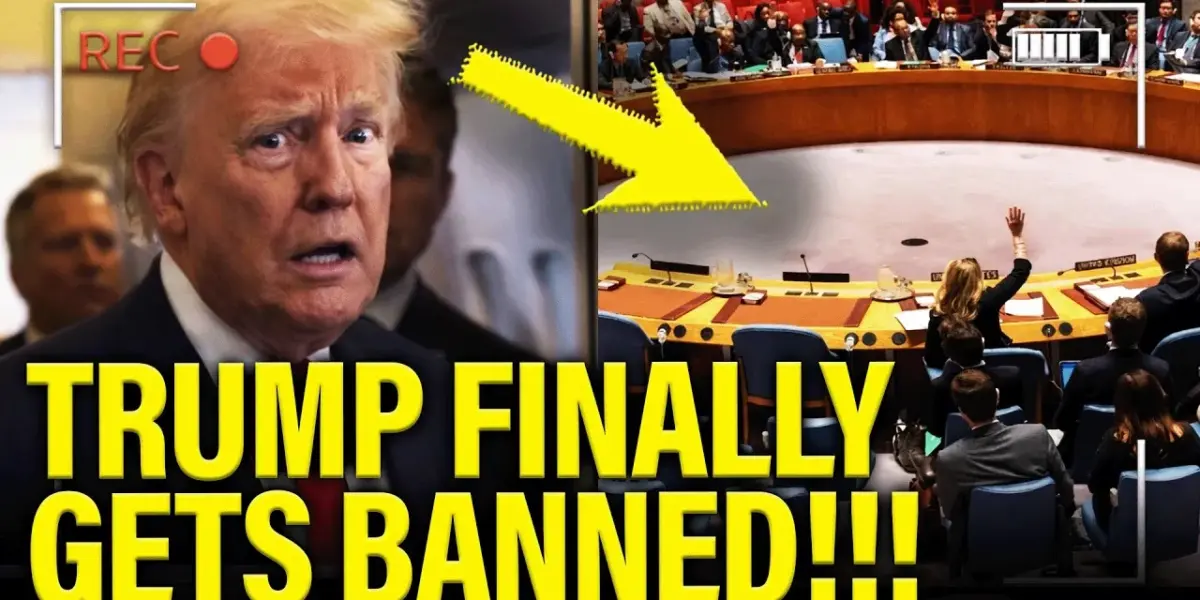
Global Allies Reject US War Plans, Shun Trump’s Aggression
In a stunning display of international defiance, key allies are refusing to support potential U.S. military actions against Iran. This widespread rejection signals a significant shift in global alliances and a growing weariness with aggressive foreign policy. Countries like the United Kingdom, France, Austria, Spain, and Italy are drawing a line, denying the U.S. access to their air bases and airspace for missions targeting Iran. These nations cite serious concerns that such strikes could result in civilian harm and constitute war crimes.
A New Stance on ‘War Crimes’
The United Kingdom’s decision is particularly noteworthy. Senior officials confirmed that the U.S. cannot use bases like Royal Air Force Fairford and Diego Garcia for operations against Iran. These bases have previously been used for long-range bomber missions. The refusal comes as former President Donald Trump reportedly vowed to “rain down hell” on Iran, targeting power plants and bridges, and aiming to destroy Iranian civilization. European nations are making it clear they will not be complicit in what they view as unlawful aggression.
The message from Europe is clear: “We’re done appeasing you. We’re done. We’re done.”
NATO’s Shifting Sands
This international pushback has led to questions about the future of NATO and other long-standing alliances. Some observers suggest that NATO now exists “in name only,” with the European Union also expressing frustration. The sentiment in Europe appears to be shifting from appeasement to a firm stance, with many believing it is time for the U.S. to either commit to the alliance or withdraw.
Statements from figures like Marco Rubio have highlighted this tension. Rubio, who previously supported NATO due to the strategic advantages of basing rights, now questions the alliance’s value if European allies deny U.S. basing needs. This suggests a potential re-evaluation of U.S. commitments if mutual support is not guaranteed.
Economic Signals: Gold and Treasuries
Beyond military cooperation, economic actions also signal a growing distrust. France recently repatriated its gold reserves stored in New York, selling them and buying equivalent gold in Europe. This move, which resulted in a significant gain due to gold prices, suggests a desire to move assets out of U.S. control. Some analysts speculate that this action might also indicate a lack of confidence in the physical presence of these reserves in the U.S.
This trend could extend to U.S. Treasury bonds. There are warnings of potential dumping of these bonds, which could lead to weak Treasury bond auctions. The world may be signaling that the United States is no longer seen as a stable place for global economic assets.
Geopolitical Maneuvering and Election Interference
The current geopolitical climate is further complicated by concerns over election interference. JD Vance’s trip to Hungary to meet with Viktor Orban, a leader often described as pro-Kremlin, raises eyebrows. Orban faces an upcoming election against a pro-democracy party, and there are accusations that he, along with Russian and Trump-aligned forces, are attempting to create “false flags” to justify authoritarian measures and potentially cancel the election.
Reports indicate that Orban has falsely accused Ukraine of sabotaging Serbia’s gas pipelines to harm Hungary. However, Serbian officials have officially denied Ukraine’s involvement, stating the bombs were American-made and the suspect was from a migrant group. This situation highlights a pattern of alleged disinformation aimed at manipulating political outcomes.
Iran’s Response and Regional Tensions
Meanwhile, Iran is actively responding to perceived threats. The country has stated its intention to target facilities in Saudi Arabia, with reports of fires at petrochemical plants in the industrial city of Jubail following Iranian military and missile attacks. The King Fahd Causeway, a vital link between Saudi Arabia and Bahrain, has also faced disruptions due to Iranian air raid threats.
Even Qatar’s attempt to send LNG tankers through the Strait of Hormuz was reportedly halted by Iran. During a call with Qatar’s foreign minister, Iran’s foreign minister blamed U.S. and Israeli aggression for the crisis, warning regional states against allowing their territories to be used for attacks. While Qatar condemned Iran’s actions as a threat to stability, Iran remains determined to defend its sovereignty, viewing U.S.-Israeli strikes as war crimes.
Historical Parallels and Future Outlook
The rhetoric used by some leaders, including comparisons to Hitler by Turkish President Erdogan, underscores the gravity of the current international situation. Erdogan warned against actions taken solely to extend political lifespans, drawing parallels to historical figures who brought suffering upon themselves and the world.
The events of the past few days demonstrate a world grappling with shifting power dynamics. Allies are no longer passively accepting U.S. directives, especially when those directives are perceived as leading to potential war crimes. The rejection of U.S. military basing rights and airspace access, coupled with economic actions like gold repatriation, signals a significant erosion of trust. The future outlook suggests a more fragmented international order, where alliances will be tested and potentially reshaped based on mutual respect and a shared commitment to international law.
Why This Matters
This situation is crucial because it represents a potential turning point in international relations. For decades, the U.S. has relied on a network of alliances and global basing to project power. If these foundational elements begin to crumble due to disagreements over military actions and perceived war crimes, it could fundamentally alter the global balance of power.
The refusal of allies to participate in or facilitate actions deemed illegal by international standards sends a powerful message. It suggests that the era of unquestioned U.S. military leadership may be drawing to a close. Furthermore, the economic signals, such as France moving its gold reserves, hint at a broader trend of de-dollarization and a search for greater economic autonomy among nations wary of U.S. policy. The implications for global stability, trade, and security are profound, suggesting a more complex and potentially less predictable international landscape ahead.
Source: FURIOUS World Leaders FINALLY BAN Trump over WAR CRIMES!!!! (YouTube)

Related Articles
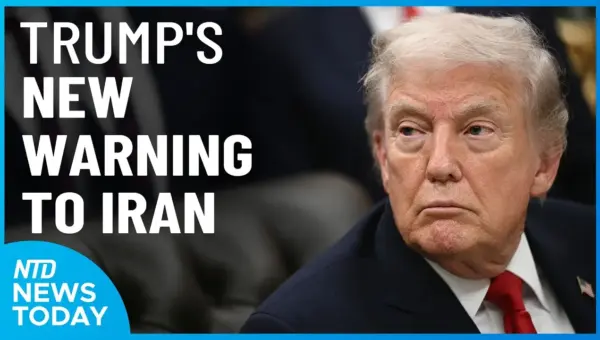
Trump’s Iran Ultimatum: Civilization on the Brink?
President Trump issued a dire warning to Iran with a Tuesday deadline for a deal, fearing "a whole civilization will die." U.S. strikes on Kharg Island occurred, but officials state U.S. strategy remains unchanged. This escalation highlights ongoing tensions and their global implications.
Iran and US Trade Blows as Tensions Spike
The U.S. and Iran are engaged in a dangerous exchange of strikes, with a critical deadline set by President Trump looming over the Strait of Hormuz. Both nations, along with Israel, are escalating military actions, while diplomatic channels remain open but strained.
Trump’s Iran Threats Spark War Crimes Fears
Former President Donald Trump's extreme threats against Iran have led to a communication blackout and fears of war crimes. Iran has warned of severe regional retaliation if attacked, while international figures call for Trump's removal from office.