Iran War Fuels Beef Price Surge for Americans
A conflict in Iran is driving up the cost of beef in the United States, with prices more than doubling. Farmers are struggling with rising fuel, fertilizer, and feed costs, which are passed on to consumers. This situation highlights the fragility of global supply chains.

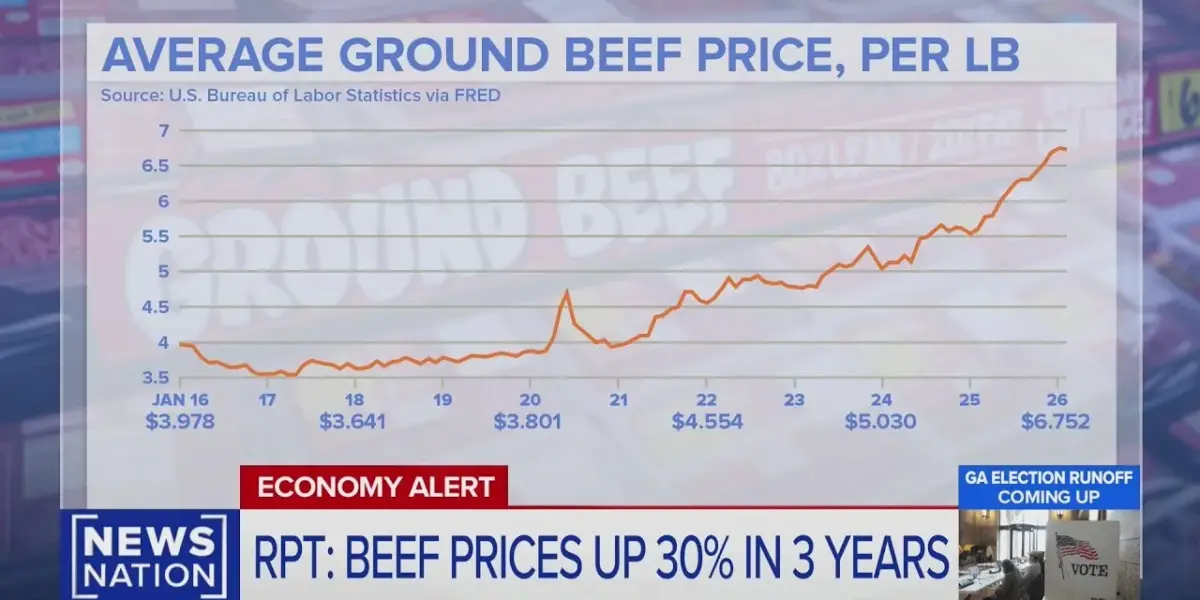
Iran War Sparks U.S. Beef Price Crisis
A conflict in Iran is causing major problems for American families, especially when they buy groceries. The war has made the cost of everyday items go up, and now the price of beef has more than doubled. This is a big problem for farmers and ranchers who were already facing tough times. The war has made everything more expensive, from fuel to fertilizer.
Farmers Struggle with Rising Costs
Farmers and ranchers who grow and raise America’s food were already having a hard time before the war started. The recent conflict has made things much worse for them. The price of beef, in particular, has shot up. The Bureau of Labor Statistics reported that beef prices rose over 22% just in the last year.
Why Beef Prices Are Soaring
Several things are causing beef prices to climb. One major reason is that there are fewer cattle in herds now. This means less beef is available. Also, the rising cost of fuel is a big factor. Farmers have to pay more to transport their goods. This extra cost is passed on to stores and then to shoppers.
Fuel and Feed Drive Up Expenses
The cost of fertilizer, which farmers use to grow crops, has gone up. The price of livestock feed, what the animals eat, has also increased. All these higher expenses mean that when you go to the grocery store, you end up paying more for the food you buy. This affects everything from the farm to your table.
Transportation Costs Hit Consumers
Getting food from where it’s made to where it’s sold involves a lot of transportation. Trucks carry products from factories and farms to local stores. When the cost of fuel for these trucks goes up, the price of everything those trucks carry also goes up. Beef has to be moved from ranches to processing plants and then to stores. All this movement uses diesel fuel, which is now much more expensive.
Beyond Fuel: Other Hidden Costs
Higher labor costs and extra fees are also adding to the problem. These costs, which nobody can control, all add up. Forbes reports that these combined expenses are why Americans are paying more for simple things like beef when they go shopping.
Global Impact: Strait of Hormuz and Supply Chains
While the transcript doesn’t explicitly mention the Strait of Hormuz, a potential blockage there would severely disrupt global oil and trade routes. This region is critical for shipping about 30% of the world’s seaborne oil. If this vital waterway were closed due to conflict, oil prices would likely skyrocket. This would immediately increase the cost of fuel worldwide, affecting transportation for all goods, including food. The war in Iran, even if not directly blocking the strait, creates instability that raises these risks. This instability makes shipping companies more cautious, potentially increasing insurance costs and transit times, further driving up prices for consumers.
Why This Reshapes the World Order
This situation shows how interconnected the world is. A conflict in one region can directly impact the wallets of people thousands of miles away. It highlights the fragility of global supply chains, which are the systems that move goods around the world. When these chains are broken or become too expensive, it can lead to inflation – a general rise in prices. This can cause economic hardship for families and put pressure on governments to find solutions. It also forces countries to think about where their food and energy come from and if those sources are secure. This might lead to more focus on domestic production or finding new, more reliable trading partners.
Historical Context: Oil Shocks and Food Prices
History shows that disruptions to energy supplies often lead to price spikes in many areas. The oil crises of the 1970s, caused by actions from oil-producing nations, led to widespread economic problems, including higher food costs. This was because fuel is essential for farming, transportation, and food processing. The current situation echoes those past events, demonstrating that reliance on global energy markets and stable shipping routes is crucial for economic stability. Past conflicts and trade disputes have also shown how quickly prices can change when international relations sour.
Economic Leverage and Future Scenarios
The rising cost of fuel and fertilizer gives certain countries and companies economic leverage. For example, oil-producing nations might benefit from higher prices, while importing nations struggle. Sanctions, if imposed on Iran, could further disrupt trade and increase global energy costs. Looking ahead, several scenarios are possible. Prices could stabilize if the conflict de-escalates and supply chains recover. However, if the conflict widens or shipping routes are seriously threatened, prices could continue to rise, leading to significant economic challenges for consumers globally. Another possibility is that countries may invest more in domestic resources and alternative energy sources to reduce their dependence on volatile international markets.
Source: Beef surcharge? Strait of Hormuz blockage raises protein prices | Morning in America (YouTube)

Related Articles
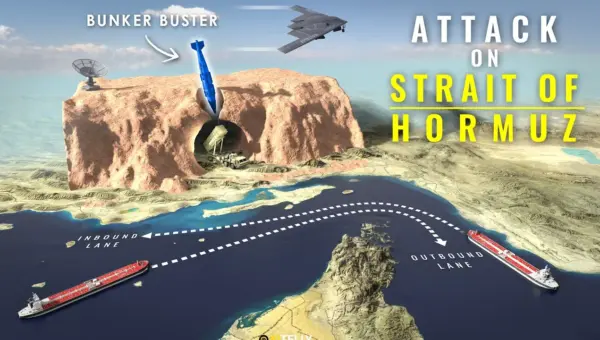
Iran’s Strait of Hormuz Trap: How the US Fights Back
Iran's strategy to control the Strait of Hormuz involves using islands as bases for anti-ship missiles and launching swarm attacks with small boats. The US counters with advanced defense systems, surveillance drones, and powerful bunker-buster bombs, highlighting the ongoing tension in this vital global shipping lane.
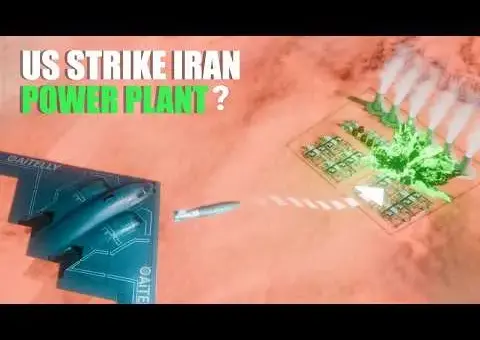
US Aims to Cripple Iran’s Power Grid to Secure Strait of Hormuz
A new US strategy reportedly targets Iran's power grid, including major plants like Damavand, to force open the Strait of Hormuz. The plan involves multi-stage air attacks using advanced bombers and precision munitions to cripple energy infrastructure and cause cascading failures.

Trump’s Iran Ultimatum: Civilization on the Brink?
President Trump issued a dire warning to Iran with a Tuesday deadline for a deal, fearing "a whole civilization will die." U.S. strikes on Kharg Island occurred, but officials state U.S. strategy remains unchanged. This escalation highlights ongoing tensions and their global implications.