Kia EV9 vs. Rivals: The Family EV Showdown!
The Kia EV9 faces tough competition from the Hyundai Ioniq 9, Polestar 3, and Volvo EX90. We compare their design, range, performance, interior, driving feel, and practicality to see which family electric SUV comes out on top.

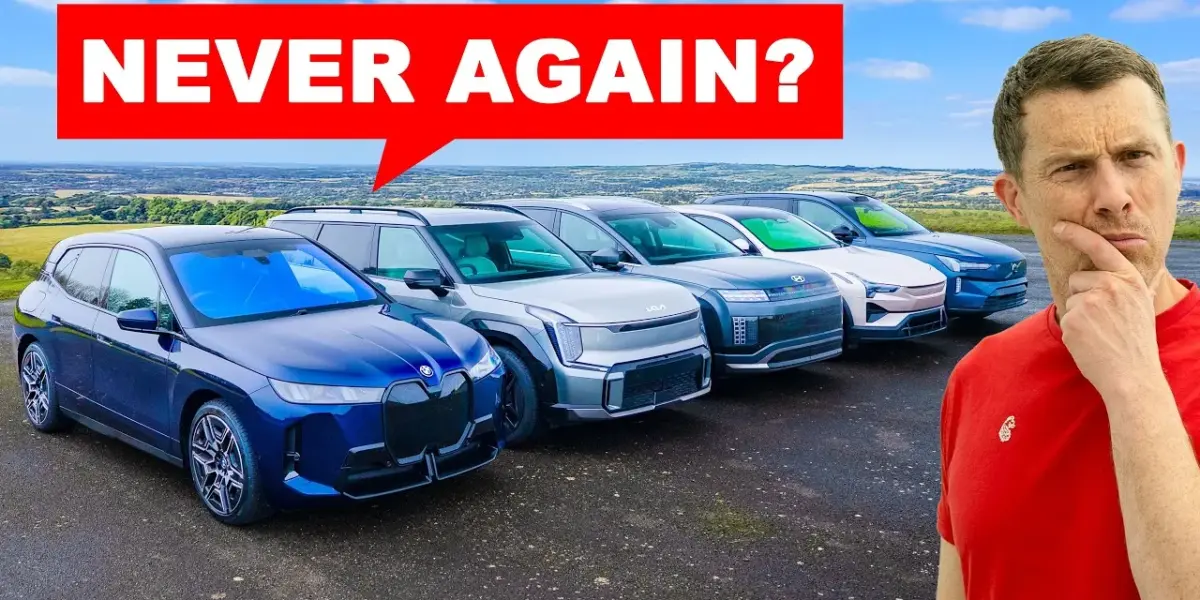
Kia EV9 Takes on the Electric SUV Elite: Does it Still Reign Supreme?
When the Kia EV9 first arrived, it made a huge splash. We thought it was brilliant and recommended it highly. But as new rivals like the Hyundai Ioniq 9, Polestar 3, and Volvo EX90 have entered the arena, has the EV9 lost its crown? We put these electric family haulers head-to-head to find out.
Design: Future Shock or Familiar Face?
Even with big family SUVs, looks matter. You’re spending a lot of money, so you want a car that appeals to your eyes. Here’s how these electric giants stack up in the style department, from least to most preferred:
- BMW iX: While the rear gets a pass, the rest of the iX’s design feels awkward and uninspired. It just doesn’t quite hit the mark.
- Volvo EX90: It’s not ugly, but the EX90 is undeniably a bit boring. It’s like a stretched-out version of the smaller, more stylish EX30, and it just doesn’t work as well.
- Polestar 3: This one stands out with a unique look, like a jacked-up sporty coupe. The front is interesting, though the rear gets a little too complicated. Overall, it’s a bold statement.
- Hyundai Ioniq 9: This might surprise you, but the Ioniq 9, despite looking a bit like a puffed-up Volvo estate to some, has a futuristic charm. The lights and front end are brilliant, giving it a strong, modern look.
- Kia EV9: The undisputed design winner. The EV9 looks like something straight out of a sci-fi movie. It’s a futuristic take on a practical seven-seater, making the BMW iX look dated by comparison.
Real-World Range: How Far Can They Really Go?
For electric cars, range is crucial. While all these SUVs offer decent claimed ranges, the real-world numbers paint a different picture. We’ve calculated the expected range based on real-world energy consumption:
- Kia EV9: Claimed 313 miles, calculated real-world range of 202 miles.
- BMW iX: Claimed 403 miles, calculated real-world range of 251 miles.
- Volvo EX90: Claimed 375 miles, calculated real-world range of 255 miles.
- Hyundai Ioniq 9: Claimed 372 miles, calculated real-world range of 276 miles.
- Polestar 3: Claimed 438 miles, calculated real-world range of 317 miles.
It’s worth noting that these numbers might be on the conservative side, as journalists often drive these cars harder. One Polestar 3 test achieved 390 miles in summer conditions.
Performance: Quick Off the Line?
Let’s see how these electric giants perform when the lights go out. We tested 0-60 mph and quarter-mile times.
- Polestar 3 (300 hp): 0-60 mph in 7.2 seconds, quarter-mile in 15.6 seconds.
- Volvo EX90 (408 hp): 0-60 mph in 5.6 seconds, quarter-mile in 14.3 seconds.
- Hyundai Ioniq 9 (427 hp): 0-60 mph in 5.0 seconds, quarter-mile in 13.7 seconds.
- Kia EV9 (385 hp): 0-60 mph in 4.9 seconds, quarter-mile in 13.7 seconds.
- BMW iX (544 hp): 0-60 mph in 4.4 seconds, quarter-mile in 12.7 seconds.
The BMW iX, with its impressive 544 horsepower, clearly leads the pack in acceleration. However, the Kia EV9 and Hyundai Ioniq 9 offer strong performance for their class.
Interior: Posh or Plain?
When you’re spending this much, the cabin experience is paramount. We looked at materials, technology, and overall feel.
- Kia EV9: A simple, cool layout with good storage. The infotainment is okay, but can be confusing. Physical climate buttons are a plus, though lower plastics feel a bit cheap. The dual sunroof is nice, but the front blind is manual.
- Hyundai Ioniq 9: Similar quality to the Kia, with a nicer curved screen. Climate controls are more detailed. The gear selector feel isn’t great, but it has a full-length, electrically operated sunroof.
- Polestar 3: Interior quality is a step up, and the infotainment is easier to use. However, almost everything, including mirrors and steering wheel, is controlled via the screen, which can be annoying. Seats and steering wheel feel premium, but the cabin can feel a bit claustrophobic with a smaller view out.
- BMW iX: Futuristic design and a great sense of space create an airy feel. Materials are lovely in places, but cheap plastics on the doors and a chunky steering wheel let it down. The infotainment is confusing, and climate controls are screen-based. A particularly cheap-feeling gear selector is a major disappointment.
- Volvo EX90: Shares many premium touches with the Polestar, like expensive-feeling stalks. It balances minimalism with tech well. The Google-based infotainment can be fiddly with climate controls, but generally easy to use. Materials are lovely, especially the gorgeous white wood trim. It feels airy with a great forward view and incredibly comfortable seats, especially with the optional wool fabric.
Driving Dynamics: Comfort vs. Sportiness
How do these family haulers handle the road?
- Kia EV9: Surprisingly sporty in Sport mode, with tight steering and playful handling. It’s comfortable and quiet for cruising, but the brakes are grabby and inconsistent, which can be annoying.
- Hyundai Ioniq 9: Focused on comfort, it’s softer and quieter than the Kia. Steering is vaguer, and it leans more in corners. However, it surprisingly grips better and has smoother, more progressive brakes than the Kia.
- Volvo EX90: Prioritizes comfort with very compliant air suspension, making it the comfiest over bumps. It’s also very quiet. However, it feels heavy and vague to drive when pushed. A significant issue is a delay in acceleration when not in constant all-wheel drive, which could be dangerous when pulling out into traffic.
- Polestar 3: Lighter and sportier than the Volvo, with direct and responsive steering. It feels agile and planted, less like an SUV and more like a raised hatchback. The firmer suspension is comfortable, and it’s a joy to drive quickly.
- BMW iX: Offers extreme agility and the ability to slide around corners, making it fun for journalists. However, on the road, the steering is vague, and the brakes are inconsistent. While slightly comfier and quieter than the Polestar, it lacks the Polestar’s sharp, engaging feel.
Driving Verdict: The Polestar 3 and BMW iX offer the most engaging drives. The Polestar edges out the BMW with its sharper steering and more consistent feel. The Volvo EX90 is the comfort king, while the Hyundai Ioniq 9 offers a slightly softer ride than the surprisingly sporty Kia EV9. The Kia’s brakes are a notable weak point.
Practicality: Space for the Whole Family (and Luggage!)
For family SUVs, passenger and cargo space are vital.
Second Row Comfort:
- Polestar 3: Spacious with good knee and headroom, but the low seating position offers limited thigh support, and shallow windows make it feel dark. Three across is tight.
- BMW iX: Spacious enough, though knee room is less than the Polestar. Headroom is better, and the larger rear windows are a plus for kids. The upright backrest is less comfortable. Three across is manageable, better than the Polestar.
- Volvo EX90: Seats are super comfy and positioned higher, offering good support. Large windows, sliding and reclining seats (individually adjustable middle seat) are excellent. Three across is okay, better than the Polestar but perhaps not as good as the BMW.
- Kia EV9: Seats are high and comfortable, with sliding and reclining capabilities (more recline than Volvo). More knee and headroom than Volvo, with large windows. However, the middle seat can’t be adjusted individually. Three across is slightly better than the Volvo, with more shoulder room and a more comfortable middle seat.
- Hyundai Ioniq 9: With just two seats in the middle row (a three-seater bench is optional), it offers exceptional room. The slightly longer wheelbase compared to the Kia means even more space. It boasts the same sliding and reclining features, creating an incredibly roomy and comfortable environment.
Third Row Space:
- Volvo EX90: The tightest of the bunch. Limited knee and foot space, making it feel cramped.
- Kia EV9: Significantly roomier than the Volvo, with better knee room and considerably more headroom. You can travel comfortably over longer distances.
- Hyundai Ioniq 9: Just a smidge bigger than the Kia, offering a bit more perceived spaciousness. Both the Kia and Hyundai are impressive in the third row, allowing you to fit your feet under the seats in front.
Note: The Polestar 3 and BMW iX are only five-seaters and are excluded from third-row comparisons.
Boot Space:
- With all seats up (7-seater mode):
- Volvo EX90: 324 liters. Fits 7 carry-on suitcases.
- Kia EV9: 333 liters. Fits 7 carry-on suitcases.
- Hyundai Ioniq 9: 338 liters. Fits 8 carry-on suitcases.
- With seats down (5-seater mode):
- Polestar 3: 484 liters. Fits 7 suitcases under the load cover.
- BMW iX: 500 liters. Fits 8 suitcases.
- Volvo EX90: 697 liters. Fits 12 suitcases.
- Kia EV9: 828 liters. Fits a significant number of suitcases, though the shape is a bit awkward.
Value and Verdict: Which Electric SUV Wins?
The choice among these premium electric SUVs is tough. While the BMW iX offers blistering performance and a futuristic interior, its inconsistent controls and disappointing materials let it down. The Volvo EX90 excels in comfort and quietness but suffers from sluggish acceleration and a less engaging drive. The Polestar 3 strikes a great balance with its sporty handling and premium interior, but its slightly cramped feel and screen-heavy controls are drawbacks.
The Hyundai Ioniq 9 and Kia EV9, sharing much of their underpinnings, offer compelling practicality and strong value. The Ioniq 9 leans towards comfort and offers exceptional second-row space, while the EV9 adds a surprisingly sporty edge and excellent third-row and cargo capacity.
The winner? For its blend of futuristic design, surprisingly engaging driving dynamics, excellent practicality, and strong value proposition, the Kia EV9 still holds its own. While not perfect – particularly its brakes and real-world range – it offers the most well-rounded package for families looking for a premium electric SUV experience. The Hyundai Ioniq 9 is a very close second, especially if ultimate second-row comfort is the priority.
Source: Why I WON’T recommend these cars anymore… (YouTube)

Related Articles


Scout’s Range Extender: A Hybrid Solution for High Gas Prices?
With gas prices soaring, the upcoming Scout SUV featuring a range extender could be the perfect solution for drivers seeking flexibility. This innovative hybrid system combines electric power with a gasoline generator, offering both efficiency and extended travel capability without range anxiety.

Porsche Cayenne Electric: The Ultimate EV SUV Arrives
The all-electric Porsche Cayenne has arrived, and it's a game-changer. Blending blistering performance, advanced EV technology, and signature Porsche driving dynamics, this luxury SUV sets a new standard. With up to 1,200 hp and 400 kW charging, it's as practical as it is exhilarating.


Porsche Cayenne EV Crushes Rivals in Speed Showdown
The new all-electric Porsche Cayenne Turbo Electric has proven to be the fastest SUV in its lineup, out-accelerating its hybrid and gasoline siblings. In a head-to-head challenge with actor Orlando Bloom, the EV delivered stunning performance figures, solidifying its place as a speed demon.