Democrats Struggle to Connect on Core Issues
The Democratic Party faces a critical challenge in connecting with voters, appearing stuck on "woke" issues while economic anxieties rise. Analysts debate whether a shift back to core economic messages is needed to regain broad appeal and counter Republican strategies.

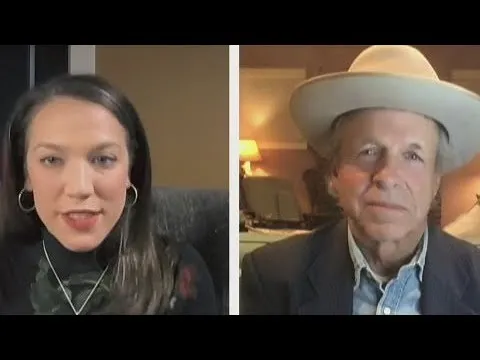
Democrats Face Messaging Crisis Amidst Shifting Voter Priorities
The Democratic Party is grappling with a significant communication challenge, appearing out of step with voter concerns as the 2024 election cycle approaches. Recent trends show a decline in public favorability compared to previous years, raising questions about the party’s strategy and message. This analysis explores the disconnect between the Democratic Party’s current focus and the economic anxieties driving voters.
“Woke” Politics Alienating Voters?
A central critique is that the Democratic Party remains too focused on identity politics, often referred to as “woke” issues. Critics argue this approach, which dominated the conversation in 2020, is no longer resonating with a broad base of voters. Instead, it appears to be alienating potential supporters and creating openings for Republican opponents.
This focus on social issues is seen by some as a distraction from more pressing economic concerns. While Democrats frame Donald Trump as an existential threat to the republic, this message may not be enough to win over voters worried about their financial futures. The party’s reluctance to move away from certain social stances is perceived by some as a lack of political flexibility.
Economic Anxiety Dominates Voter Concerns
The historical axiom “It’s the economy, stupid” appears to be as relevant as ever. Many analysts believe that the core of voter concern lies in economic issues like affordability and cost of living. Voters are increasingly feeling the pinch of inflation and economic uncertainty, making these issues paramount.
Examples from recent elections, such as the Virginia gubernatorial race, highlight this point. A candidate who ran on affordability was perceived to have lost ground when the state legislature prioritized progressive social issues over economic relief. This suggests a disconnect between the party’s stated priorities and what voters are experiencing daily.
The Appeal of Authenticity and Core Messages
Some strategists argue that authenticity is key, but it must be coupled with a clear and resonant message. Politicians who genuinely believe in their causes and can communicate them effectively may find success, even if those causes are not universally popular. However, there’s a debate about whether this authenticity is being overshadowed by what some call “purity testing” within the party.
The case of John Fetterman is sometimes cited as an example of authenticity. His focus on core issues and direct communication style has resonated with some voters. Yet, even within the Democratic Party, there’s a question of whether the focus should be on broad economic messages or individual passions.
Republican Strategy and Democratic Vulnerabilities
Republicans have effectively capitalized on the Democratic Party’s perceived focus on social issues. They often frame Democratic policies and rhetoric as out of touch with everyday Americans. This strategy aims to portray Democrats as radical or extreme, thereby consolidating their own voter base.
The Democratic Party’s challenge is to find a way to address voter anxieties without abandoning their core values. The question remains whether they can adapt their message to connect with a broader electorate or if they will continue to be defined by a focus on issues that alienate a significant portion of the population. The need to secure wins in upcoming elections, particularly for the Senate, makes this messaging challenge all the more critical.
Global Impact
While this analysis focuses on domestic US politics, the underlying themes have broader implications. When major political parties struggle to connect with voters on core economic issues, it can lead to political instability and uncertainty. This can affect international relations, trade policies, and global economic cooperation. A party perceived as out of touch may also struggle to project strength and leadership on the world stage.
Historical Context
The debate over “woke” politics versus economic concerns echoes historical political battles. Throughout history, parties have shifted their focus based on prevailing social and economic conditions. The New Deal era, for example, saw the Democratic Party prioritize economic recovery and social safety nets. Later, the party’s focus evolved, sometimes leading to internal debates about its core identity and electoral strategy.
Economic Leverage
Economic anxiety is a powerful motivator for voters. Issues like inflation, job security, and the cost of living directly impact people’s lives. Political parties that can offer credible solutions to these problems often gain an advantage. Conversely, parties perceived as ignoring these issues risk losing support, regardless of their stances on other matters.
Future Scenarios
One scenario is that Democrats continue their current messaging strategy, potentially losing further ground in upcoming elections. Another possibility is a significant course correction, where the party pivots to prioritize economic issues more heavily, attempting to regain broader appeal. A third scenario involves a continued internal debate, leading to a fragmented message that satisfies neither wing of the party nor the broader electorate.
Why This Reshapes the World Order
The ability of a major political party in a global superpower to effectively communicate its platform and connect with its electorate is crucial for international stability. If a significant political force in the United States appears disconnected from its own citizens’ core concerns, it can create domestic instability that spills over into foreign policy and global economic interactions. A focus on internal political messaging battles can detract from a nation’s ability to engage effectively on global challenges.
Source: Is the left still stuck in 2020 and convoluting its message for 2028? | On Balance (YouTube)

Related Articles

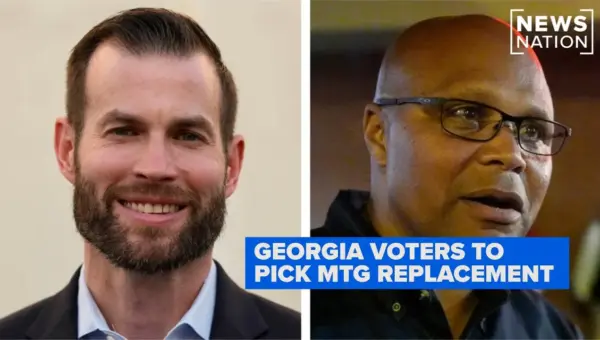
Georgia Race Tests GOP Grip on House Majority
Voters in Georgia are deciding a House seat crucial to the GOP's slim majority. Republican Clayton Fuller faces Democrat Sean Harris in a runoff. The race highlights voter concerns about affordability and local issues, testing Republican strength in a traditionally red district.

GOP Lawmaker: Democrats’ ‘America-Last’ Stance Sinks Polls
A Republican congressman asserts that the Democratic Party's "America-Last" rhetoric is causing a significant drop in their poll numbers. He criticizes their foreign policy stances and perceived alignment with adversarial regimes over American interests.

US Voters Weigh War vs. Wallet Ahead of Elections
American voters are increasingly torn between supporting military action abroad and addressing pressing economic needs at home. This tension is becoming a major factor in political debates and electoral strategies as the nation weighs its global responsibilities against the immediate concerns of its citizens.