California Gas Prices Soar: $8 Diesel Shocks Drivers
Diesel prices in San Francisco have reached an unprecedented $8 per gallon, shocking drivers. An investigation found no evidence of illegal price gouging by oil companies, suggesting refinery shutdowns and state policies are the main culprits. California's high gas taxes and strict regulations are cited as major drivers of the cost.


California Gas Prices Soar: $8 Diesel Shocks Drivers
Drivers in San Francisco are facing extreme price hikes at the pump. Diesel fuel has surged to an eye-watering $8 per gallon, a level previously unheard of. This sharp increase is putting a strain on household budgets and businesses across the state.
For years, California Governor Gavin Newsom has pointed fingers at oil companies, accusing them of unfairly raising prices for consumers. However, a recent investigation by CBS News has cast doubt on this narrative. After looking into gas prices hitting $6 per gallon over two years ago, state officials have now stated they found no evidence of illegal price gouging by oil companies.
Policy Over Price Gouging?
Instead of illegal practices, the investigation suggests that refinery issues are a major cause of the high prices. Two refineries have recently shut down, removing about 20% of California’s total refining capacity. This reduction in supply, combined with other factors, is believed to be driving up costs.
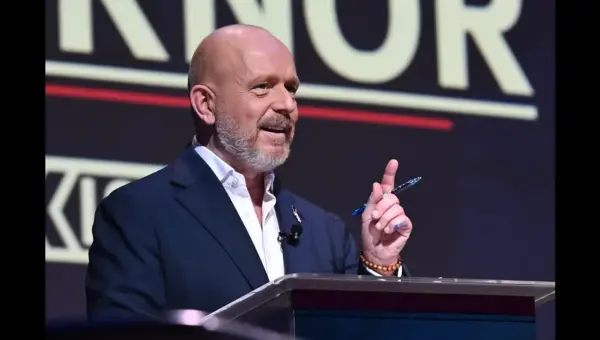
Steve Hilton, a candidate for California Governor, argues that the state’s own policies are the real problem. He believes that Democrats often blame companies for rising prices instead of examining the policies that could be making things worse. Hilton suggests this investigation might be a wake-up call for lawmakers to reconsider their approach.
Taxes and Regulations Drive Up Costs
Hilton points to two main policy areas contributing to the high gas prices in California. First, the state has the highest gas tax in the entire country. This tax alone can add $2 or more to the price of a gallon of gas, regardless of global events or oil company actions. He argues this is a direct result of state policy, not external factors.
Second, Hilton highlights the impact of strict regulations on refineries. These rules make it difficult and costly to operate, requiring major investments every few years to upgrade equipment. Currently, seven refineries are left in California. Many of these have warned Governor Newsom and state officials that they may close down in the next year or so if policies don’t change. Hilton fears this could make California completely dependent on imported gas, even though the state has its own oil and gas reserves.
A “War on Fossil Fuels”
Hilton criticizes what he calls a “ridiculous war on fossil fuels” by Democrats. He argues that these policies don’t necessarily reduce the use of fossil fuels but instead force the state to import them from far away. He notes that Iraq is currently California’s number one provider of oil, which he finds illogical given California’s own resources.
High-Speed Rail Project Faces Delays and Cost Overruns
The issue of government spending and policy effectiveness is also highlighted by problems with California’s high-speed rail project. Initially projected to cost $33 billion, the price tag has ballooned to an astonishing $126 billion. The project, which was meant to connect San Francisco to Los Angeles, has faced significant delays and criticism.
Even the state’s own Transportation Secretary has admitted that criticism of the project is justified. He has acknowledged that the public, including those in government, may not have fully understood what it would take to complete the massive undertaking. The project was originally planned to open in 2018, promising a two-and-a-half-hour trip between the two major cities.
A Shrunken Vision for High-Speed Rail
The current plan for the rail project is a greatly reduced version of the original vision. It now focuses on a stretch in the Central Valley, connecting Merced to Bakersfield. This segment would use existing train lines for part of the journey. However, the connection from Bakersfield to Los Angeles would rely on a bus service, which already exists and is provided by companies like Greyhound. This bus service takes about the same amount of time as the original high-speed train was supposed to.
Hilton expresses frustration that taxpayer money, particularly from climate policies like the cap-and-trade system, continues to fund this project. He states that a billion dollars a year is being directed to the rail project, which he believes was never going to be completed as initially planned. He advocates for stopping this project and redirecting funds towards more tangible needs.
Alternative Priorities for Taxpayer Money
As a potential governor, Hilton proposes shifting focus and funding. He suggests investing in practical improvements like roads and cutting the state’s gas tax. His goal is to directly reduce gas prices for Californians and address issues that impact daily life more immediately.
With the upcoming race for California Governor, these issues of gas prices, government spending, and policy effectiveness are expected to be major talking points. Taxpayers are likely to remain outraged and seek clear answers regarding how their money is being spent and why the cost of living, particularly for transportation, continues to rise.
Market Impact
The surge in diesel prices to $8 per gallon in California directly impacts the trucking and logistics industries. Increased fuel costs can lead to higher prices for goods and services across the board, as transportation expenses are passed on to consumers. This can contribute to broader inflation concerns.
The situation also highlights the delicate balance between environmental policies and energy supply. Regulations and refinery shutdowns can reduce domestic supply, potentially increasing reliance on imports and leading to price volatility. For investors, this underscores the importance of monitoring regulatory changes, refinery operations, and global energy markets when considering investments in the energy sector or companies heavily reliant on transportation.
What Investors Should Know
Investors should pay close attention to California’s regulatory environment and its impact on the energy sector. The potential closure of more refineries could create opportunities for companies involved in fuel imports or alternative energy solutions. Additionally, understanding the influence of state and federal taxes on fuel prices is crucial for assessing the profitability of energy companies and the cost structure of transportation-dependent businesses.
The ongoing debate about energy policy in California, including the state’s approach to fossil fuels and renewable energy, will continue to shape market dynamics. Investors may want to consider companies that are well-positioned to adapt to evolving energy landscapes and regulatory frameworks.
Source: San Francisco drivers face STICKER SHOCK at the gas pump (YouTube)

Related Articles


US Energy Dominance Fuels Economy, Outpaces Europe
The U.S. is solidifying its position as an energy superpower, with record oil and gas production driving economic growth and offering a significant advantage over Europe. This dominance stems from technological innovation and favorable domestic pricing.

Trump Backs British Ex-Advisor in California Governor Race
Donald Trump has endorsed Steve Hilton, a former advisor to the British Prime Minister, for California Governor. Hilton faces a crowded primary field in a state where Republicans have struggled to win the governorship in recent years. This endorsement signals Trump's continued influence and his desire to impact key state races.


Trump’s $1B Bribe Fuels Fossil Fuels Over Green Energy
A $1 billion U.S. taxpayer bribe reportedly steered French company Total Energies from building wind farms to drilling for natural gas in Texas. This move faces criticism for potentially harming the environment, distorting energy markets, and contradicting the interests of domestic fossil fuel companies.