US Dares Iran: A Daring Rescue Proves American Resolve
A daring rescue deep inside Iran, risking many lives to save two American airmen, underscores the U.S. commitment to its service members. This high-risk operation showcases American military prowess and strategic deception, sending a clear message to Iran and the world about American resolve.


US Dares Iran: A Daring Rescue Proves American Resolve
President Trump recently described a difficult choice he faced: risking many lives to save just two American airmen trapped deep inside Iran. The mission, though dangerous, showed that in the United States, no American is ever left behind. This bold rescue operation highlights the value placed on every service member’s life and America’s commitment to its people, even in hostile territory.
A Commander-in-Chief’s Duty
Ambassador Scott Brown explained that this is precisely what a commander-in-chief does. Leaving someone in Iran could lead to them being used for propaganda or facing torture. Brown praised the mission as highly secret and well-executed. He also noted the lack of leaks from the Department of Defense, which is crucial for such sensitive operations. He expressed disappointment that Democrats did not commend the president and the military for their success.
Global Message of Strength
John Sidelites, a senior fellow at the Center for the National Interest, called the rescue operation remarkable and historic. He emphasized that for Americans, the success is unsurprising because service members train for years for difficult missions. He contrasted the U.S. value for American lives with the Iranian regime’s disregard for its own citizens, who have been killed for protesting. Sidelites believes the operation sends a powerful message of American air dominance over Iran and shows the humiliation of Iranian authorities who could not prevent or detect the mission.
The life of every American serviceman and woman, especially in theaters of combat, are extraordinarily precious to the American people as opposed to the Iranian regime which guns down 35 to 45,000 innocent civilians simply for protesting and wanting a change in government.
Behind the Mission: Deception and Coordination
The rescue was a high-risk mission deep inside Iran. It involved coordinated strikes, deception tactics, and full synchronization across air, ground, and special operations forces. The complexity and success of the operation left Iranian authorities questioning how it was achieved. Sidelites highlighted that deception is a key part of successful military operations, keeping the enemy confused and unpredictable.
Historical Context: Speed and Efficiency
Ambassador Brown compared the speed of this rescue to previous operations. He noted that it took the Obama administration over two years to get Osama bin Laden, involving extensive bombing campaigns. In contrast, President Trump’s team accomplished this rescue mission in just 38 days. Brown described the operation as textbook, something that will be studied for years to come. He expressed deep pride in the service members who risk their lives for national security.
Iran’s Isolation and Chinese Influence
Sidelites pointed out that Iran has very little support from the Middle East street, unlike in past decades. The country is largely isolated, with the exception of China, which has provided surveillance and targeting technology. He suggested that China’s involvement is likely with the permission of the Chinese Communist Party and anticipates President Trump will address this with Chinese leadership.
A Deadline for Iran
The transcript mentions President Trump threatening to strike Iranian bridges and power plants if Iran does not reach an agreement by a specific deadline. This threat aims to force Iran back to the negotiating table. Sidelites noted that Iran’s leadership is in a precarious position, with many officials potentially in hiding due to Israeli actions. He believes the U.S. military will continue to target Iranian military infrastructure until a certain point, after which naval vessels can safely navigate the Strait of Hormuz.
Allies’ Inaction and Future Outlook
Ambassador Brown expressed frustration with U.S. allies who he feels do not provide help when needed, yet rely on American support. He believes these allies need stability more than the U.S. does but are unable to act. He stated that the U.S. will likely be forced to take action alone, and neither the president nor the American people will forget this lack of support. The situation remains tense, with a deadline approaching and a NATO chief set to visit the White House.
Why This Matters
This rescue operation serves as a powerful symbol of American commitment to its service members. It demonstrates advanced military capabilities and strategic planning. The mission also highlights the complex geopolitical dynamics in the Middle East, particularly the strained relationship with Iran and the growing influence of China. The events underscore the high stakes involved in international relations and the potential consequences of failing to uphold alliances and international norms.
Implications and Future Trends
The operation suggests a willingness by the U.S. to undertake high-risk missions to protect its personnel. It also signals a robust approach to dealing with perceived threats from Iran, including potential military action and economic pressure. The reliance on deception and advanced technology in modern warfare is evident. The U.S. stance on its allies’ lack of support could lead to shifts in international cooperation and burden-sharing.
Historical Context
The comparison to the bin Laden raid provides historical context, showing a perceived increase in the speed and efficiency of U.S. special operations. The discussion about Iran’s regional actions and international isolation draws parallels to past geopolitical challenges in the Middle East. The mention of Chinese involvement points to a longer-term trend of great power competition.
Source: ‘Herculean Rescue’: Every US Service Member's Life Is Precious to Americans: Panel (YouTube)

Related Articles
Trump’s Iran Threats Spark War Crimes Fears
Former President Donald Trump's extreme threats against Iran have led to a communication blackout and fears of war crimes. Iran has warned of severe regional retaliation if attacked, while international figures call for Trump's removal from office.

Iran Uses Civilians as Shields Amidst Escalating Tensions
Iran has reportedly deployed civilians as human shields around power plants and bridges amidst escalating tensions and collapsing diplomatic talks. This tactic aims to deter potential attacks by creating a moral dilemma, while official statements deny the use of nuclear weapons. The situation highlights a disturbing trend in modern warfare.

Trump Threatens Iran With ‘Demolition’ Amid Impeachment Talk
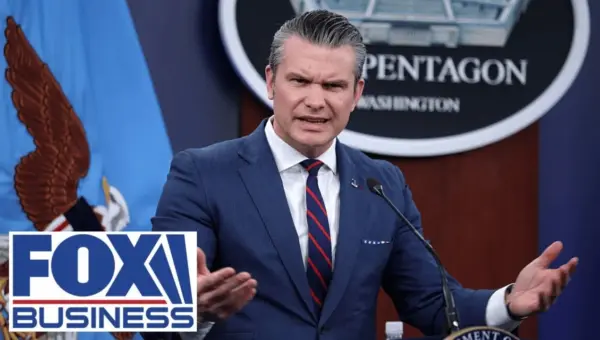
President Trump issued a stark warning to Iran, threatening widespread demolition of its infrastructure if a deal isn't reached. Meanwhile, domestic politics heat up as an Arizona Democrat plans to introduce articles of impeachment against Secretary of War Pete Hegseth, though success is unlikely in the current political climate.