Artemis II Astronauts View Unseen Lunar Craters, Sparking Space Race Debate
The Artemis II astronauts have captured unprecedented views from the far side of the Moon, sparking discussions about a new era in space exploration. The mission's success highlights American innovation, though it also coincides with debates on foreign policy and national security.

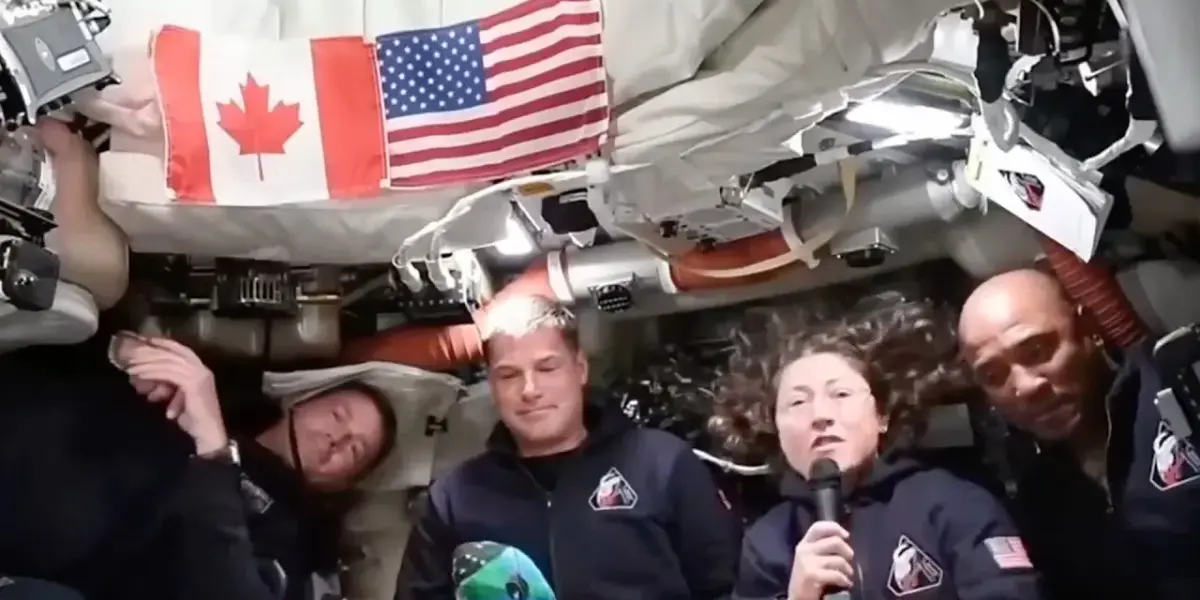
Artemis II Astronauts Witness New Lunar Vistas
The Artemis II mission is making history, with astronauts aboard the Orion spacecraft capturing incredible views from the far side of the Moon. This mission marks a significant step in humanity’s return to deep space. For the first time, astronauts have seen parts of the Moon that even the Apollo missions could not. The crew has shared their awe, describing the experience as seeing something “we have never seen before.” They even proposed naming an unnamed crater on the far side “Integrity,” highlighting the mission’s spirit.
A New Era of Space Exploration?
The success of Artemis II has sparked a discussion about a potential new era of space exploration and competition. Ashwani Jen, a Democratic strategist and former Obama White House official, believes this mission proves America can lead the world when it invests in science, education, and innovation. “When we invest in science, in education, in innovation, America can still lead the world,” Jen stated. He also noted the importance of the mission’s diverse crew, seeing it as a symbol of progress. Ashley Rich Stevenson, president of Axe Advocacy, echoed this pride, calling the mission “absolutely remarkable” and something all Americans can support. She emphasized that space exploration is a unifying topic, free from partisan divides.
Historical Context: The Apollo Legacy
The Artemis program builds upon the legacy of the Apollo missions, which first landed humans on the Moon between 1969 and 1972. While Apollo achieved incredible feats, its missions were limited by the technology and objectives of the time. The astronauts could only travel to and orbit the near side of the Moon, the side that always faces Earth. Artemis II’s journey to the far side, and the unique perspectives it offers, represents a significant technological and exploratory advancement. It allows us to see celestial bodies from entirely new angles, expanding our understanding of the cosmos.
Broader Geopolitical Tensions Surface
While the excitement around Artemis II is palpable, the discussion also touched upon current geopolitical tensions, particularly concerning Iran. The conversation shifted to a recent military operation in Iran and the controversy surrounding leaked information. The White House stated that leaked details about a missing airman made the rescue operation more difficult. This led to a debate about accountability for leaks and the administration’s overall strategy towards Iran.
Divergent Views on Iran Policy
The panelists presented contrasting viewpoints on U.S. policy toward Iran. Ashwani Jen criticized President Trump’s approach, calling it inconsistent and detrimental to national security. He argued that the previous “Obama deal” offered a path to diplomacy and monitoring, which was abandoned in favor of conflict. Jen believes this shift, along with economic policies, fails to make America safer and doesn’t reflect sound priorities. Ashley Rich Stevenson, however, defended the administration’s actions. She highlighted the success of the recent rescue operation as a demonstration of strength and the commander-in-chief’s resolve. Stevenson argued that the U.S. must prevent Iran from obtaining nuclear weapons and sponsoring terrorism, framing the current approach as necessary for regional and domestic security.
Public Opinion and Morale
The discussion also explored how these events might affect public morale and national pride. While some polls show mixed reactions to the Iran policy, Stevenson pointed to survey data indicating support for the military operation and belief in an eventual U.S. victory. She emphasized that moments like these, showcasing military success and presidential leadership, can foster a sense of pride. Jen, on the other hand, suggested that Americans lack confidence in the current administration, citing disapproval of its actions and priorities. He asserted that true strength comes from international cooperation and diplomacy, not from replacing diplomatic solutions with military ones.
Why This Matters
The Artemis II mission is more than just a journey into space; it represents a renewed commitment to scientific exploration and American leadership. The unique views from the far side of the Moon offer not only scientific data but also a powerful symbol of what humanity can achieve when it works together. This mission comes at a time when global cooperation is more crucial than ever. Meanwhile, the debate surrounding Iran policy highlights the complex challenges of international relations and the differing approaches to national security. The contrasting perspectives on these issues underscore the deep divisions within American politics and the varying interpretations of what constitutes strength and effective leadership. The success of space missions can serve as a unifying force, yet the underlying political disagreements continue to shape public discourse and policy decisions.
Future Outlook
The Artemis program aims to establish a long-term human presence on the Moon and eventually send astronauts to Mars. The insights gained from Artemis II, including the ability to observe previously unseen lunar features, will be invaluable for future missions. As space exploration continues, the potential for international collaboration and competition will likely grow. The ongoing geopolitical situations, however, serve as a reminder that challenges on Earth can influence and be influenced by our endeavors in space. The way nations navigate these complex issues, both in orbit and on the ground, will define the future of exploration and global stability.
Source: Absolutely Remarkable Artemis II Astronauts Seeing Parts of Moon Apollo Unable to See: Panel (YouTube)

Related Articles


Trump’s Iran Threat Looms as Artemis II Reaches New Space Heights
Former President Trump issued a stern warning to Iran regarding a potential deal, while the Artemis II mission achieved a new distance record in space. The Education Department also announced it is rescinding Title IX agreements related to gender identity policies.

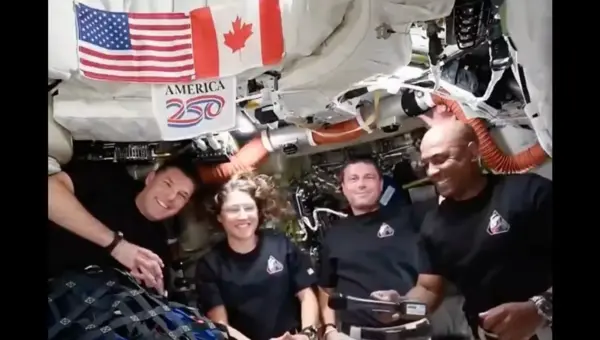
Astronauts Shatter Space Record, Trump Hails New Lunar Era
NASA's Artemis 2 astronauts have achieved a historic milestone, flying farther from Earth than any humans before. The record-breaking mission around the moon also included a touching tribute and a renewed vision for lunar and Martian exploration.

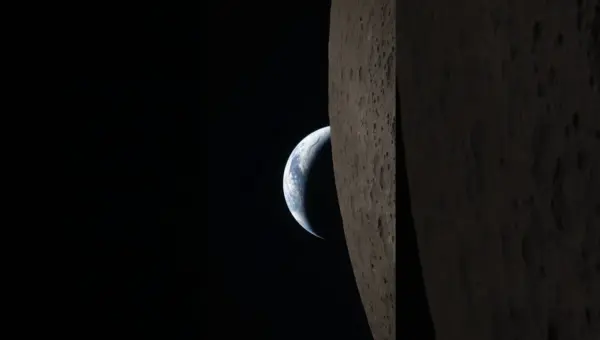
Artemis II Crew Captures Stunning Earthrise from Moon’s Far Side
The Artemis II crew has captured a historic, high-quality image of Earth setting over the Moon's horizon. This stunning 'Earthset' view, never before seen by humans, was taken from the far side of the Moon and showcases the phenomenon of earthshine illuminating the lunar surface.