Trump Threatens Iran’s Infrastructure After Airman Rescue Triumph
President Trump has threatened Iran's power plants and bridges if the Strait of Hormuz is not reopened, following a successful U.S. military rescue of two downed airmen. The operation showcased advanced intelligence and bravery, while the President also criticized allies for not contributing enough to security efforts.

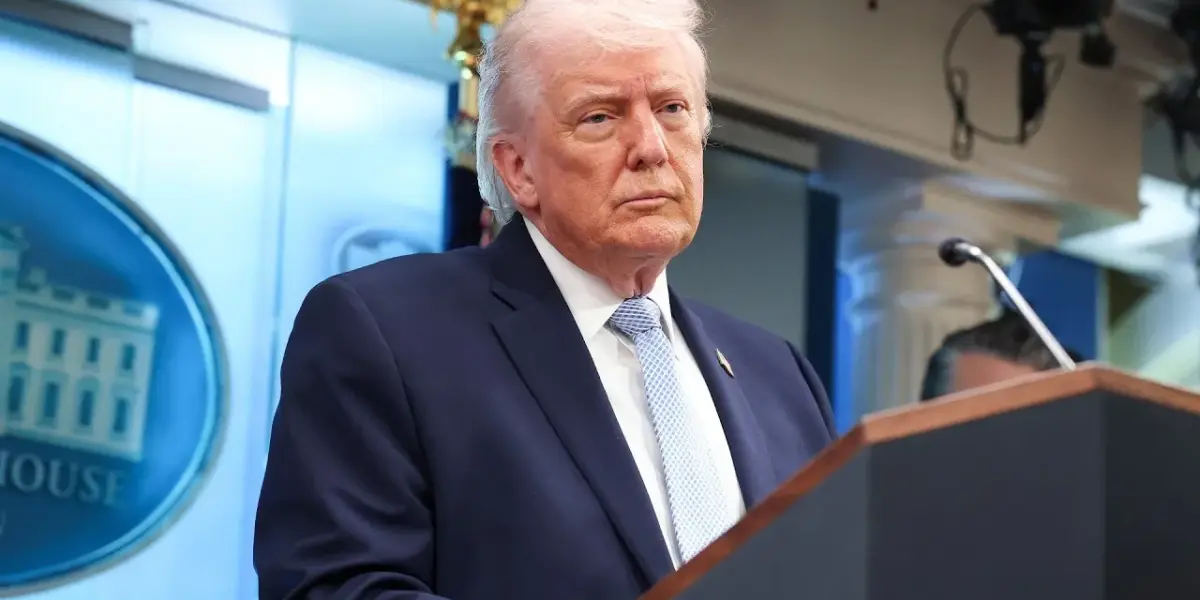
Trump Threatens Iran’s Infrastructure After Airman Rescue Triumph
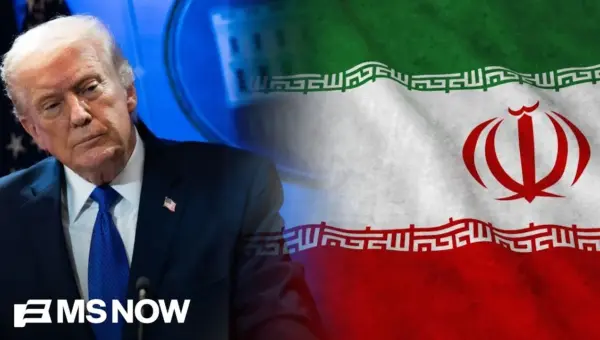
President Trump has issued a stark warning to Iran, threatening to target its power plants and bridges if the country does not reopen the Strait of Hormuz. This ultimatum comes at a moment of high tension, but also follows a significant success for American forces: the daring rescue of two U.S. airmen shot down over Iranian territory.
A Daring Rescue Mission
Last week, an F-15 fighter jet went down over Iran, an incident that could have led to the capture or death of its crew. However, the U.S. military orchestrated what is being called one of the most complex rescue operations ever attempted. The pilot was located, and a severely wounded weapon system officer managed to evade Iranian forces for nearly two days.
This officer, despite his injuries, followed his training. He climbed into difficult, mountainous terrain, treating his own wounds and finding a way to signal his location to American forces. This act of bravery and adherence to protocol was crucial in his eventual rescue. The Pentagon highlighted this operation as proof that the U.S. military “leaves no one behind.”
Intelligence and Deception
CIA Director John Ratcliffe praised the mission, specifically mentioning a clever deception campaign designed to mislead the Iranians who were actively searching for the downed airmen. The airmen were shot down on a Friday, hid for the weekend, and were rescued early Sunday morning, just as the sun rose on Easter. This timing adds a dramatic element to the already intense rescue effort.
Ratcliffe described the challenge of locating the airmen as finding “a single grain of sand in the middle of a desert.” He noted that intelligence suggested the Iranian forces felt embarrassed and humiliated by the successful and audacious rescue. The operation reportedly involved both human intelligence and advanced technology, showcasing the capabilities of U.S. intelligence services.
Escalating Tensions and Leaks
Amidst the celebration of the rescue, President Trump also focused on national security concerns. He vowed to find and prosecute the journalist who first reported that a U.S. troop was awaiting rescue. The President believes this leak put the mission, the airman, and the hundreds of personnel involved in the search at great risk.
Trump stated, “We have to find that leaker. We’re going to find out. It’s national security and the person that did the story will go to jail.” This strong stance highlights the administration’s view on the importance of maintaining secrecy during critical military operations.
Frustration with Allies and Aid
The President also expressed frustration with some countries that receive U.S. military aid but, in his view, do not use it effectively or contribute sufficiently to joint operations. He mentioned instances where weapons sent to help local forces fight against “thugs” were kept by the recipients. This suggests a desire for greater burden-sharing and a more active role from allies.
This sentiment was echoed in comments regarding NATO allies, as well as countries like South Korea, Japan, and Australia. Trump called them out for not providing more support during what he termed “Operation Epic Fury.” This criticism comes just before a meeting with NATO Secretary General Jens Stoltenberg, indicating a potential point of discussion.
Historical Context and Future Outlook
The Strait of Hormuz has long been a critical chokepoint for global oil transport. Tensions in this region have often flared, leading to heightened security measures and diplomatic efforts. Iran has previously threatened to disrupt shipping in the strait, and the U.S. has responded by increasing its naval presence and forming coalitions to ensure freedom of navigation.
President Trump’s threat to target Iran’s infrastructure is a significant escalation in rhetoric. Historically, such threats have been part of a broader strategy of applying pressure through sanctions and military posturing. The success of the airman rescue mission provides a contrasting narrative of American capability and resolve.
Why This Matters
This situation highlights a complex interplay of military success, diplomatic pressure, and potential conflict. The successful rescue demonstrates the effectiveness of U.S. military and intelligence capabilities, boosting morale and projecting strength. However, the President’s threats against Iranian infrastructure indicate a willingness to employ aggressive tactics to achieve foreign policy objectives.
The effectiveness of such threats remains to be seen. Applying economic and military pressure can yield results, but it also carries the risk of unintended consequences and further escalation. The administration’s focus on allies’ contributions also points to a broader trend of demanding more from international partners in security matters.
Implications and Trends
The events underscore the volatile nature of U.S.-Iran relations. The administration is using a combination of celebrating military prowess and issuing severe warnings to influence Iran’s behavior. The emphasis on intelligence gathering and deception in the rescue mission suggests a continued reliance on technological and human intelligence for future operations.
Furthermore, the President’s public criticism of allies signals a potential shift in how the U.S. approaches international cooperation. There appears to be an increasing expectation for allies to contribute more significantly, both financially and militarily, to shared security goals. This could reshape alliances and partnerships moving forward.
Looking Ahead
The coming days will be crucial in determining whether Iran complies with the U.S. demand regarding the Strait of Hormuz. The deadline set by President Trump will likely be a focal point of international attention. The administration’s approach, balancing celebration of a successful mission with aggressive threats, suggests a strategy aimed at projecting both capability and a readiness to act decisively.
The outcome could have significant implications for regional stability and global energy markets. Whether this tactic leads to de-escalation or further conflict will depend on Iran’s response and the broader geopolitical dynamics at play.
Source: Trump Details Airman Rescue Mission as He Threatens Strikes on Iran’s Infrastructure (YouTube)

Related Articles

Trump Threatens Iran’s Infrastructure in Hormuz Standoff
President Trump has threatened to cripple Iran's infrastructure, including bridges and its power grid, if it continues to harass shipping in the Strait of Hormuz. Former Congressman Bob McEwen explained this strategy aims to force Iran to negotiate by severely damaging its operational capacity. The discussion also addressed the potential for such actions to be considered war crimes, with McEwen distinguishing between infrastructure attacks and the targeting of civilians.

Trump Warns Iran: Civilian Targets Could Face Destruction
President Trump has threatened to destroy Iran's bridges and power plants if a deadline regarding the Strait of Hormuz is not met. International alarm is growing as negotiations falter and concerns mount over potential war crimes and the impact on civilians. Allies are expressing deep concern over the U.S. approach and the potential for wider conflict.
Trump Threatens ‘Civilization’s Death’ in Iran Standoff
President Trump has issued a stark warning, threatening that a "whole civilization will die tonight" if Iran does not meet his deadline. The escalating conflict enters its sixth week with just hours left before the U.S. President's ultimatum expires.