US Role in Iran: From Ally to Adversary Over 70 Years
The relationship between the U.S. and Iran has a long and complex history, starting with cooperation and U.S. aid in developing Iran's nuclear program. This shifted dramatically after the 1953 U.S.-backed coup and the 1979 revolution, leading to the 1979 hostage crisis and decades of hostility, sanctions, and proxy conflicts.

US Role in Iran: From Ally to Adversary Over 70 Years
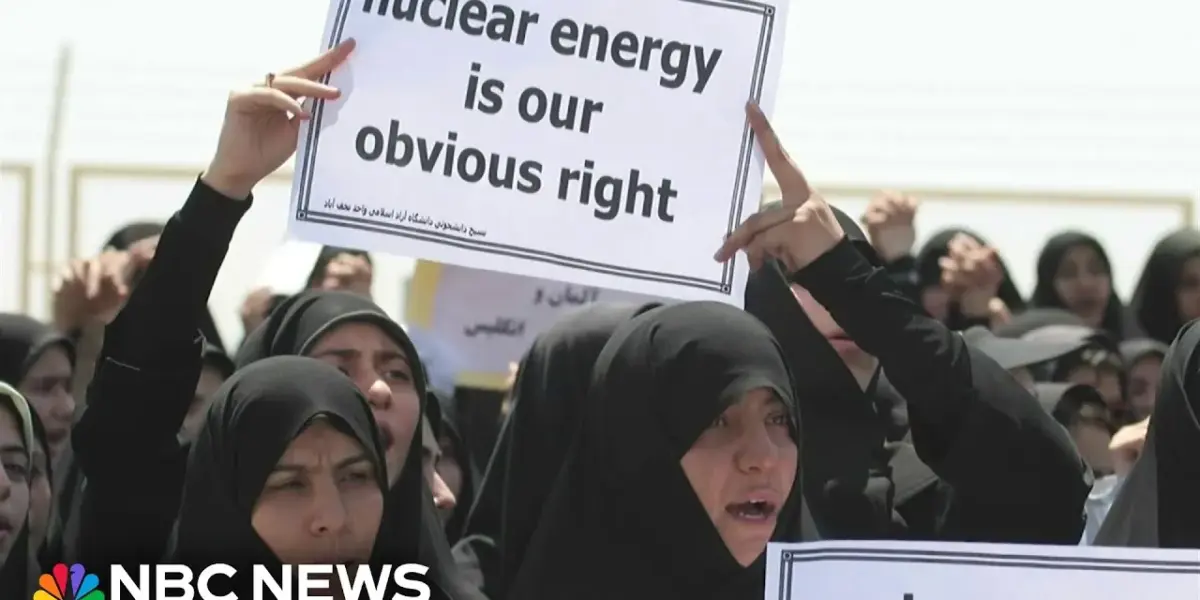
The complex relationship between the United States and Iran, marked by decades of shifting alliances and deep-seated mistrust, traces its roots back over 70 years. What began as a partnership, with the U.S. even introducing Iran to nuclear technology, has evolved into a persistent state of hostility, significantly shaping current geopolitical tensions. This historical overview explores key moments, from early cooperation to the 1953 coup and the 1979 revolution, that have defined the two nations’ adversarial stance.
Early Cooperation and Shifting Alliances
In the 1950s, the United States and Iran shared a strong relationship, a period when Washington even provided Iran with its first nuclear reactor. This cooperation occurred when both nations were allies, a stark contrast to today’s strained relations. However, this alliance began to fray when Iran’s democratically elected Prime Minister, Mohammad Mossadegh, nationalized the country’s oil industry in 1951. Britain, which had controlled Iran’s oil wealth, viewed this move as a direct threat to its economic interests.
The 1953 Coup and its Aftermath
In response to Mossadegh’s nationalization, British intelligence, in collaboration with the CIA, orchestrated a plot to overthrow Iran’s popular leader. This conspiracy aimed to reinstate the Shah as Iran’s absolute ruler. The U.S. government long denied its involvement in this coup until a significant admission in 2009. Then-Secretary of State, speaking in 2009, acknowledged, “In the middle of the Cold War, the United States played a role in the overthrow of a democratically elected Iranian government.” Following the Shah’s return to power, Iran experienced an authoritarian crackdown on dissent. Despite this, the U.S. continued to support Iran, even assisting in the development of its nuclear program during the 1960s.
The 1979 Revolution and the Hostage Crisis
The close ties between the U.S. and the Shah’s regime could not withstand the growing discontent within Iran. In 1979, widespread street demonstrations, fueled by Shiite religious leaders, led to the collapse of the government. The U.S.-backed Shah fled the country, and Ayatollah Khomeini rose to power, establishing an Islamic Republic. The situation escalated dramatically when President Jimmy Carter allowed the exiled Shah to enter the United States for cancer treatment. This decision was seen by Iran’s new leadership as the U.S. protecting an old ally. In protest, hundreds of Iranian students stormed the U.S. Embassy in Tehran, taking 52 American citizens hostage. These hostages were held for 444 days, an event that deeply scarred American perceptions of Iran and became a defining moment in their relationship. The crisis remains a prism through which many Americans view Iran, influencing pop culture and political rhetoric for decades.
Decades of Hostility and Escalation
The Iran hostage crisis set the stage for years of escalating hostilities. The U.S. imposed sweeping sanctions and designated Iran as a state sponsor of terrorism. This animosity even permeated American popular culture, with figures like the professional wrestler The Iron Sheik becoming a notorious villain representing Iran. The geopolitical landscape grew darker in the 1980s when the United States backed Saddam Hussein’s Iraq during its invasion of Iran. A tragic incident occurred in 1988 when the U.S. Navy shot down an Iranian passenger jet, killing all 290 people on board. Washington called it a terrible accident, while Tehran condemned it as a war crime.
Modern Tensions and Enduring Legacy
Following the September 11th attacks, the rhetoric towards Iran intensified. President George W. Bush famously grouped Iran with North Korea and other nations, describing them as an “Axis of Evil” threatening world peace. Today, the ongoing efforts to prevent Iran from acquiring nuclear weapons are a central focus of U.S. foreign policy. However, the current stance often overlooks the nation’s complex history, including the U.S.’s own role in shaping Iran’s political landscape and its nuclear capabilities decades ago. The adversarial relationship, born from a series of critical historical events, continues to define the dynamic between the two nations, with echoes of the past still resonating in present-day conflicts and diplomatic challenges.
Source: A brief history of U.S. involvement in Iran (YouTube)

Related Articles


Iran Uses Civilians as Shields Amidst Escalating Tensions
Iran has reportedly deployed civilians as human shields around power plants and bridges amidst escalating tensions and collapsing diplomatic talks. This tactic aims to deter potential attacks by creating a moral dilemma, while official statements deny the use of nuclear weapons. The situation highlights a disturbing trend in modern warfare.

US Dares Iran: A Daring Rescue Proves American Resolve
A daring rescue deep inside Iran, risking many lives to save two American airmen, underscores the U.S. commitment to its service members. This high-risk operation showcases American military prowess and strategic deception, sending a clear message to Iran and the world about American resolve.

Trump Threatens Iran’s Infrastructure After Airman Rescue Triumph
President Trump has threatened Iran's power plants and bridges if the Strait of Hormuz is not reopened, following a successful U.S. military rescue of two downed airmen. The operation showcased advanced intelligence and bravery, while the President also criticized allies for not contributing enough to security efforts.