US Military Never Leaves Warriors Behind: A Daring Rescue
A daring rescue of a downed US jet crew in Iran highlights the military's core principle: leaving no American behind. Retired Lt. Col. Darren Gob details the mission's risks, the complex planning involved, and the vital role of mindset and faith for survival. This commitment reassures service members and underscores national resolve.

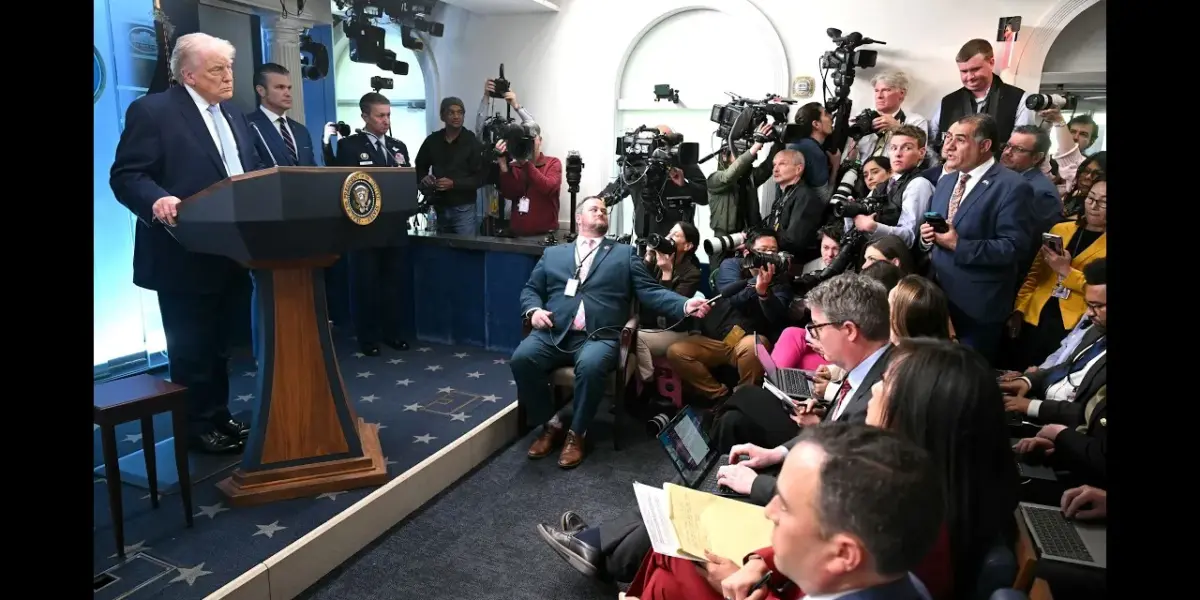
US Military Never Leaves Warriors Behind: A Daring Rescue
The recent rescue of an American jet crew shot down in Iran was hailed by President Trump as one of the most difficult combat searches ever undertaken. This operation highlights a core principle of the U.S. military: leaving no American behind. Retired Lieutenant Colonel Darren Gob, a geopolitical strategist and former Army helicopter pilot, shared his insights on the mission’s risks and the unwavering commitment behind such operations.
A Risky Mission, A Shared Mindset
President Trump described the rescue as a “risky decision” that could have led to many casualties. Colonel Gob agreed, stating that any mission of this nature is inherently dangerous. However, he emphasized that every person involved, from those on the mission to those who volunteered for it, shares a specific mindset. “There’s probably people that were asking to be on this mission that weren’t allowed on it just for a variety of reasons,” Gob noted. This desire to be part of critical recovery efforts stems from extensive training and a deep-seated belief in personnel recovery.
‘We Leave No One Behind’: More Than Just Words
The phrase “we leave no one behind” is not merely a slogan within the U.S. military; it’s a way of life. Colonel Gob explained that significant resources and personnel are dedicated to ensuring successful recovery operations when called upon. This commitment is forged through experience, including lessons learned from conflicts like Vietnam, which have shaped modern search and rescue techniques. Gob himself has trained hundreds of aircrew members, underscoring the importance of these skills.
The Complex Choreography of a Rescue
Planning a combat search and rescue mission is incredibly complex, often described as a “choreography for one of the most complicated dances in the world.” Colonel Gob broke down the intricate process. It involves coordinating assets from satellites and high-flying planes to drones, helicopters, and ground personnel. These various elements must work together seamlessly in a small area to achieve the specific goal of retrieving personnel. “A thousand things can always go wrong,” Gob admitted, but he stressed that the military cannot be deterred from acting simply because of potential risks. This dedication is central to their ethos.
The Pilot’s Grit and the Power of Mindset
The rescued jet pilot endured nearly 48 hours of evasion in treacherous terrain while injured. He scaled cliffs, treated his own wounds, and managed to contact American forces to signal his location. Colonel Gob highlighted that the mental aspect of survival is paramount in such situations. “Your number one weapon is the ability to have the trust, the faith, and the confidence in your training in yourself and the desire to live through whatever you’re going through,” he explained. This includes trusting that one’s peers will come to the rescue.
Faith, Hope, and the Will to Survive
For evaders and survivors, three key elements are crucial: the right mindset, a functioning communication device, and the unwavering belief in recovery. This trust and faith not only help the individual being rescued but also reinforce the military’s commitment to all its members. When personnel see successful rescues, it strengthens their confidence that they, too, will be brought home if they face danger. In an all-volunteer force, this assurance is vital for morale and retention.
‘God Is Good’: A Symbol of Hope
The rescued airman’s first message upon activating his transponder was, “God is good.” This simple phrase carried immense weight, especially given the timing: shot down on Good Friday, hidden during Saturday, and rescued on Easter Sunday. Secretary of War Pete Hexth noted how the airman’s faith and fighting spirit shone through. Colonel Gob echoed this sentiment, adding, “God is good all the time.” He emphasized that the combination of mindset, faith, trust, skills, and training is what makes these operations possible.
Why This Matters
The commitment to bringing every service member home, no matter the risk or complexity, is a foundational element of the U.S. military’s identity. This principle reassures current service members and serves as a powerful message to potential adversaries. It underscores that the United States will invest significant resources and take calculated risks to protect its people. The ongoing efforts to account for those lost in past conflicts, like Korea and Vietnam, through dedicated offices within the Department of Defense, further illustrate this enduring promise.
Implications and Future Outlook
This rescue operation serves as a powerful reminder of the sophisticated capabilities and the deep-seated values of the U.S. military. It reinforces the importance of specialized training in personnel recovery and the seamless integration of diverse assets. As geopolitical tensions continue, the ability to execute such complex missions will remain critical. The emphasis on mental fortitude and the belief in mutual support among service members will continue to be vital components of military readiness and morale. The principle of leaving no one behind, even in the face of extreme danger, will likely remain a cornerstone of military doctrine and public perception.
Source: 'God Is Good—All the Time': Retired Colonel on Rescue of US Jet Crew (YouTube)

Related Articles
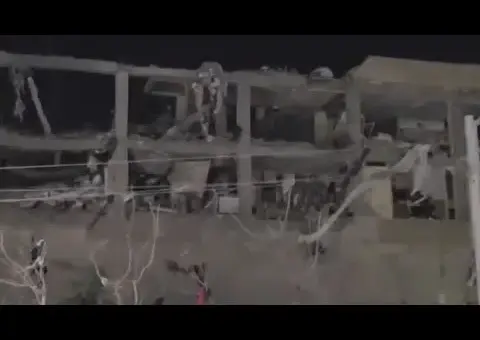
Iran and US Trade Blows as Tensions Spike
The U.S. and Iran are engaged in a dangerous exchange of strikes, with a critical deadline set by President Trump looming over the Strait of Hormuz. Both nations, along with Israel, are escalating military actions, while diplomatic channels remain open but strained.

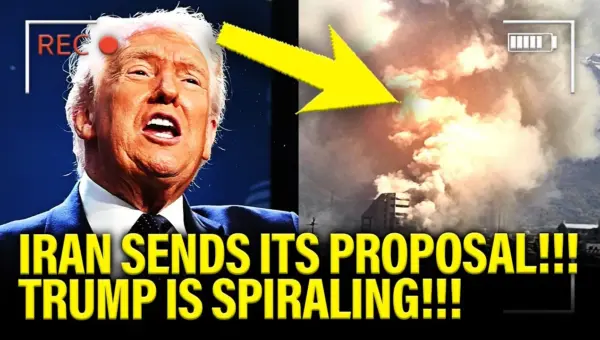
Trump’s Iran Threats Spark War Crimes Fears
Former President Donald Trump's extreme threats against Iran have led to a communication blackout and fears of war crimes. Iran has warned of severe regional retaliation if attacked, while international figures call for Trump's removal from office.


Iran Uses Civilians as Shields Amidst Escalating Tensions
Iran has reportedly deployed civilians as human shields around power plants and bridges amidst escalating tensions and collapsing diplomatic talks. This tactic aims to deter potential attacks by creating a moral dilemma, while official statements deny the use of nuclear weapons. The situation highlights a disturbing trend in modern warfare.