US Unleashes Major Strikes on Iran Amidst Escalating Conflict
The US military has launched its largest volume of strikes against Iran in a significant escalation of conflict. This follows Israeli strikes on Iran's petrochemical industry, causing severe economic damage. Iran has retaliated, striking a residential building in Israel.

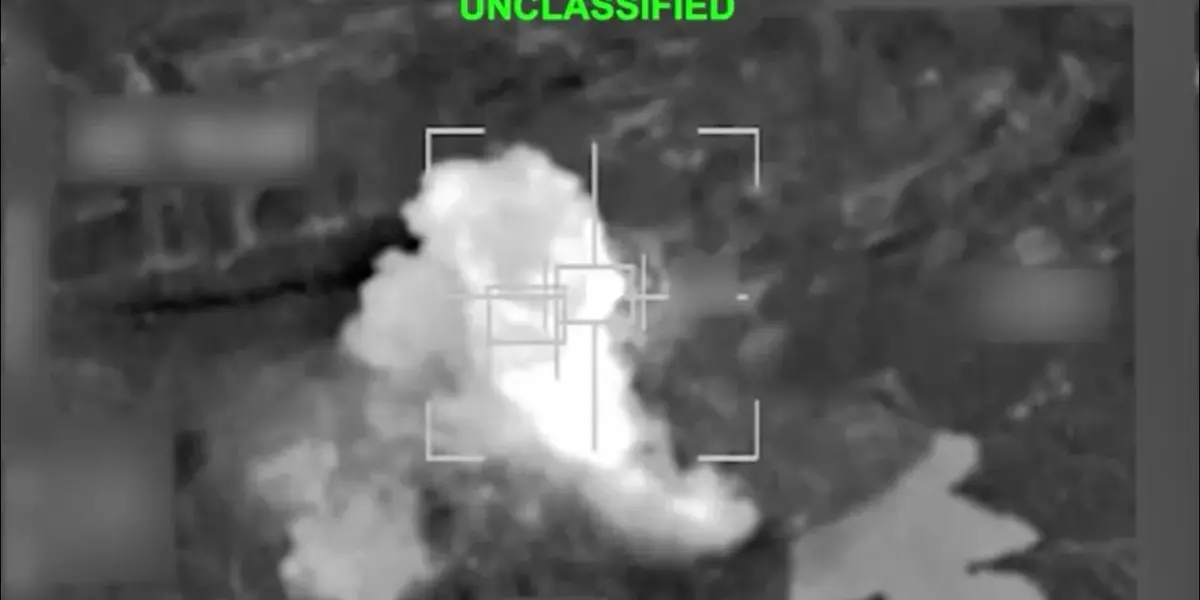
US Escalates Military Action Against Iran
The United States military has launched what is described as the “largest volume of strikes” against Iran since the start of Operation Epic Fury. This significant increase in military action comes as a deadline set by President Trump for Iran to reach a deal approaches. US Central Command has released videos showing strikes on military targets within Iran. Separately, Israeli forces have also reported conducting substantial strikes, including an attack on Iran’s largest petrochemical plant.
Iran’s Drone Threat and Counterclaims
US forces recently released footage of a strike targeting an Iranian attack drone. The US stated that Iran uses these drones to threaten American forces and to attack civilians in neighboring countries. This action follows an incident where Iranian forces shot down a US fighter jet. In a surprising claim, Iran has stated it struck the USS Tripoli, a US amphibious assault ship. However, the US Central Command has refuted this claim, posting a fact check on X (formerly Twitter) stating the ship was not attacked and remains operational in the Arabian Sea, supporting ongoing military operations.
Economic Blow to Iran from Israeli Strikes
Israeli forces have conducted a new wave of air strikes on Iran. Over the weekend, black smoke was seen rising from Iran’s largest petrochemical plant. Israel’s defense minister confirmed this was the second petrochemical plant hit in Iran within two weeks. These two facilities together are responsible for about 85% of Iran’s petrochemical exports. Their current nonoperational status represents a severe economic blow to the Iranian regime, with losses estimated in the tens of billions of dollars. Israel’s defense minister warned Iran that continued targeting of civilians in Israel would lead to strikes against Iran’s national infrastructure.
Attacks on Leadership and Civilian Targets
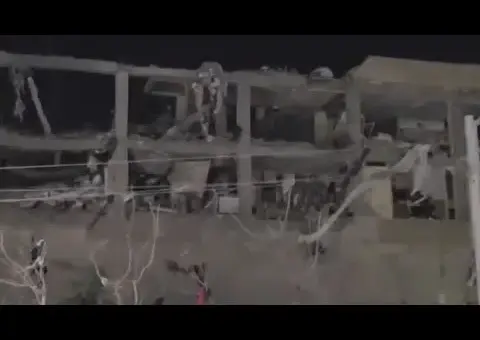
In addition to the strikes on industrial infrastructure, Israeli forces also reported hitting Iranian aircraft and helicopters at three airports in Tehran. A strike was also reported against the head of the intelligence organization of Iran’s Islamic Revolutionary Guard Corps. Despite these actions, Iran has continued its own retaliatory strikes. On Monday, an Iranian missile hit a residential building in northern Israel, resulting in the deaths of four people. A local resident described the event, noting the loud noise but a lack of perceived impact, which they later realized meant the missile had not detonated.
Historical Context and Escalation
The current situation reflects a dangerous escalation in a long-standing regional conflict. Tensions between the US, Iran, and its allies have been high for years, marked by proxy conflicts and direct confrontations. The use of drones by Iran, and the subsequent US response, highlights a modern aspect of warfare where unmanned aerial vehicles can pose significant threats. The targeting of critical infrastructure, like petrochemical plants, shows a shift towards economic warfare as a strategic tool, aiming to cripple an opponent’s ability to fund operations or maintain stability.
Why This Matters
The intensification of military strikes by both the US and Israel against Iran, coupled with Iran’s retaliatory actions, significantly raises the risk of a wider regional conflict. The disruption of Iran’s petrochemical exports has serious economic implications, not just for Iran but potentially for global markets. The targeting of civilian areas, even if unintentional in some cases, carries immense human cost and risks further inflaming tensions. The situation demands careful de-escalation and diplomatic efforts to prevent a catastrophic outcome.
Implications and Future Outlook
The coming days are critical. The US ultimatum suggests a potential for further significant military action if diplomatic goals are not met. The economic damage inflicted on Iran could lead to increased internal pressure or more aggressive external responses. The involvement of Israel, a key US ally, in direct strikes against Iran, deepens the complexity of the conflict. The international community will be closely watching for any signs of de-escalation or further military engagement, which could have far-reaching consequences for global security and energy markets.
Source: US to Launch 'Largest Volume of Strikes' in Iran (YouTube)

Related Articles
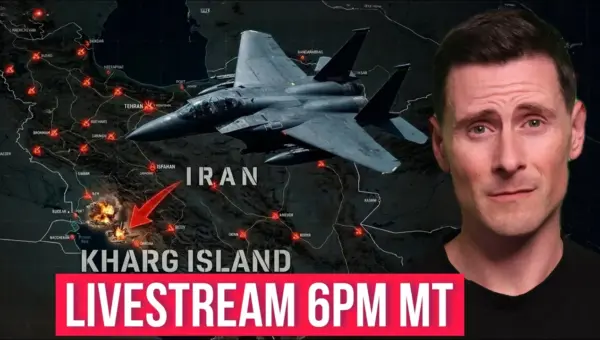
US Air Power Strikes Iran, Warns on Strait of Hormuz
The U.S. military has conducted air strikes on Kharg Island, Iran, targeting military assets. This action follows President Trump's ultimatum for Iran to reopen the Strait of Hormuz. The U.S. warns of further infrastructure action if Iran fails to comply.

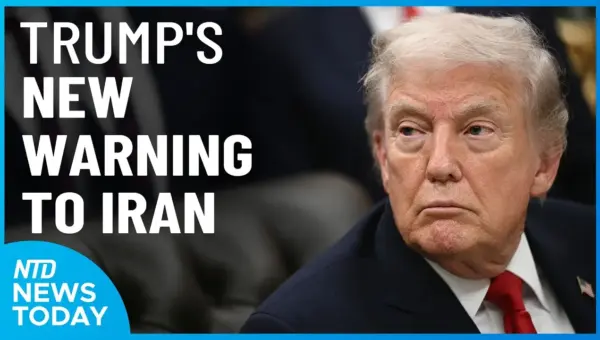
Trump’s Iran Ultimatum: Civilization on the Brink?
President Trump issued a dire warning to Iran with a Tuesday deadline for a deal, fearing "a whole civilization will die." U.S. strikes on Kharg Island occurred, but officials state U.S. strategy remains unchanged. This escalation highlights ongoing tensions and their global implications.
Iran and US Trade Blows as Tensions Spike
The U.S. and Iran are engaged in a dangerous exchange of strikes, with a critical deadline set by President Trump looming over the Strait of Hormuz. Both nations, along with Israel, are escalating military actions, while diplomatic channels remain open but strained.