US Voters Weigh War vs. Wallet Ahead of Elections
American voters are increasingly torn between supporting military action abroad and addressing pressing economic needs at home. This tension is becoming a major factor in political debates and electoral strategies as the nation weighs its global responsibilities against the immediate concerns of its citizens.

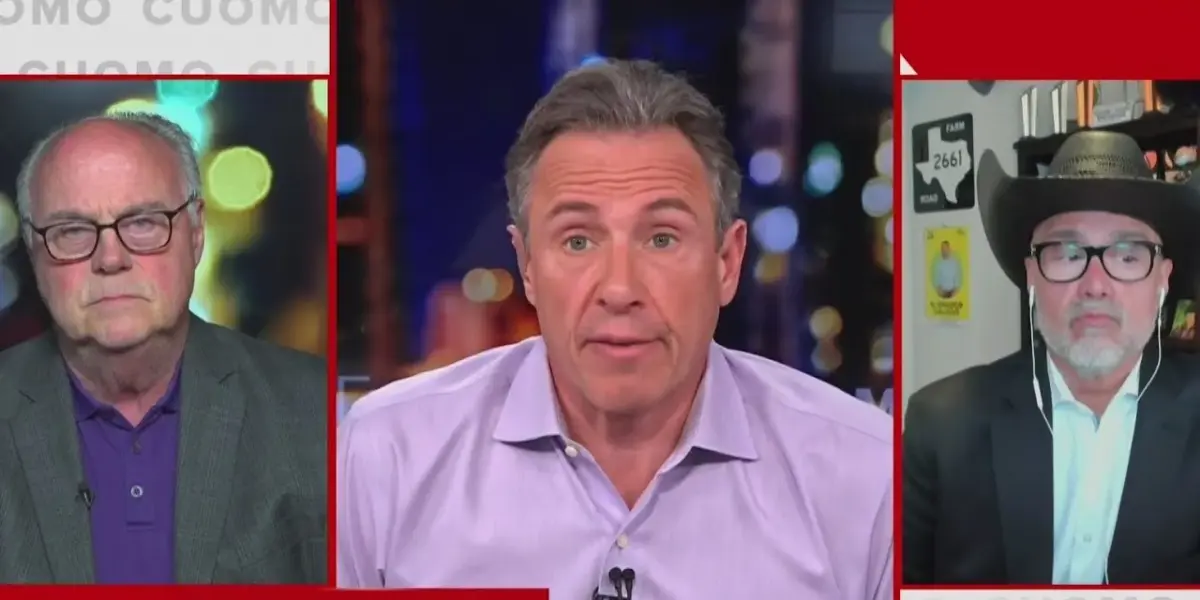
US Voters Weigh War vs. Wallet Ahead of Elections
As the United States grapples with complex foreign policy challenges, a growing debate is emerging at home: how much should domestic concerns like the economy influence decisions about international conflicts and defense spending? This tension between ‘war’ and ‘wallet’ is becoming a key factor in how American voters view their political leaders and parties, particularly as elections approach.
Domestic Needs Clash with Defense Spending
Discussions among political analysts highlight a significant concern: a large segment of the American population feels overlooked, especially when government funds are directed towards overseas conflicts or increased defense budgets. While there’s broad agreement that threats from terrorism are real and need addressing, the question of how to allocate resources is contentious. Some argue that money spent on defense could be better used to help citizens struggling with everyday costs, like making rent.
This viewpoint suggests that the federal government’s primary role should be protecting America and its people. When large sums are proposed for military action, it raises tough questions for politicians trying to sell these plans to voters. The idea of cutting funding from other areas to boost the defense budget is seen as a difficult sell for those focused on the domestic agenda.
Party Lines and Voter Priorities
The current political climate shows a deep divide. On one side, a strong group of Republican voters remain loyal to Donald Trump, generally supporting his decisions regardless of the specifics. On the other, a segment of Democratic voters are inclined to oppose anything Trump proposes. However, a larger, crucial group exists in the middle, often described as the ‘silent majority’ or ‘people in the middle.’
These are voters who feel left behind by all factions of the government. They care about the same issues as everyone else but often disagree on the best ways to solve them. Their primary focus is on their daily lives and immediate needs, such as having enough to eat and being able to pay their bills. For these voters, issues like job security and economic stability often take precedence over foreign policy debates.
The Role of War Success in Public Opinion
The success or failure of military operations abroad could significantly impact public opinion and, consequently, electoral outcomes. If a conflict is perceived as successful, it might bolster support for the administration handling it. Conversely, a prolonged or unsuccessful war could fuel public dissatisfaction and shift support towards candidates promising a change in direction or a focus on domestic issues.
Some analysts argue that voters who prioritize their immediate economic well-being, such as non-college-educated voters who have shown a drop in support for the current President, are more concerned with what is ‘terrorizing their daily lives.’ This suggests that while terrorism is a concern, it may not be the top voting priority for many compared to economic hardship.
Historical Context and Shifting Alliances
Historically, American foreign policy decisions have often been balanced against domestic needs. Following major conflicts or perceived threats, there has been a recurring debate about the nation’s role in the world versus its responsibilities to its own citizens. This dynamic was evident in past decisions regarding military interventions and foreign aid, where public support often hinged on perceived national interest and economic conditions at home.
The current debate echoes past discussions about the balance between national security and economic prosperity. While specific treaties or sanctions were not detailed in the discussion, the underlying tension points to a fundamental question: how does a nation protect its interests abroad while ensuring the well-being of its people at home? The answer to this question will likely shape political landscapes for years to come.
Global Impact: A World of Competing Interests
This internal debate within the United States has broader global implications. As the U.S. navigates its foreign policy, its decisions on international conflicts, trade, and defense spending affect global stability and economic relationships. A focus on domestic issues could lead to shifts in international commitments, potentially altering alliances and the global balance of power. Conversely, a strong stance on foreign policy might signal continued global leadership but could also strain domestic resources and public patience.
The challenge for any U.S. administration is to find a way to address external threats effectively without alienating a significant portion of the electorate concerned with their personal economic security. The outcome of this balancing act will not only determine electoral success but also shape America’s role on the world stage.
Source: Panel debate whether Republicans or Democrats are winning at home | CUOMO (YouTube)

Related Articles


Trump Ditches Vance’s Call, Shows Favor for Rubio
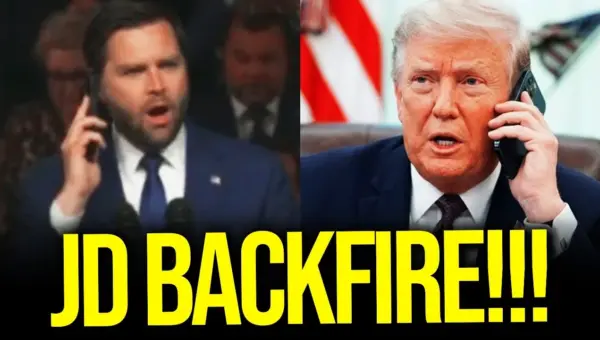
Senator JD Vance's live rally call to Donald Trump went unanswered, leading to an awkward voicemail. The incident suggests a potential cooling of relations between Vance and Trump, with a perceived favoritism towards Senator Marco Rubio.
Trump’s Cold Shoulder: Vance Stumbles on Global Stage
Senator JD Vance faced public embarrassment during a trip to Hungary, appearing uninformed on U.S. actions against Iran and unable to reach Donald Trump by phone. The incident highlights communication breakdowns and raises questions about Vance's diplomatic effectiveness.
25th Amendment Calls: Can JD Vance Act Against Trump?
Searches for the 25th Amendment are spiking as public figures and citizens demand action regarding Donald Trump's behavior. The process hinges on Vice President JD Vance, who must secure support from Congress or the Cabinet to initiate removal. This analysis explores the challenges and potential future actions, including congressional hearings if Democrats regain control.