Trump’s ‘MAD’ Outburst Amid War Woes and Economic Fears
Former President Donald Trump's recent press conference was marked by an erratic outburst over rising gas prices and foreign policy confusion. Amidst public backlash over an unpopular war and growing economic fears of stagflation, questions are mounting about his communication and mental acuity. The political landscape appears to be shifting, with upcoming elections likely to reflect voter desire for change.

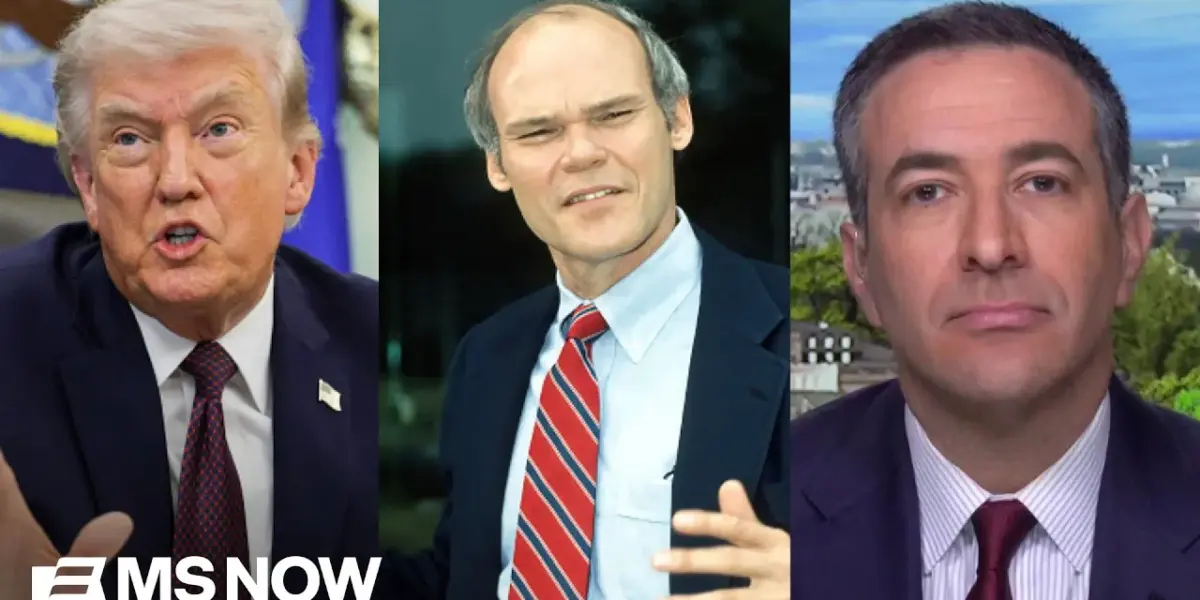
Trump’s ‘MAD’ Outburst Amid War Woes and Economic Fears
Former President Donald Trump displayed unusual anger and confusion during a recent press conference, lashing out at questions about rising gas prices and a controversial foreign policy. The outburst, which saw him abruptly end a line of questioning, has raised concerns about his communication and mental acuity, especially as the nation grapples with economic instability and an unpopular war. This comes as new polling suggests a significant public desire for change, potentially impacting upcoming elections.
Unpopular War, Unclear Mission
The current foreign conflict, described as unpopular from its inception, is facing public backlash. A veteran of the Vietnam era noted the difference between past wars, where individual heroism was evident despite strategic missteps, and the present situation. “Soldiers and airmen and marines and sailors, they’re always going to do their job and they’re always going to do it heroically,” the speaker stated. “But they deserve a mission that has been thought out, not what they’ve been given by this president.” The sentiment is that while the public supports the troops, the mission itself lacks clear planning and public backing.
Economic Woes: Stagflation Fears Rise
Beyond foreign policy, the economy is a major concern for Americans. The word “stagflation” – a dangerous mix of rising prices and a stagnant economy – is increasingly being discussed. “Grocery prices are about to go up some more because of this war,” one observer noted, highlighting the direct impact on household budgets. Anecdotes from gas stations paint a grim picture, with one person reportedly expressing extreme frustration over fuel costs. The question on many people’s minds is, “Does anybody who is not a billionaire know, what are we supposed to do?” This economic anxiety is expected to play a significant role in upcoming midterm elections.
Gas Prices and Political Stickers
Gas prices, a key economic indicator, have become a focal point of public anger. Trump himself pointed to rising gas prices during the press conference, and the suggestion was made that Democrats should use stickers highlighting this issue. “Every Democrat should get a bunch of these stickers and just put them right there on every gas,” the idea was proposed. The reality is that petroleum products, including diesel, are expected to remain high for the foreseeable future. Traders are demanding higher prices, and disruptions to key shipping routes mean these elevated costs are not a short-term problem.
Confusion Over Foreign Policy Actions
The press conference also featured a moment of apparent confusion regarding foreign policy decisions. When asked about rising gas prices, Trump appeared to pivot to a discussion about Greenland, stating, “If you want to know the truth, Greenland, we want Greenland, they don’t want to give it to us. And I said, bye-bye.” This was followed by a perceived connection between being denied Greenland and actions in Iran. “So I got this straight, he couldn’t buy Greenland’s, so he invaded Iran, or bombed Iran more appropriately,” one commentator summarized, expressing bewilderment. “It utterly makes no sense at all.” The lack of clarity and coherence in these statements has led to questions about the president’s focus and decision-making capabilities.
Concerns Over Trump’s Communication and Acuity
The way Trump addressed the public, particularly his walk-off on the gas price question, has led to discussions about his communication skills. “Has he become a less effective communicator perhaps than he once was?” was a question posed. Political analysts are debating his current standing, with some suggesting his average approval ratings are around 35%, indicating he is “scraping the bottom.” Upcoming elections are seen as crucial “tells” for his political future. Even figures within the right-wing media landscape are expressing skepticism. Alex Jones, known for his controversial views, called the situation a “clown show” and expressed worry, stating, “This man is deteriorating at a really rapid rate.” This sentiment is echoed by others who observe what they describe as increasingly erratic behavior and incoherent speech.
Internal Divisions and the Future of the Republican Party
The current political climate is marked by significant infighting within the Republican party. Prominent figures like Tucker Carlson and Megyn Kelly are reportedly clashing with others, reflecting deep divisions. “The end of the Republican Party as we knew it, and they’re all fighting with each other,” was one assessment. This internal conflict is seen by some as a spectator sport, but it also raises questions about the party’s ability to present a united front. Despite Trump’s past comebacks, some believe his current challenges, both political and cognitive, make a significant comeback unlikely, predicting a difficult 2026 election cycle.
Presidential Statements and Public Reaction
A recent weekend post from the president has been described as highly unusual, with some Democrats labeling it as sounding “like a mad man.” Others dismiss it as typical “antics.” The post, made during wartime, has been widely seen as extraordinary. One commentator admitted to a strong personal dislike, making objectivity difficult, but noted that “when I see his face I just go into like a blind rage.” This intense personal reaction, while not objective, points to the deeply polarizing nature of the president and his actions.
Shifting Political Ground and Midterm Implications
There is a strong sense that the political ground in the United States is shifting dramatically. Upcoming special elections are expected to provide further clarity. Polling data indicates a public desire for change. While Trump remains unpopular and the war is viewed negatively, the Democratic Party’s approval ratings are also lagging, often within the margin of error of Republicans. This suggests a complex electoral landscape where voter dissatisfaction with both parties is present. The key takeaway for Democrats, according to one advisor, is to avoid inaction and simply emphasize that they are not Trump, rather than presenting complex policy proposals.
Budget Priorities Under Scrutiny
The president’s proposed budget has drawn significant criticism for its proposed cuts to essential services. Proposed reductions include $8 billion for K-12 schooling, health spending, and humanitarian assistance. A $1 billion cut to the IRS is also included, which critics argue could disproportionately benefit the wealthy, allowing them to avoid taxes while increasing the burden on others. Additionally, proposed cuts to NASA come at a time when space exploration is being celebrated. These budget priorities are being contrasted with the nation’s $40 trillion debt, a figure that has grown significantly since 2016, despite promises to balance the budget.
Democratic Strategy: ‘Basta’
For the upcoming elections, particularly the midterms, the suggested strategy for Democrats is simple: “Basta,” an Italian word meaning “enough.” The advice is not to offer detailed plans but to serve as a clear alternative to Trump. “We’re not him,” is the core message. The focus should be on opposing Trump, not necessarily on proposing a sweeping new agenda. This approach aims to capitalize on voter fatigue and dissatisfaction with the current political climate.
Party Favorability and Electoral Motivation
Current polling shows a close race between the Democratic and Republican parties in terms of favorability. This closeness, while seemingly problematic for Democrats, is explained by the fundamental motivation behind party affiliation: winning elections. “People are part of a political party because they want the party to win elections,” one analyst stated. “You are not supposed to like us, okay?” This perspective suggests that even if the party is currently unpopular, a change in electoral fortunes could significantly alter public perception and support.
Source: 'MAD': Open the 'F-ing' straight & praise 'Allah,' says Trump amid revolt, polling crash, gas spike (YouTube)

Related Articles

Republican Party’s Trump Era: A Reckoning Looms
A sharp critique argues the Republican Party is complicit in the nation's current struggles, urging voters to reconsider their support. The analysis questions the party's benefit to anyone but the wealthy, citing economic hardship as evidence.


Trump Ditches Vance’s Call, Shows Favor for Rubio
Senator JD Vance's live rally call to Donald Trump went unanswered, leading to an awkward voicemail. The incident suggests a potential cooling of relations between Vance and Trump, with a perceived favoritism towards Senator Marco Rubio.
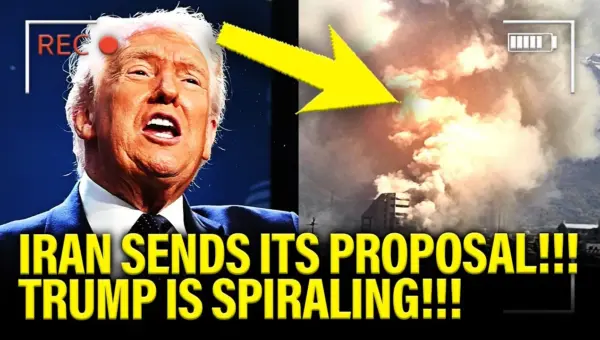
Trump’s Iran Threats Spark War Crimes Fears
Former President Donald Trump's extreme threats against Iran have led to a communication blackout and fears of war crimes. Iran has warned of severe regional retaliation if attacked, while international figures call for Trump's removal from office.