US Threatens Strait of Hormuz Blockade Closure
The U.S. has issued an ultimatum to force the Strait of Hormuz open, signaling potential military and economic actions. This move could significantly impact global oil prices and energy markets.


US Signals Forceful Action on Strait of Hormuz
The United States has issued a strong ultimatum, signaling a potential forceful intervention to ensure the Strait of Hormuz remains open. This strategic waterway is crucial for global oil transport. The administration’s stance suggests a clear objective: to prevent any disruption to this vital shipping lane.
Reports indicate a deliberate and systematic effort to dismantle the offensive capabilities of certain regional actors. This campaign aims to neutralize their ability to pose a threat in the area. The stated goal is to achieve assigned objectives through these targeted actions.
Economic Pressure as a Key Tactic
Beyond military objectives, the U.S. is also signaling a strategy of economic pressure. While not explicitly stated in terms of “economic collapse,” the actions planned target the very foundations of the targeted entities’ financial stability. The message appears to be understood by those receiving it.
“We’re not only on a path here of taking down all of their offensive capability and the ability to be a predator in the region… But he’s also telling them I’m going to force your economic collapse.”
This dual approach combines the degradation of military power with significant economic strain. The aim is to compel compliance and prevent regional destabilization.
Hardliners and Regime Survival
Despite the pressure, it appears that hardline elements remain influential. These individuals, possibly not in the top leadership, are digging in their heels. They may believe that simply surviving the current challenges is a victory in itself. This perspective suggests a willingness to endure hardship for the sake of continued existence.
The U.S. strategy seems designed to strip these entities of their resources and influence. The ultimate objective is to trigger a collapse of the existing regime through enforced economic hardship.
Forcing the Strait Open
The core of the U.S. threat revolves around the Strait of Hormuz. The administration is prepared to either compel the responsible parties to open the strait or take direct action to ensure its passage. This signifies a high level of resolve to maintain freedom of navigation in this critical chokepoint.
Market Impact
The potential closure or disruption of the Strait of Hormuz carries significant implications for global energy markets. This strait is a vital artery for oil and gas shipments, particularly from the Middle East. Any threat to its stability can lead to increased oil prices due to supply concerns.
Investors often react to geopolitical tensions surrounding key energy routes. Increased volatility in oil prices can affect transportation costs, inflation, and the profitability of energy-dependent industries. Companies involved in oil production, refining, and shipping are particularly sensitive to these developments.
What Investors Should Know
The U.S. administration’s assertive stance on the Strait of Hormuz highlights the ongoing geopolitical risks in the Middle East. Investors should monitor developments closely, as they can impact global energy supplies and prices.
Consider the following:
- Oil Prices: Any perceived threat to supply through the Strait of Hormuz could drive up crude oil prices. This impacts everything from gasoline at the pump to the cost of goods transported by sea.
- Geopolitical Risk Premium: Markets may incorporate a higher risk premium for oil, reflecting the uncertainty of supply disruptions.
- Energy Sector Stocks: Companies in the energy sector, especially those with significant Middle Eastern operations or exposure to oil prices, could see their stock values fluctuate.
- Global Economic Outlook: Sustained high energy prices can dampen global economic growth by increasing costs for businesses and consumers.
The long-term implications depend on the de-escalation of tensions and the sustained flow of oil through the strait. However, the short-term can be marked by heightened market sensitivity and price swings.
Source: Gen Keane: We'll force the Strait of Hormuz open #shorts (YouTube)

Related Articles
US Strikes Iran’s ‘Mosquito Fleet’ to Secure Oil Lanes
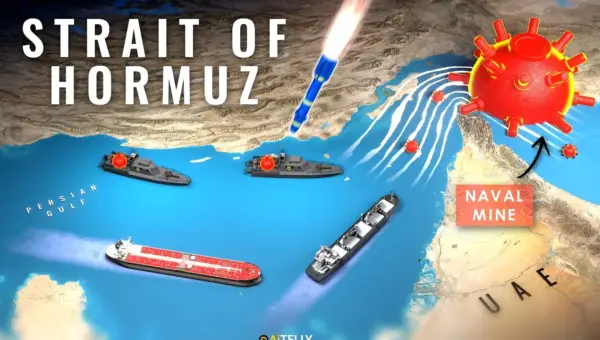
Iran's use of naval mines and fast attack boats in the Strait of Hormuz prompted a decisive US response. The US employed a preemptive strategy, striking mine-laying ships and storage facilities with precision-guided missiles and bombs.
Iran’s Strait of Hormuz Trap: How the US Fights Back
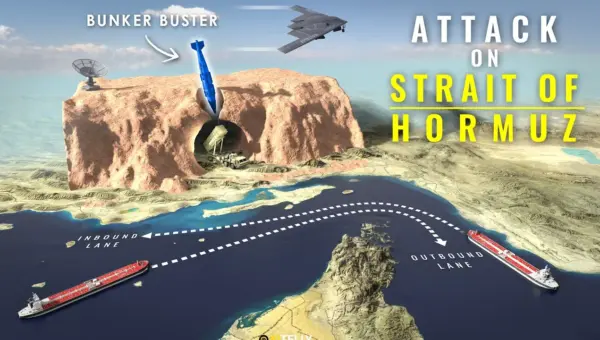
Iran's strategy to control the Strait of Hormuz involves using islands as bases for anti-ship missiles and launching swarm attacks with small boats. The US counters with advanced defense systems, surveillance drones, and powerful bunker-buster bombs, highlighting the ongoing tension in this vital global shipping lane.

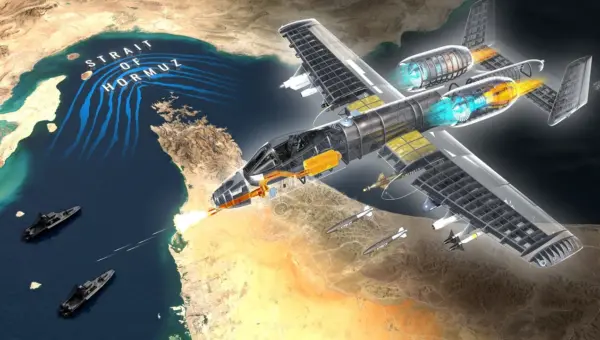
A-10 Warthog Defies Retirement in Hormuz Strait
The U.S. Air Force's plan to retire the A-10 Thunderbolt faces a challenge in the Strait of Hormuz. Its unique design, built for low-and-slow flight and extreme durability, makes it essential for countering small boats and drones in the narrow waterway. The Warthog's ruggedness and specialized firepower prove its continued value.