Iran’s Shadow in US: Soleimani Kin Face Deportation
The Trump administration's move to deport relatives of Qassem Soleimani highlights national security concerns and immigration policy. The niece's alleged support for Iranian propaganda and visa violations form the basis for deportation, while the case against her daughter remains less clear.

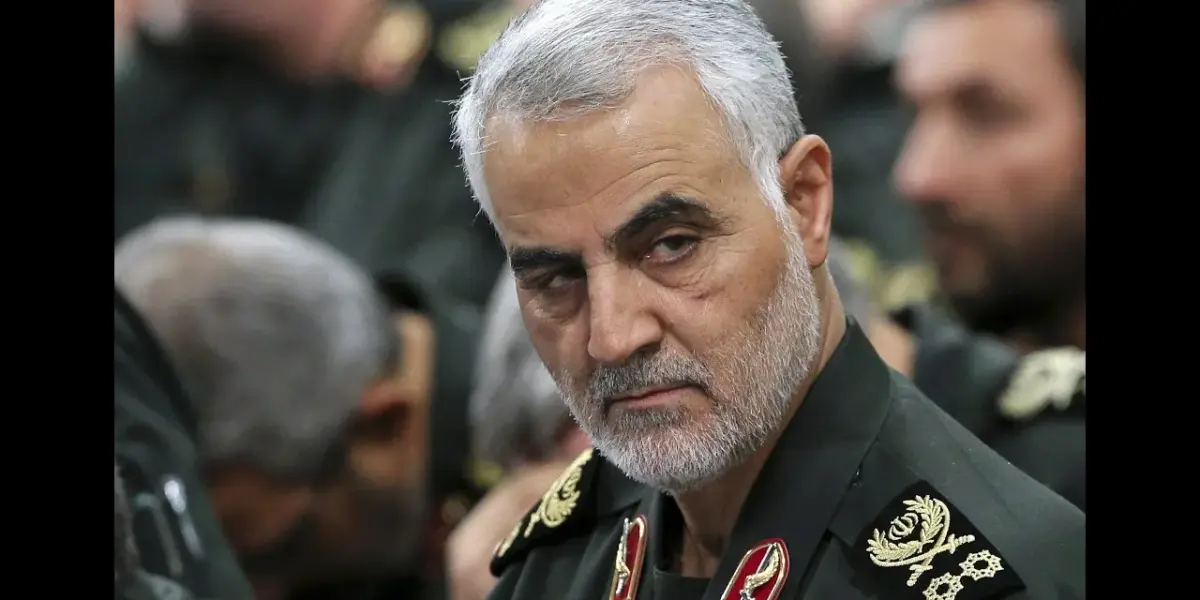
Trump Administration Moves Against Soleimani’s Relatives
The Trump administration took a significant step by moving to deport relatives of Qassem Soleimani, the former head of Iran’s Quds Force. Soleimani was responsible for the deaths of many American soldiers. The individuals targeted were his niece and her daughter, who held permanent residency in the United States. Officials stated the niece used social media to promote Iranian regime propaganda, celebrate attacks on U.S. forces, and voice support for the Islamic Revolutionary Guard Corps, an organization designated as a terrorist group by the U.S.
Reasons for Deportation: National Security and Visa Violations
The administration cited two main reasons for the deportation efforts against Soleimani’s niece. First, there was a national security concern. She had made public statements calling America the “Great Satan” and expressing support for the killing of Americans. These statements, posted on Instagram, raised questions about her loyalty and potential threat to U.S. interests. Such actions could potentially impact her right to reside in the country.
However, the stronger legal case for deportation appears to stem from violations of her asylum and green card status. The niece, who initially came to the U.S. seeking asylum from Iran, had traveled back to Iran four times since being granted asylum. Traveling back to one’s home country after receiving asylum is a clear violation of the terms of the asylum claim and the green card. This violation provides a more straightforward legal basis for the administration to pursue her removal from the United States.
Legal Challenges and Unclear Case Against Daughter
The path to deportation is not immediate. Both women have the right to legal procedures, including hearings, before they can be removed from the country. It is expected that they will challenge the administration’s decision in court, seeking to remain in the U.S. Reports indicate they were living relatively comfortable lives in America.
The legal case against Soleimani’s niece is clearer due to her public statements and visa violations. However, the situation for her daughter, who is Soleimani’s grandniece, is less defined. It is not yet clear what specific actions or statements by the daughter have led to the administration’s actions against her. This uncertainty raises questions about the strength of the case against her, even as the administration moves forward with efforts to deport both women.
Why This Matters: National Security and Immigration Policy
The administration’s actions send a strong message about national security and the conditions of permanent residency and asylum in the United States. Allowing individuals with clear ties to hostile foreign actors, especially those responsible for American deaths, to remain in the country raises legitimate concerns. The U.S. government needs to ensure that those granted residency or asylum are not actively supporting or sympathizing with groups or regimes hostile to American interests.
The potential for espionage or other harmful activities by individuals with such connections cannot be ignored. The government needs to be vigilant about potential operatives or individuals who might be gathering intelligence or facilitating hostile actions. Therefore, taking action against those who have publicly expressed support for enemies of the U.S. or violated their visa terms is seen as a necessary measure to protect national security.
Broader Implications and Future Outlook
This case could have a chilling effect on individuals seeking asylum from certain countries, especially those with strained relations with the U.S. People fleeing oppressive regimes might worry that any perceived connection to their home country’s leadership could jeopardize their claims. However, the administration may frame this as a specific case targeting individuals with clear ties to a designated terrorist organization and a country with which the U.S. is in a state of conflict.
While the focus is currently on Iran, similar approaches could potentially be considered for individuals associated with regimes accused of human rights abuses, such as China. However, the decision to pursue such actions would likely depend on the geopolitical climate and the level of tension between the U.S. and those countries. The Trump administration was known for its unpredictable foreign policy decisions, making it difficult to rule out future similar actions, especially when clear legal grounds exist.
Historical Context
The Quds Force, led by Qassem Soleimani, has been a significant entity in Iranian foreign policy and military operations for decades. Under Soleimani’s command, the force was accused of destabilizing activities in the Middle East and supporting militant groups. His assassination in January 2020 by a U.S. drone strike was a major escalation in U.S.-Iran tensions.
The U.S. immigration system has always navigated a complex balance between offering refuge and ensuring national security. Asylum laws are designed to protect those fleeing persecution, but they also include provisions for revoking status if an individual poses a threat or violates the terms of their stay. This case highlights the ongoing challenge of identifying and addressing potential security risks within the immigration system, particularly when individuals have direct links to adversaries.
The Administration’s Message
The administration appears to be sending a clear message: permanent residency and asylum are privileges, not automatic rights, and they come with responsibilities. Individuals who express support for U.S. adversaries or violate the terms of their legal status risk losing their right to live in the United States. This approach aims to deter individuals from undermining U.S. security interests while residing within its borders.
Ultimately, the case of Soleimani’s relatives underscores the critical intersection of national security, immigration policy, and foreign relations. The legal proceedings and the eventual outcome will be closely watched, offering further insight into how the U.S. government balances humanitarian concerns with the imperative to protect its citizens and interests from foreign threats.
Source: Examining the Legal Basis for Trump Admin’s Arrest of Soleimani’s Relatives (YouTube)

Related Articles

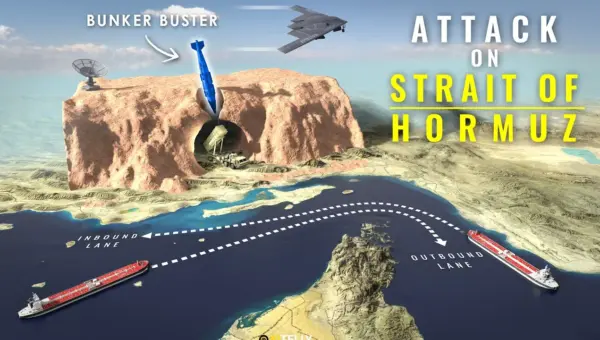
Iran’s Strait of Hormuz Trap: How the US Fights Back
Iran's strategy to control the Strait of Hormuz involves using islands as bases for anti-ship missiles and launching swarm attacks with small boats. The US counters with advanced defense systems, surveillance drones, and powerful bunker-buster bombs, highlighting the ongoing tension in this vital global shipping lane.
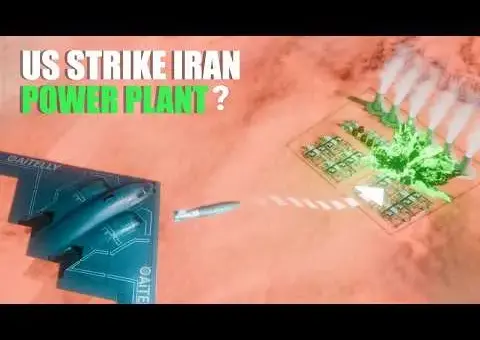
US Aims to Cripple Iran’s Power Grid to Secure Strait of Hormuz
A new US strategy reportedly targets Iran's power grid, including major plants like Damavand, to force open the Strait of Hormuz. The plan involves multi-stage air attacks using advanced bombers and precision munitions to cripple energy infrastructure and cause cascading failures.

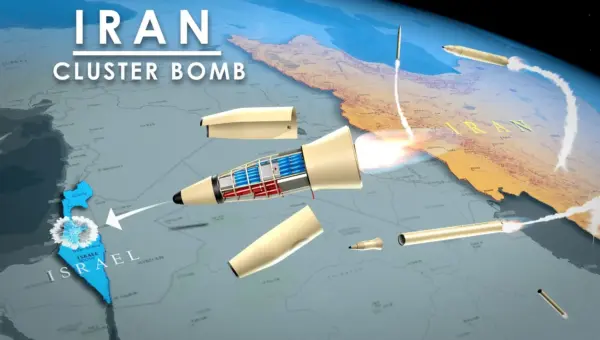
Iran’s Cluster Bombs: A Calculated Gamble to Overwhelm Defenses
Iran's use of cluster bombs against Israel was a deliberate tactic to overwhelm advanced missile defenses. These weapons scatter numerous smaller explosives, making interception difficult. While tactically advantageous, they raise serious humanitarian concerns due to their indiscriminate nature and unexploded ordnance.