Anonymous Tips Could Unlock Guthrie Case, Attorney Claims
An attorney is urging those with information on Nancy Guthrie's disappearance to contact Crime Stoppers instead of the sheriff's department. He believes anonymity and a $100,000 reward will encourage tips, while also criticizing the official investigation's handling of the case.

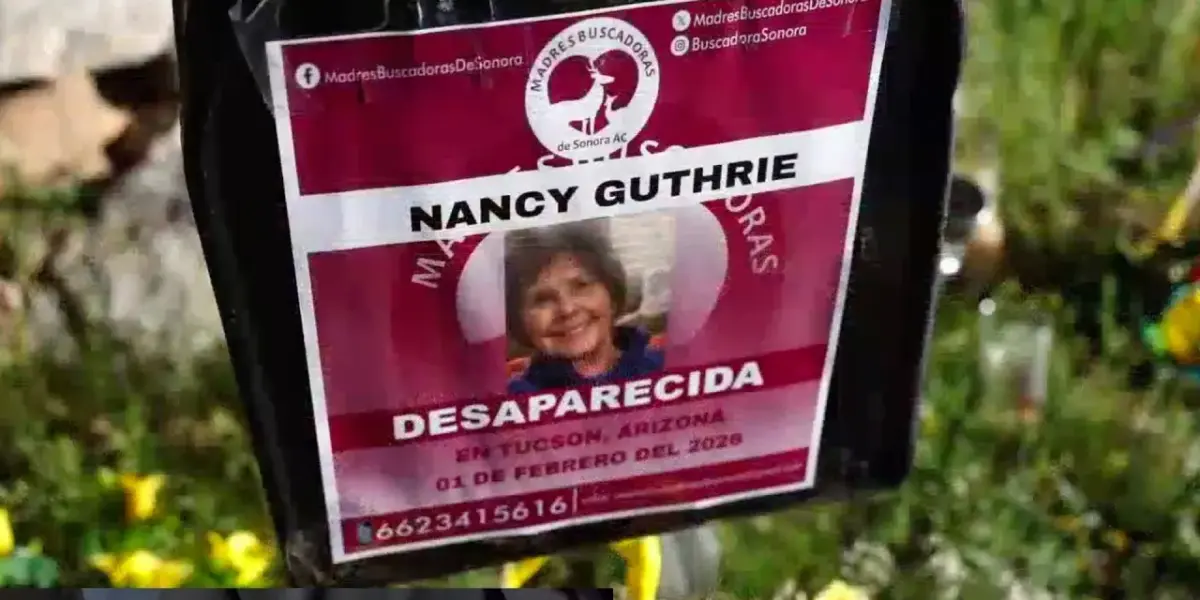
Anonymous Tips Could Unlock Guthrie Case, Attorney Claims
A Minnesota attorney believes the key to solving the disappearance of Nancy Guthrie might lie with Crime Stoppers, not the sheriff’s office. He suggests that offering a reward and ensuring anonymity will encourage people to share vital information. This approach could be crucial in a case that has kept a community on edge and seen a prominent journalist return to work after a lengthy absence.
The Reward and Anonymity Factor
Michael Hoopy, the attorney in question, is putting up $100,000 of his own money as a reward for information that leads to an arrest in the Guthrie case. He told Fox News Digital that he believes people will be more willing to come forward if they can remain anonymous and potentially receive a reward. This is a common strategy in many investigations, aiming to overcome the fear or reluctance some individuals might have about directly contacting law enforcement.
Hoopy specifically advises people with tips to contact Crime Stoppers rather than the Pima County Sheriff’s Department (PCSD). He argues that the Crime Stoppers tip line offers a greater degree of anonymity. This anonymity, he suggests, is vital for encouraging hesitant witnesses to share what they know without fear of reprisal or unwanted attention. It’s like leaving a note in a suggestion box instead of talking to the principal directly.
Criticism of the Sheriff’s Department
The attorney isn’t just offering a reward; he’s also openly criticizing how the Pima County Sheriff’s Department has handled the investigation. While the transcript doesn’t detail the specific criticisms, Hoopy’s public statements suggest a belief that the current investigative approach may not be the most effective. He believes that the sheriff’s department, along with the FBI, does not provide the same level of anonymity as Crime Stoppers. This is a bold accusation, implying that the official channels might be perceived as less secure for whistleblowers.
Savannah Guthrie’s Return
The disappearance of Nancy Guthrie has deeply affected her family, including her daughter, Savannah Guthrie, a well-known anchor on NBC’s Today Show. Savannah recently returned to her anchoring duties after more than two months away, a clear indication of the personal toll the situation has taken. Her return to the public eye, while a sign of strength, also highlights the ongoing nature of the mystery and the family’s desire for answers.
Why This Matters
This situation brings to light an important aspect of criminal investigations: the psychology of tipsters. Law enforcement agencies often rely on public assistance to solve cases, and how they solicit that assistance can make a significant difference. The attorney’s strategy suggests a belief that traditional methods might not be reaching everyone who has information. By emphasizing anonymity and a financial incentive, Hoopy is attempting to tap into a different pool of potential informants.
The effectiveness of anonymous tip lines is well-documented, as they often protect individuals who might fear being identified. However, the quality and reliability of information from anonymous sources can vary. The challenge for investigators is to verify these tips while maintaining the promised anonymity. It’s a delicate balance that requires careful handling.
Historical Context and Future Outlook
The use of rewards and anonymous tip lines is not new. For decades, law enforcement agencies have partnered with organizations like Crime Stoppers to gather information. These programs have been instrumental in solving numerous crimes by providing a safe conduit for concerned citizens. The idea is simple: make it easy and safe for people to do the right thing.
The attorney’s involvement and his direct criticism of the official investigation add another layer to this case. It raises questions about inter-agency cooperation and the best practices for handling sensitive investigations. The future of the Guthrie case likely depends on whether this alternative approach to gathering tips yields actionable intelligence. If Hoopy’s strategy proves successful, it could influence how similar cases are approached in the future, emphasizing the power of anonymity and reward in compelling people to speak up.
Ultimately, the goal remains the same: to find Nancy Guthrie and bring closure to her loved ones. Whether the information comes through the sheriff’s department, the FBI, or an anonymous tip to Crime Stoppers, any credible lead could be the one that breaks the case open. The community, and indeed the nation, will be watching closely, hoping for a resolution.
Source: Tips on Guthrie Case Should Be Made to Crime Stoppers, Not Sheriff: Attorney (YouTube)

Related Articles


DNA Tech Offers New Hope in Nancy Guthrie Abduction Case
The search for Nancy Guthrie, abducted from her Arizona home, intensifies with new details emerging and the potential of investigative genetic genealogy to crack the case. Concerns about the initial investigation's handling and the family's plea for help continue.


Ransom Notes Shift: Bitcoin Demand Rocks Missing Person Case
A new ransom note in the Nancy Guthrie case demands half a Bitcoin, raising questions about the sender's motives and methods. This shift to cryptocurrency highlights evolving criminal tactics and challenges for law enforcement, contrasting sharply with the family's million-dollar cash reward.

US Media Scrutinizes Police Work in Savannah Guthrie’s Mother’s Case
NBC's Savannah Guthrie has returned to the Today show while the investigation into her mother's disappearance stalls. Experts question the effectiveness of local law enforcement and the lack of prosecutorial involvement, as fraudulent tips and potential money-related motives are explored. The case highlights the complex and often agonizing reality of long-term missing person investigations.