Trump Ultimatum: Iran Faces Strikes or Talks
Iran faces a critical deadline as President Trump demands the opening of the Strait of Hormuz, threatening major air strikes if demands aren't met. The ultimatum comes amid complex internal Iranian politics and highlights significant geopolitical risks for global markets.

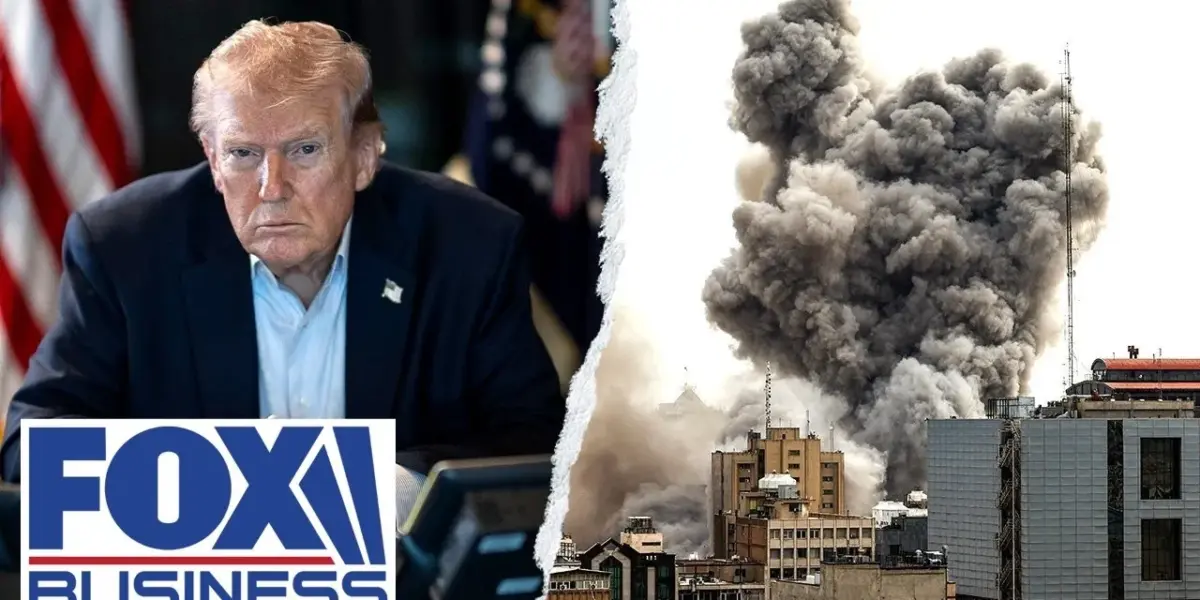
Iran Faces Critical Deadline as Trump Demands Strait of Hormuz Opening
Tensions are escalating with Iran as President Trump has issued a stark ultimatum: open the Strait of Hormuz or face major air strikes. A deadline looms, with a 8:00 P.M. Eastern Time tomorrow marking a potential turning point. The President is demanding Iran take more action to end the ongoing conflict and has not ruled out deploying U.S. ground troops.
Complex Rescue Operation Highlights Military Prowess
The recent daring rescue of a pilot deep behind enemy lines served as a powerful demonstration of U.S. military capability. Unlike operations with weeks or even days for planning, this mission required extreme adaptability and agility from a highly trained force. Special operations forces, known for their constant readiness, executed the operation flawlessly. This heroic effort underscores the exceptional skill and dedication of American fighting men who are willing to put their lives on the line for others.
The Strait of Hormuz: A Vital Global Chokepoint
The Strait of Hormuz is a narrow waterway that connects the Persian Gulf to the open sea. It is a critical route for oil tankers, with a significant portion of the world’s oil passing through it daily. Control of this strait gives considerable economic and strategic power.
Iran’s Internal Power Dynamics Complicate Negotiations
Expert analysis suggests that negotiating a peaceful resolution with Iran is challenging due to its internal political structure. While elected officials like the President and parliamentary leaders are visible, true power is believed to reside with the Islamic Revolutionary Guard Corps (IRGC) and the internal security apparatus. This division means that even if an agreement is reached with one faction, it may not be honored by another, leading to internal strife and conflicting agendas. This makes reaching a stable deal by the upcoming deadline seem unlikely.
Potential for Major Air Strikes and Military Action
If Iran does not meet the demands, the U.S. is prepared to launch significant air strikes targeting Iran’s power plants, bridges, and other vital infrastructure. The goal, as stated by President Trump, is to effectively cripple these facilities overnight. There is also the possibility of the U.S. military taking control of key strategic locations like Kharg Island and the Strait of Hormuz itself. This aggressive stance highlights the high stakes involved for both nations.
International Pressure Mounts
The European Union is also urging Iran to open the Strait of Hormuz and cease attacks on Middle Eastern nations. However, much of the media’s focus remains on President Trump’s assertive messaging. The broader strategic picture, involving Iran’s nuclear program and its readiness to negotiate, appears to be overshadowed by the immediate demands regarding the strait.
What Investors Should Know
The situation presents significant geopolitical risk, which can impact global markets, particularly oil prices. Any escalation of conflict could lead to supply disruptions, causing price volatility. Investors should monitor developments closely, as military actions or major diplomatic shifts could have ripple effects across various sectors, including energy, defense, and international trade. The uncertainty surrounding Iran’s response and the potential for wider conflict adds a layer of caution for global economic outlooks.
Long-Term Implications
The outcome of this standoff could shape regional stability for years to come. A forceful military response might temporarily achieve U.S. objectives but could also lead to prolonged instability and retaliatory actions. Conversely, a diplomatic breakthrough, however unlikely it seems now, could ease tensions and foster a more predictable environment. The internal power struggles within Iran also suggest that even if a short-term resolution is found, underlying issues may persist, requiring continued international attention and careful strategic engagement.
Source: This Trump move would be a ‘FATAL’ mistake, ex-Navy SEAL warns (YouTube)

Related Articles
Iran and US Trade Blows as Tensions Spike
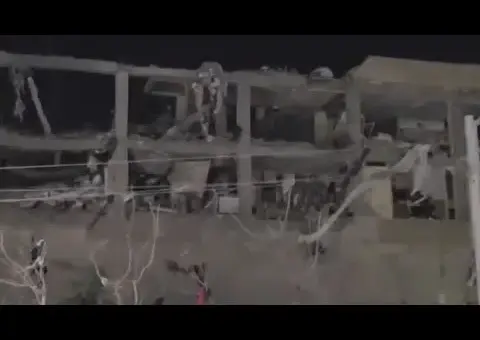
The U.S. and Iran are engaged in a dangerous exchange of strikes, with a critical deadline set by President Trump looming over the Strait of Hormuz. Both nations, along with Israel, are escalating military actions, while diplomatic channels remain open but strained.


Trump Ditches Vance’s Call, Shows Favor for Rubio
Senator JD Vance's live rally call to Donald Trump went unanswered, leading to an awkward voicemail. The incident suggests a potential cooling of relations between Vance and Trump, with a perceived favoritism towards Senator Marco Rubio.
Trump’s Iran Threats Spark War Crimes Fears
Former President Donald Trump's extreme threats against Iran have led to a communication blackout and fears of war crimes. Iran has warned of severe regional retaliation if attacked, while international figures call for Trump's removal from office.