China Fuels Iran’s War: Xi’s Deceptive Two-Front Strategy
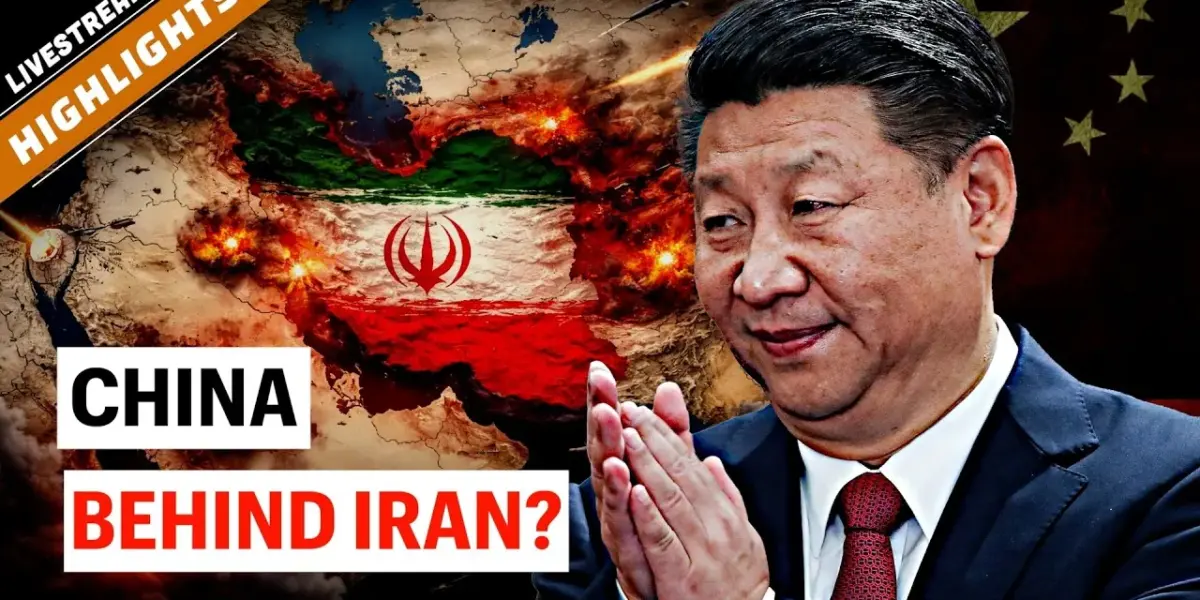
A Chinese scholar alleges China is secretly supplying Iran with military tech and equipment, fueling its conflict. This is reportedly part of Xi Jinping's strategy to bog down the US and create space for China's own ambitions.

China Fuels Iran’s War: Xi’s Deceptive Two-Front Strategy
A Chinese dissident scholar, Professor Yan Honging, suggests a startling claim: China, not Russia, is the true power behind Iran’s ongoing conflict. He believes China’s Communist Party (CCP) is secretly supplying Iran with military equipment and technology. This support, he argues, is part of a larger plan by Chinese President Xi Jinping. The goal? To bog down the United States in a prolonged conflict, similar to Afghanistan. This would free up China to potentially make a move on Taiwan.
Professor Yan, who lives in Australia, says he received this information from contacts within China’s government. He describes a “two-faced strategy” from Xi Jinping. On one hand, China is trying to improve its image with the United States. This includes toning down aggressive language and having Pakistan, a Chinese ally, help with peace talks between the US and Iran. China is also buying American goods like soybeans and considering large orders from Boeing. This is seen as an effort to gain favor with former President Trump and stabilize relations on the surface.
A Hidden Supply Chain
However, Professor Yan says this is only one side of the story. Behind the scenes, he claims China is actively helping Iran’s military. This support comes through two main routes. One is a northern route, going through Russia and across the Caspian Sea. The other is a southern route, going through Pakistan by land. China is reportedly sending various types of military equipment through these channels. These supplies are not a one-time thing; they are continuous.
The Bato navigation system, crucial for Iran’s long-range missile strikes, relies heavily on Chinese support. Iran’s drones and missile systems also get core technologies, electronic warfare systems, and even raw materials from China. Professor Yan even states that Chinese military engineers helped design many of Iran’s underground bunker systems, some as deep as 400 meters. These hidden facilities are designed to protect key military assets.
Propaganda and Promises
China is also said to be running an information war. Its propaganda aims to convince the world that Iran remains strong and that the US is struggling in the conflict. These narratives are not just in China; they are being echoed in some Western media outlets too. This helps create a public perception that may not match the reality on the ground.
Beyond physical supplies and propaganda, Professor Yan points to a more critical form of support. He claims that Chinese technical personnel in Iran, who entered the country disguised as helpers, are actually acting as intelligence operatives. These individuals are reportedly offering political assurances to Iran’s Revolutionary Guard Corps (IRGC) officers. The promise? Political asylum in China if they continue fighting, even if Iran faces defeat. This assurance, according to Professor Yan, is key to keeping the IRGC’s morale high and their willingness to fight strong.
Russia as a Facade?
Professor Yan believes that what we see on the surface—Iran fighting and Russia assisting—is only the outer layer. He suggests that Russia’s involvement might be less significant than it appears. Russia is already heavily involved in the war in Ukraine, stretching its military and economic resources. If Russia is still active in supporting Iran, it might be doing so with Chinese backing. His main point is that China is the primary force keeping Iran’s regime alive.
Why This Matters
If Professor Yan’s claims are accurate, this situation has major implications. It means the conflict in the Middle East is not just a regional issue; it’s becoming a direct confrontation involving China. China’s strategy aims to weaken the US by drawing its resources into a long, costly war. This could distract the US from other areas of concern, like China’s growing influence in the South China Sea and its intentions towards Taiwan. It also highlights a sophisticated, dual approach by Xi Jinping: appearing cooperative on one front while secretly undermining rivals on another.
Historical Context and Future Outlook
China’s growing assertiveness on the world stage is not new. For years, Beijing has been increasing its military power and expanding its global economic reach. This alleged strategy in the Middle East fits a pattern of challenging US influence. The current conflict in Iran, if fueled by China, could be a repeat of past proxy conflicts where major powers supported opposing sides. The long-term outlook suggests that China may continue to use such indirect methods to advance its strategic interests. This approach allows Beijing to gain influence and weaken adversaries without direct military confrontation, a tactic that is difficult for other nations to counter effectively.
The situation demands careful observation. The apparent cooperation China shows towards the US on one hand, while secretly supporting Iran on the other, is a complex balancing act. If this strategy succeeds, it could embolden China to pursue similar tactics elsewhere. It also raises questions about the reliability of international agreements and the true intentions of global powers. Understanding this alleged “double game” is crucial for navigating the future of international relations and potential conflicts.
Source: Is China Secretly Powering Iran’s War? Inside Xi’s Double Game (YouTube)

Related Articles
US Aims to Cripple Iran’s Power Grid to Secure Strait of Hormuz
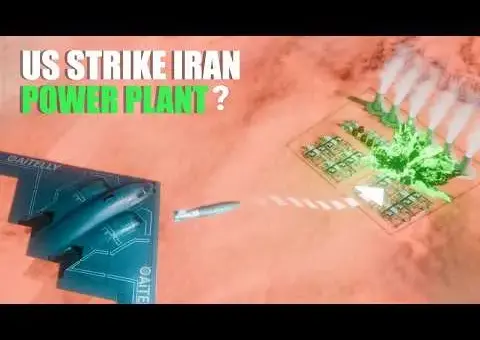
A new US strategy reportedly targets Iran's power grid, including major plants like Damavand, to force open the Strait of Hormuz. The plan involves multi-stage air attacks using advanced bombers and precision munitions to cripple energy infrastructure and cause cascading failures.
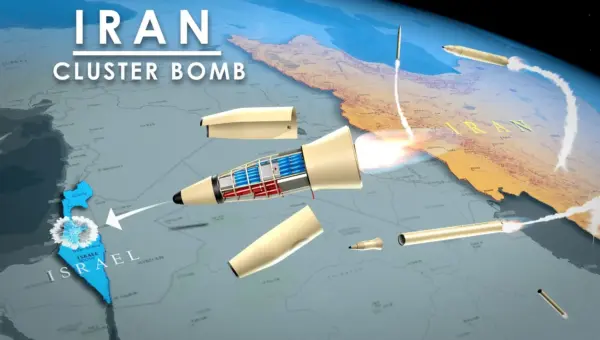
Iran’s Cluster Bombs: A Calculated Gamble to Overwhelm Defenses
Iran's use of cluster bombs against Israel was a deliberate tactic to overwhelm advanced missile defenses. These weapons scatter numerous smaller explosives, making interception difficult. While tactically advantageous, they raise serious humanitarian concerns due to their indiscriminate nature and unexploded ordnance.
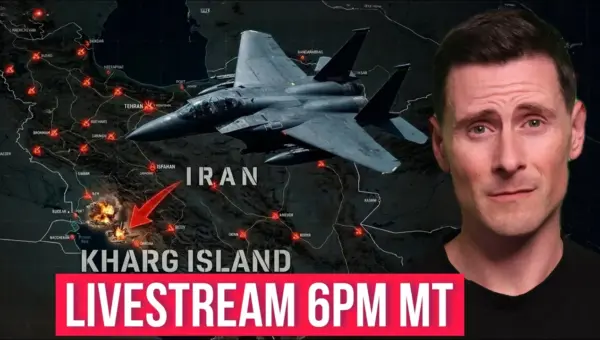
US Air Power Strikes Iran, Warns on Strait of Hormuz
The U.S. military has conducted air strikes on Kharg Island, Iran, targeting military assets. This action follows President Trump's ultimatum for Iran to reopen the Strait of Hormuz. The U.S. warns of further infrastructure action if Iran fails to comply.