White House Easter Roll: A Patriotic Celebration with Global Undertones
The White House hosted its annual Easter Egg Roll, blending family fun with patriotic celebrations for America's 250th birthday. President Trump also addressed international affairs, including a firm stance on Iran.

White House Easter Roll: A Patriotic Celebration with Global Undertones
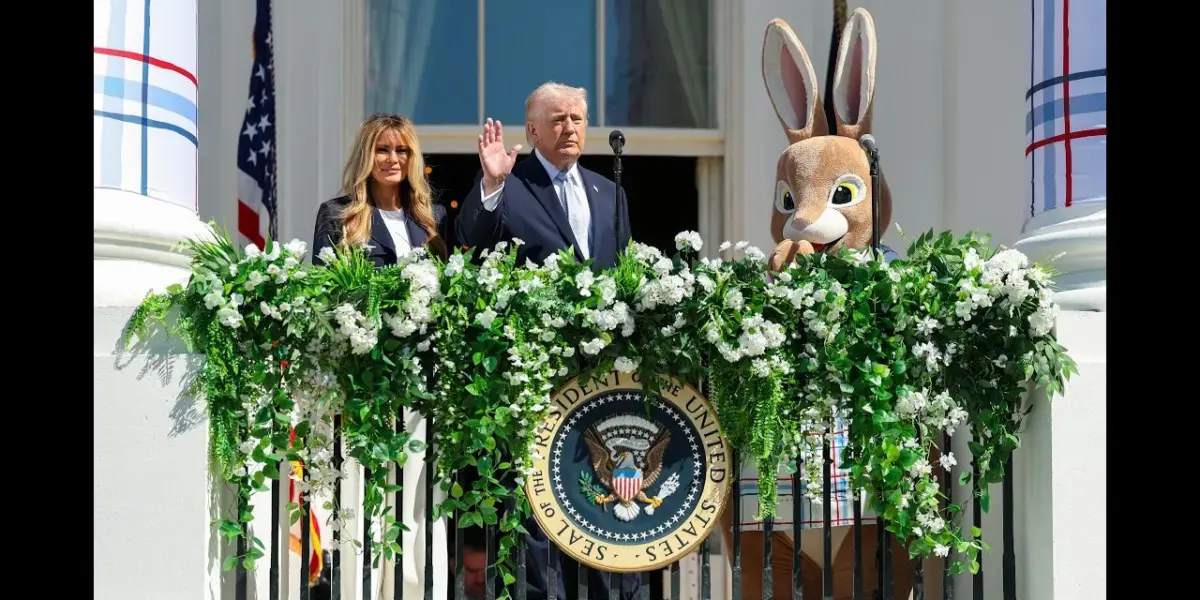
This past Easter Monday, the White House grounds buzzed with activity as President Trump and First Lady Melania Trump hosted the annual Easter Egg Roll. The historic event, a cherished tradition, this year also served as a special celebration of America’s 250th birthday. It was a day filled with family fun, patriotic themes, and, for the President, a platform to discuss significant international events.
A Day of Celebration and Reflection
President Trump kicked off the festivities by calling it a “very special day.” He spoke about celebrating faith and the honor of leading the United States. He also highlighted what he sees as the country’s remarkable success, stating it’s doing “so well like it has never done before.” This sentiment was echoed by the presence of families with children 13 and younger, who joined the President, the First Lady, and White House staff on the South Lawn for the egg-rolling fun.
Honoring America’s Past and Future
The Easter Egg Roll has a long history, with the first one held in 1878 under President Rutherford Hayes. This year’s event leaned heavily into patriotism, with decorations and activities designed to honor America’s upcoming 250th anniversary. The event was expected to draw a large crowd, with estimates suggesting up to 50,000 people might attend the festivities.
“So, today is a very special day. It’s a day where we celebrate Jesus. It’s a day where we celebrate religion. And it’s an honor to be the president of the United States.”
International Affairs Intersect with Domestic Traditions
While the South Lawn was filled with the joy of the Easter celebration, the President also used the occasion to address pressing international matters. He took questions from reporters regarding a recent rescue operation in Iran. The President described the operation as taking place in “very hostile territory” and acknowledged the strength of the fighters involved.
He mentioned a Tuesday deadline he had set for Iran to reach a deal, emphasizing its finality. The President expressed that while negotiations were ongoing, he believed the current Iranian leadership was more “reasonable” than previous administrations, even calling the shift “total regime change.” He explained his perspective by stating that the first two groups of leaders were “lunatics” but the current group is “much smarter.”
The Iran Situation: A Closer Look
When questioned about Iran’s ability to shoot down a U.S. aircraft, the President attributed it to luck, stating, “When you do thousands and thousands of flights and you have one plane shot down, they got a little bit lucky.” He also suggested that if he had his way, the U.S. would take oil from Iran. Furthermore, he voiced a sentiment that he believes many Americans share: a desire for the U.S. military to come home.
Historical Context of the Easter Egg Roll
The White House Easter Egg Roll began in 1878. President Ulysses S. Grant signed the Egg Roll Act into law in 1877, which prevented children from rolling eggs on the Capitol lawn. This led to President Rutherford B. Hayes moving the event to the White House grounds the following year. The tradition has continued almost every year since, becoming a beloved symbol of spring and family gatherings at the executive mansion.
Why This Matters
The annual White House Easter Egg Roll is more than just a fun event for families. It serves as a powerful symbol of tradition and continuity in American public life. Hosting the event allows the First Family to connect directly with citizens, offering a glimpse into the more personal side of the presidency. This year, the integration of patriotic themes celebrating America’s 250th birthday added another layer, reinforcing national identity and historical pride.
However, the inclusion of international policy discussions, particularly concerning Iran, highlights the constant balancing act of the presidency. Even during moments of national celebration, global affairs demand attention. The President’s comments on Iran, including his strong stance on negotiations and his assessment of the regime, provide insight into his foreign policy approach and his perspective on national security. These remarks, made amidst a backdrop of family festivities, underscore the dual nature of the presidential role – both a domestic figurehead and a global leader.
Implications and Future Outlook
The President’s remarks about Iran could have significant implications for diplomatic relations and regional stability. His assertion of “total regime change” and his comments on the perceived reasonableness of the current Iranian leadership suggest a potential shift in U.S. strategy. The deadline for a deal and the focus on oil resources indicate that economic and political pressure remain key tools in his foreign policy arsenal.
Looking ahead, the effectiveness of this approach will be closely watched. Will the negotiations lead to a de-escalation of tensions, or will they further complicate the already complex geopolitical landscape? The desire for U.S. troops to return home, as expressed by the President, also points to a potential re-evaluation of America’s role in international conflicts. The Easter Egg Roll, while a symbol of domestic unity, also served this year as a stage for the President to project his vision for America both at home and abroad.
Source: President, First Lady Host White House Easter Egg Roll (YouTube)

Related Articles
Dem Rep. Calls Trump’s Iran Threats ‘Apocalyptic’
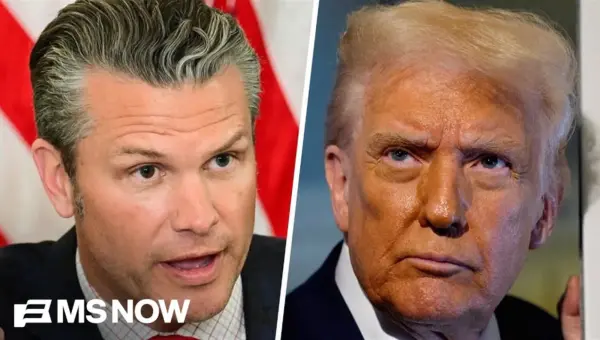
Democratic Congresswoman Yasemin Anzari has strongly condemned President Trump's "apocalyptic" threats against Iran, warning of potential genocide and nuclear war. She is calling for the 25th Amendment to be invoked and is introducing articles of impeachment against Defense Secretary Pete Hegseth. Anzari fears the President's rhetoric could strengthen the Iranian regime and harm its people.
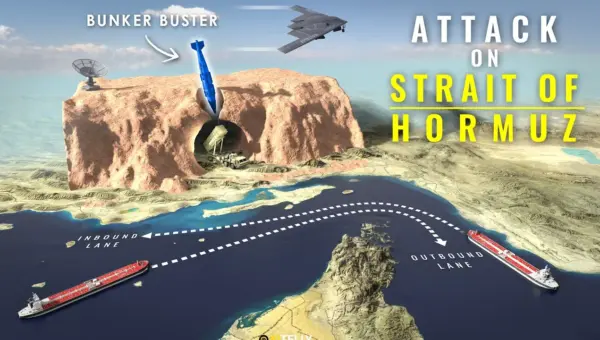
Iran’s Strait of Hormuz Trap: How the US Fights Back
Iran's strategy to control the Strait of Hormuz involves using islands as bases for anti-ship missiles and launching swarm attacks with small boats. The US counters with advanced defense systems, surveillance drones, and powerful bunker-buster bombs, highlighting the ongoing tension in this vital global shipping lane.
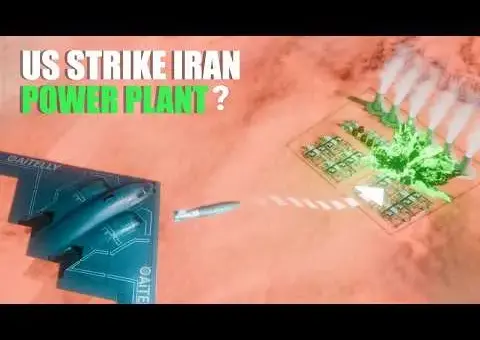
US Aims to Cripple Iran’s Power Grid to Secure Strait of Hormuz
A new US strategy reportedly targets Iran's power grid, including major plants like Damavand, to force open the Strait of Hormuz. The plan involves multi-stage air attacks using advanced bombers and precision munitions to cripple energy infrastructure and cause cascading failures.