Trump’s Iran Threats Ignite Global Alarm Bells
President Trump's recent press conference, filled with threats against Iran and casual revelations of classified information, has sent shockwaves globally. Amidst escalating Israeli airstrikes and a diplomatic stalemate, the situation highlights dangerous trends in international relations and raises serious concerns for global stability.


Trump’s Iran Threats Ignite Global Alarm Bells
The world watched with growing concern as President Trump held a White House press conference that sounded more like a war declaration. In a chaotic and alarming announcement, Trump threatened to destroy key Iranian infrastructure by midnight the next day. He specifically mentioned demolishing every bridge and power plant in Iran. This aggressive stance came amid escalating tensions between the US and Iran, drawing immediate international attention and worry.
Adding to the alarm, Trump casually shared what appeared to be classified information about US special forces operating inside Iran. This disclosure raised serious questions about national security and the handling of sensitive military operations. He also made a controversial claim, stating that Iranians were “willing to suffer” the destruction of their own country’s infrastructure. This statement seemed to dismiss the potential human cost of such drastic actions.
Escalating Conflict and Israeli Actions
The situation has been heating up with recent Israeli airstrikes targeting Iran. One significant strike destroyed Iran’s largest petrochemical facility, a major blow to its economy. Another attack hit Sharif University, often referred to as Iran’s MIT, a leading center for science and technology. These actions show a clear pattern of escalating military engagement in the region.
The Pentagon has also presented a high-risk plan to President Trump. While details remain unclear, the nature of the plan suggests it involves significant military action. This presentation to the President indicates a readiness to move forward with more aggressive strategies in the ongoing conflict.
Iran’s Response and Diplomatic Stalemate
In response to the mounting pressure, Iran has taken its own steps. Feeling emboldened, perhaps by perceived US vulnerabilities or simply by defiance, Iran sent back a “maximalist” counter-proposal. This offer was delivered through Pakistan. However, it came after Iran had already rejected Trump’s request for a ceasefire. This indicates a deep diplomatic stalemate, with neither side willing to back down significantly.
The exchange highlights the complex dynamics at play. While the US pushes for de-escalation on its terms, Iran appears to be seeking a stronger negotiating position. The use of Pakistan as an intermediary suggests a desire to maintain some distance or perhaps a lack of direct communication channels.
Historical Context of US-Iran Tensions
The current crisis did not emerge from a vacuum. Relations between the United States and Iran have been fraught with tension for decades. Following the 1979 Iranian Revolution, diplomatic ties were severed, and animosity has largely defined their interactions. Events like the Iran hostage crisis and subsequent sanctions have created a deep-seated mistrust between the two nations.
More recently, the US withdrawal from the Iran nuclear deal in 2018 and the reimposition of sanctions significantly increased tensions. This period saw a rise in aggressive rhetoric and actions from both sides, including naval incidents in the Persian Gulf and drone strikes. The current conflict represents a dangerous escalation of these long-standing issues, bringing the region closer to a wider war.
Why This Matters
The rhetoric and actions described have profound implications for global stability. Direct threats to civilian infrastructure and the casual discussion of classified military operations by a head of state are deeply concerning. Such actions can easily lead to miscalculation and unintended escalation, potentially drawing in other regional and global powers.
The economic impact of destroying infrastructure like petrochemical facilities cannot be overstated. It would disrupt global energy markets, affect supply chains, and lead to widespread economic hardship. Furthermore, the human cost of such conflict, even if framed as acceptable by leaders, is immense. Civilian lives, displacement, and long-term suffering are the inevitable consequences of war.
Implications, Trends, and Future Outlook
This situation highlights a disturbing trend in international diplomacy, where aggressive posturing and threats can overshadow reasoned negotiation. The casual disclosure of military secrets suggests a potential disregard for established protocols and security measures. This could embolden adversaries and create new vulnerabilities.
Looking ahead, the path forward is uncertain and precarious. The lack of a clear diplomatic resolution and the continued military posturing increase the risk of a wider conflict. The international community faces the challenge of de-escalating the situation before it spirals further out of control. The potential for miscalculation remains high, making every action and statement critical.
The future outlook depends heavily on the choices made in the coming days and weeks. A return to dialogue, even through intermediaries, is essential. However, the current trajectory suggests a continued reliance on military options and confrontational rhetoric. This approach risks further destabilizing an already volatile region and has global repercussions.
Source: LIVE: MeidasTouch RESPONDS to MAJOR BREAKING NEWS – 4/6/26 (YouTube)

Related Articles


Dem Rep. Calls Trump’s Iran Threats ‘Apocalyptic’
Democratic Congresswoman Yasemin Anzari has strongly condemned President Trump's "apocalyptic" threats against Iran, warning of potential genocide and nuclear war. She is calling for the 25th Amendment to be invoked and is introducing articles of impeachment against Defense Secretary Pete Hegseth. Anzari fears the President's rhetoric could strengthen the Iranian regime and harm its people.
Iran’s Strait of Hormuz Trap: How the US Fights Back
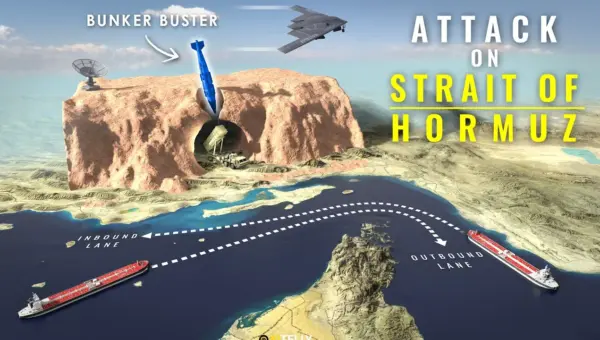
Iran's strategy to control the Strait of Hormuz involves using islands as bases for anti-ship missiles and launching swarm attacks with small boats. The US counters with advanced defense systems, surveillance drones, and powerful bunker-buster bombs, highlighting the ongoing tension in this vital global shipping lane.
US Aims to Cripple Iran’s Power Grid to Secure Strait of Hormuz
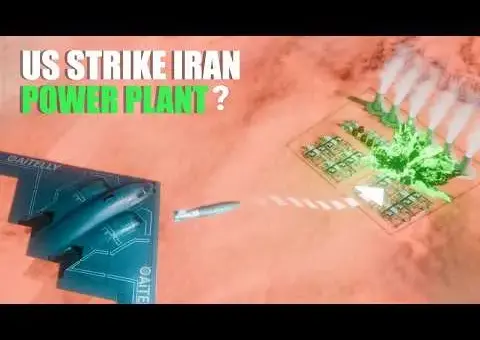
A new US strategy reportedly targets Iran's power grid, including major plants like Damavand, to force open the Strait of Hormuz. The plan involves multi-stage air attacks using advanced bombers and precision munitions to cripple energy infrastructure and cause cascading failures.