Ex-Ambassador Slams Trump’s Iran Threats as ‘Gangster Politics’
Former British Ambassador to Iran, Sir Richard Dalton, has condemned Donald Trump's threats against Iran as "gangster politics" and potential war crimes. Diplomatic efforts for a ceasefire are stalled, with Iran rejecting temporary measures. Dalton also criticized Israel's influence on U.S. policy and questioned Trump's fitness to lead.

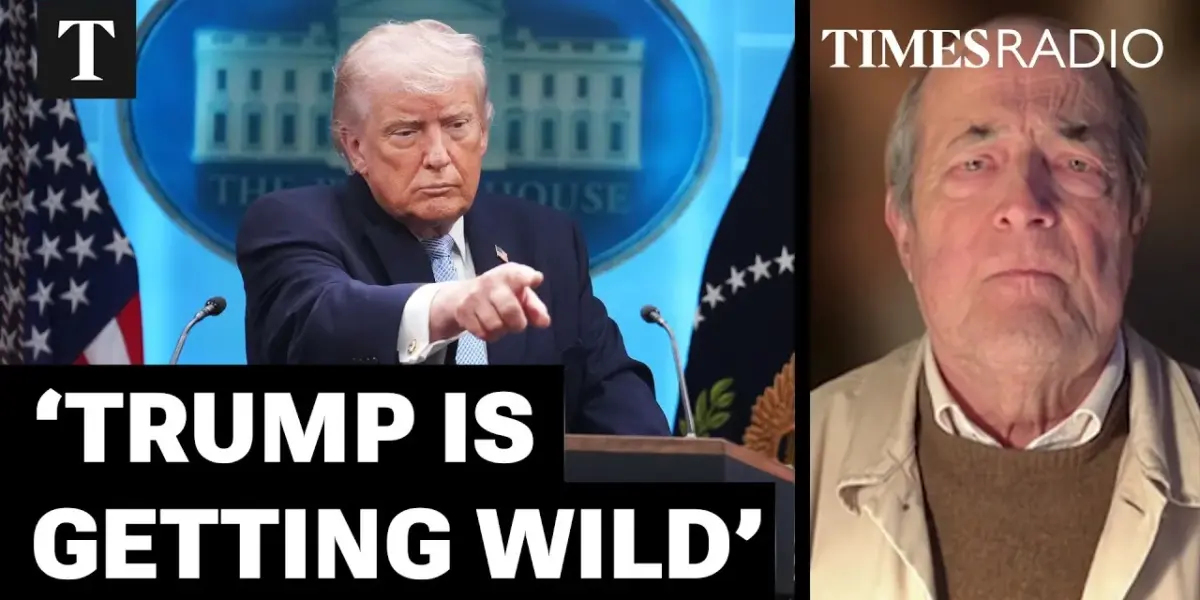
Trump’s Iran Threats Called ‘Gangster Politics’ by Former Ambassador
Former British Ambassador to Iran and Libya, Sir Richard Dalton, has strongly criticized Donald Trump’s aggressive rhetoric towards Iran, labeling it as “gangster politics.” Trump had threatened to decimate Iran’s civilian infrastructure, including every bridge and power plant, within a four-hour window if a deal wasn’t reached by a self-imposed deadline. Dalton argued these threats constitute war crimes and betray a “savagery and brutality” in U.S. military and political direction.
Diplomatic Efforts Stall Amidst Stark Threats
Diplomatic talks aimed at de-escalating tensions between the United States and Iran appear to be at an impasse, despite efforts by intermediaries like Pakistan, Egypt, and Turkey. Axios reported that the U.S. proposed a 45-day ceasefire, which Iran rejected, seeking a definitive end to hostilities instead. While both nations have expressed interest in reopening the Strait of Hormuz, the conditions attached by each side remain vastly different.
Iran seeks assurances against future aggression, leveraging its influence over the Strait of Hormuz and the global economy. The United States, meanwhile, aims to legitimize its involvement in the conflict, which Dalton suggests was never justified. A key sticking point is Iran’s refusal to open the Strait of Hormuz as part of any temporary ceasefire, demanding a permanent resolution first.
War Crimes Allegations Surface Over Civilian Infrastructure Threats
Sir Richard Dalton, speaking on the diplomatic situation, condemned Trump’s threats to target civilian facilities. He stated that destroying bridges and power plants, if not directly linked to immediate military objectives, would be considered war crimes. Dalton emphasized that international law protects civilian infrastructure, and targeting it disproportionately would violate norms of conflict and civilian protection.
“If the bridge is just using to enable Iranian civilians to get to work, to get the supplies they need and to conduct normal civilian life, then destroying it is disproportionate to any conceivable military aim and is a war crime,” Dalton explained. He added that such actions would place the U.S. in the position of a “rogue nation” among its Western allies.
Israel’s Influence Questioned in U.S.-Iran Standoff
Dalton also pointed to the significant influence of Israel in shaping U.S. policy towards Iran. He suggested that the U.S. is struggling to distance itself from Israel’s desire to see Iran become a “totally failed state.” The former ambassador believes that the “latitude” given to Israel by the Western alliance over the years has contributed to the current “disastrous situation.”
He noted that even U.S. commentators discussing the conflict often fail to mention Israel’s role, despite its significant contribution to the global economic instability and the Middle East crisis. Dalton argued that politicians should openly call out this U.S. subservience to Israel, which he described as being “never so acute as it is now.”
Broader Implications for International Relations and NATO
Beyond the immediate Iran crisis, the discussion touched upon Trump’s broader approach to international relations. His comments about NATO being a “paper tiger” and his fixation on acquiring Greenland were highlighted. Dalton countered Trump’s assessment of NATO, stating that a balance of forces, not the absence of fear of Russia, ensures peace in Europe.
The former ambassador questioned Trump’s fitness to lead the United States, urging a more robust public discussion in the UK about his actions and remarks. Dalton stressed that such “outrageous remarks totally unanchored from fact” should be challenged, especially given their significant impact on ordinary citizens’ lives.
What’s Next in the Iran Standoff?
With diplomatic channels strained and aggressive rhetoric dominating the discourse, the path forward remains uncertain. The U.S. and Iran must find common ground on the terms of a ceasefire and a permanent resolution. The role of international intermediaries will be crucial in facilitating dialogue, while the international community watches closely to see if diplomacy can prevail over threats of war crimes and the potential for wider regional conflict.
Source: Donald Trump’s Iran Threats Are ‘Gangster Politics’, Says Former Ambassador To Iran (YouTube)

Related Articles
Trump’s Iran Threat Looms as Artemis II Reaches New Space Heights
Former President Trump issued a stern warning to Iran regarding a potential deal, while the Artemis II mission achieved a new distance record in space. The Education Department also announced it is rescinding Title IX agreements related to gender identity policies.


Astronauts Shatter Space Record, Trump Hails New Lunar Era
NASA's Artemis 2 astronauts have achieved a historic milestone, flying farther from Earth than any humans before. The record-breaking mission around the moon also included a touching tribute and a renewed vision for lunar and Martian exploration.

Iran Tensions Spike, Defense Budget Soars, DHS Shutdown Continues
Iran escalates threats in the Gulf, demanding a deal to reopen the Strait of Hormuz or face retaliation. Simultaneously, a massive $1.5 trillion defense budget is proposed in the U.S., while the Department of Homeland Security remains in a protracted shutdown. The debate over Cuba policy also intensifies, with China stepping in to aid the island nation.