Trump Threatens Iran’s Civilian Targets, Risks Global Oil Shock
President Trump has escalated threats against Iran, warning of 'total destruction' of its civilian infrastructure if a deal isn't reached by a specific deadline. Amidst these warnings, reports of ceasefire discussions and rising oil prices highlight the complex geopolitical and economic stakes.

Trump Escalates Rhetoric, Threatens ‘Total Destruction’ of Iran
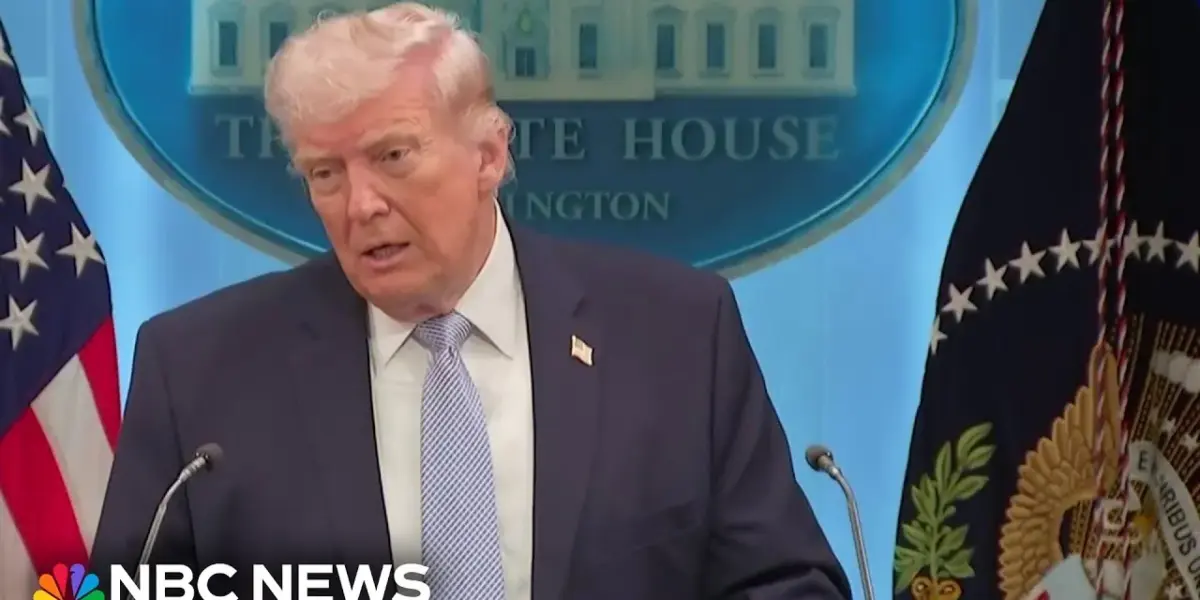
President Trump has intensified his threats against Iran, warning of the country’s potential “total destruction” if a deal is not reached by a specific deadline. Speaking from the White House briefing room, Trump stated that Iran’s entire civilian infrastructure, including power plants and bridges, could be “decimated” within hours if Tehran does not comply with his demands, particularly regarding the opening of the Strait of Hormuz.
The President set a deadline of 8:00 PM Eastern Time, after which he vowed to strike critical infrastructure, plunging Iran into the “Stone Ages.” This aggressive stance follows a profanity-laced social media post over the weekend where Trump explicitly threatened Iran with severe consequences if the Strait of Hormuz was not opened.
“The entire country can be taken out in one night, and that night might be tomorrow night,” President Trump stated. When pressed about the potential legality of targeting civilian infrastructure, he expressed hope he wouldn’t have to carry out the threats but offered little clarity on the war’s duration, saying, “I can’t tell you, I don’t know. It depends what they do.”
Mixed Signals on Ceasefire and Negotiations
Amidst the escalating threats, reports have emerged of a potential 45-day ceasefire being discussed. A White House official confirmed to NBC News that such a possibility is among many being considered, though details remain scarce regarding who the administration is negotiating with.
President Trump himself acknowledged that Iran has made a “significant step” in negotiations, calling them an “active, willing participant” seeking a deal. However, Iran’s state media has reportedly rejected the idea of a temporary ceasefire, emphasizing a need for a permanent end to the conflict.
The President defended his use of vulgar language in his social media posts, stating it was “only to make my point.”
Focus on Military Operations and Leaks
The press conference also touched upon recent military operations, including the rescue of U.S. airmen. President Trump detailed the operation, highlighting the bravery of the personnel and the advanced capabilities of the U.S. military. He noted that some senior military officials had expressed concerns about the daring nature of the rescue mission, fearing potential loss of life and equipment.
Notably, President Trump also addressed the leak of information regarding the rescue operation, threatening jail time for the leaker and vowing to pursue the media company that released the information. He described the leak as a threat to national security that endangered the operation and made the rescue of a second airman more difficult.
“We’re looking very hard to find that leaker. So whoever it is, we think we’ll be able to find it out because we’re going to go to the media company that released it and we’re going to say national security, give it up or go to jail,” President Trump declared.
Economic Impact: Rising Oil Prices and Global Concerns
The escalating tensions and threats have had a direct impact on global markets, particularly oil prices. Crude oil prices have risen, with experts warning that further escalation could push prices significantly higher, leading to increased costs at the gas pump for consumers.
Christine Romans, NBC News Senior Business Correspondent, explained the economic implications: “When supply goes down, demand is still relatively high, that means prices go up.” She cautioned that even if the Strait of Hormuz were to reopen, the effects on gas prices would not be immediate due to complex supply chain issues. The situation is described as a “global oil shock that we haven’t seen in a generation.”
Expert Analysis: No Clear Winners
Former Secretary of Defense Leon Panetta assessed the situation, stating that while military objectives may have been largely achieved, the key challenge remains securing a ceasefire and addressing the Strait of Hormuz. He warned that striking civilian infrastructure could escalate the conflict and lead to higher oil prices, concluding, “There aren’t any winners here.”
Military analyst Colonel Steve Warren noted that Iran’s military capabilities, while degraded, are not eliminated. He cautioned against assuming air superiority equates to invulnerability, highlighting the continued threat posed by individual weapons systems and ground threats.
Regarding potential retaliation from Iran if the U.S. strikes civilian infrastructure, Colonel Warren suggested strikes against civilian infrastructure in the Gulf region, such as desalination plants and oil and natural gas facilities, could be expected, leading to further escalation.
Looking Ahead
As the deadline approaches, the world watches closely to see if diplomacy will prevail or if President Trump’s threats of widespread destruction will be carried out. The economic consequences, particularly for global energy markets, remain a significant concern, underscoring the high stakes involved in the ongoing conflict.
Source: There are no ‘winners’ if Trump strikes Iran’s civilian infrastructure: Former defense secretary (YouTube)

Related Articles
Trump’s Iran Threat Looms as Artemis II Reaches New Space Heights
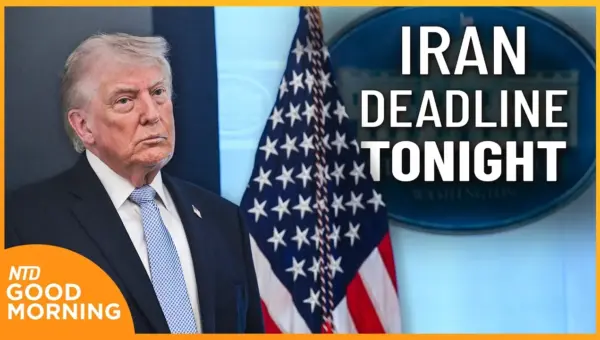
Former President Trump issued a stern warning to Iran regarding a potential deal, while the Artemis II mission achieved a new distance record in space. The Education Department also announced it is rescinding Title IX agreements related to gender identity policies.


Astronauts Shatter Space Record, Trump Hails New Lunar Era
NASA's Artemis 2 astronauts have achieved a historic milestone, flying farther from Earth than any humans before. The record-breaking mission around the moon also included a touching tribute and a renewed vision for lunar and Martian exploration.

Iran Tensions Spike, Defense Budget Soars, DHS Shutdown Continues
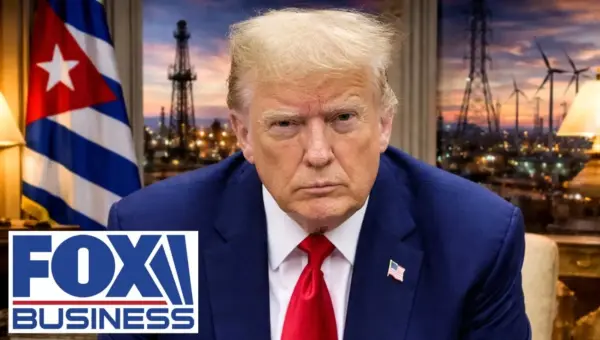
Iran escalates threats in the Gulf, demanding a deal to reopen the Strait of Hormuz or face retaliation. Simultaneously, a massive $1.5 trillion defense budget is proposed in the U.S., while the Department of Homeland Security remains in a protracted shutdown. The debate over Cuba policy also intensifies, with China stepping in to aid the island nation.