US Rescues Airmen, Escalates Tensions with Iran
The US successfully executed a complex rescue of two airmen from Iran, showcasing military prowess. However, this has led to escalating threats from President Trump, including a deadline for Iran to comply with demands or face widespread strikes on its infrastructure.

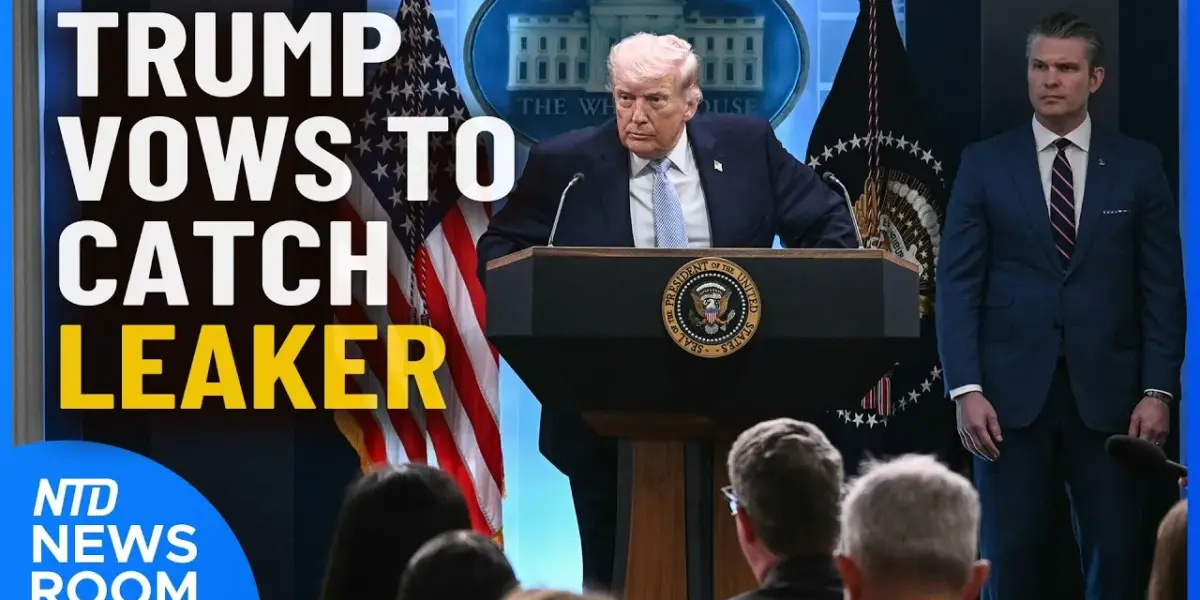
US Rescues Airmen, Escalates Tensions with Iran
In a dramatic display of military might, the United States successfully rescued two American airmen from Iran. President Trump hailed the operation as one of the most complex and harrowing combat search and rescue missions ever attempted. The daring mission involved over 150 aircraft and highlighted the US military’s exceptional capabilities.
A Daring Rescue Operation
The rescue mission unfolded over treacherous mountain terrain. One airman, shot down on Good Friday, evaded capture for nearly 48 hours. He treated his own wounds and used a sophisticated emergency transponder to signal his location. His first message upon rescue was a simple, powerful “God is good.” The operation concluded on Easter Sunday, with the airmen safely extracted from Iranian territory without any US casualties.
Retired US Navy Captain Armen Kurdian described the mission as showcasing the United States’ unmatched logistical and tactical prowess. He noted that while some may question the vast investment in the Department of Defense, such capabilities are essential in times of crisis. This operation avoided the pitfalls of past rescue attempts, like the hostage rescue mission under President Carter, which faced significant challenges and setbacks. The success demonstrated precise coordination, secure communications, and swift decision-making under extreme pressure.
Escalating Threats and Diplomatic Deadlines
Following the rescue, President Trump issued a stern warning to Iran. He stated that Iran would face increased US strikes, threatening to cripple the country’s infrastructure. A deadline was set for Iran to accept US demands and reopen the Strait of Hormuz. Failure to comply would result in the destruction of Iran’s power plants and bridges within hours.
During a press conference, reporters questioned the potential impact of striking Iranian infrastructure on the civilian population. President Trump responded that the Iranian people desire freedom and are willing to endure hardship for it. He also addressed concerns about potential opposition within the US military to the rescue mission, stating that while some individuals had reservations, top leadership supported the operation.
Iran’s Strategic Game Plan
Captain Kurdian offered insights into Iran’s motivations and strategy. He suggested that the Iranian regime’s primary goal is survival and the continuation of its Islamic revolution. The leadership, described as fanatical, may be operating on a degree of irrationality. They are likely seeking a way to save face internationally, especially given their support for various proxy groups in the Middle East.
“They are hoping to wait out the president because you know they’re watching the news and they are seeing a lot of the president’s allies in Congress saying, you know, they can read the tea leaves… we’re not going to let you continue this on ad infinitum.”
– Armen Kurdian, Foreign Policy and National Security Analyst
Kurdian believes Iran may be playing a waiting game, hoping to outlast President Trump’s term. He pointed to the long-term strategies employed by China as a potential parallel. This approach relies on patience and the belief that US resolve might wane over time.
The Strait of Hormuz: A Critical Chokepoint
The control of the Strait of Hormuz remains a central point of contention. Iran has previously threatened to block passage, a move that would significantly impact global oil supplies. Kurdian explained that Iran possesses the capability to disrupt shipping, potentially causing massive oil spills that could physically block the strait for extended periods.
He also highlighted the need for long-term infrastructure solutions, such as building pipelines to bypass the Strait of Hormuz, to reduce its strategic importance. While Iran’s actions would also harm its own economy, the potential for widespread damage to regional energy infrastructure is significant. Kurdian expressed hope that a diplomatic solution could be found to de-escalate the situation and avoid further conflict.
Why This Matters
This incident underscores the ongoing volatility in US-Iran relations. The successful, albeit risky, rescue mission demonstrates the US military’s formidable capabilities. However, the subsequent escalation of threats and the imposition of strict deadlines highlight a confrontational approach that could lead to wider conflict. The situation also raises questions about the long-term effectiveness of such tactics in achieving diplomatic goals and the potential humanitarian consequences of targeting civilian infrastructure.
Implications and Future Outlook
The events signal a period of heightened tension and potential military action in the Middle East. Iran’s strategic calculations, focused on regime survival and potentially waiting out US policy shifts, suggest a prolonged period of uncertainty. The global economy, particularly energy markets, remains vulnerable to disruptions in the Strait of Hormuz. The US faces the challenge of balancing its security interests with the risks of escalation and the potential for unintended consequences.
Historical Context
US-Iran relations have been fraught with tension since the 1979 Islamic Revolution. Incidents involving military assets, threats to shipping lanes, and proxy conflicts have been recurring features of this relationship. The current escalation is part of a broader pattern of strategic competition and brinkmanship, where military capabilities are often used as tools of deterrence and coercion.
Source: Hunt For Leaker Of Iran Rescue Mission; Rescue Operation Details Revealed | NTD Newsroom (April 6) (YouTube)

Related Articles

Trump’s Rhetoric and Health Concerns Fuel Global Unease
Recent public appearances by Donald Trump have fueled concerns about his health and the aggressive nature of his rhetoric. His threats towards Iran, coupled with puzzling public statements and a focus on unusual topics, raise significant questions about his fitness for office and the potential impact on global stability and domestic policy.

Trump’s Iran Threat Looms as Artemis II Reaches New Space Heights
Former President Trump issued a stern warning to Iran regarding a potential deal, while the Artemis II mission achieved a new distance record in space. The Education Department also announced it is rescinding Title IX agreements related to gender identity policies.

Iran Tensions Spike, Defense Budget Soars, DHS Shutdown Continues
Iran escalates threats in the Gulf, demanding a deal to reopen the Strait of Hormuz or face retaliation. Simultaneously, a massive $1.5 trillion defense budget is proposed in the U.S., while the Department of Homeland Security remains in a protracted shutdown. The debate over Cuba policy also intensifies, with China stepping in to aid the island nation.