Iran Strait Threat Puts Global Oil Flow at Risk
Tensions are high around the Strait of Hormuz, a vital global oil shipping route. Experts warn that Iran has the capacity to disrupt this waterway with relatively simple tactics, potentially impacting global energy prices. The situation underscores the geopolitical risks affecting international trade.

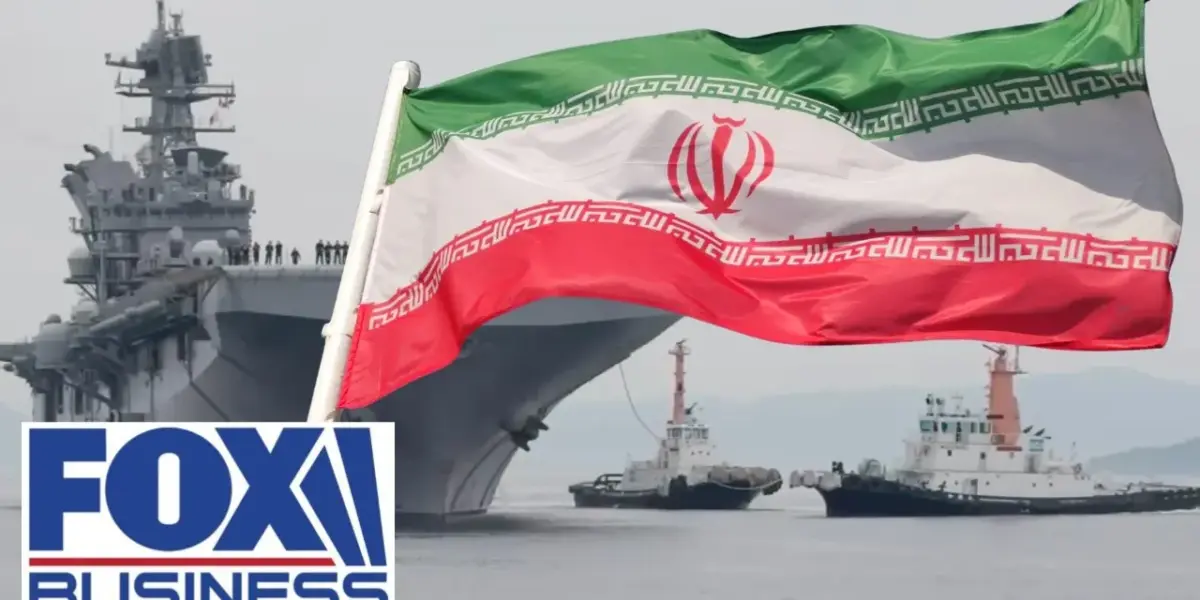
Iran Strait Threat Puts Global Oil Flow at Risk
Tensions are escalating around the Strait of Hormuz, a critical waterway for global oil transport. President Trump has warned that major oil tankers could face significant risks if they attempt to transit the strait. This comes as an ever-changing deadline approaches for Iran to reopen the strategic waterway. Both countries are reportedly reviewing proposals for a 45-day ceasefire agreement, but uncertainty remains high.
Ian Bremmer, a geopolitical expert, believes President Trump may find a way to delay the deadline once again. He explained that a full military strike against Iran’s infrastructure carries substantial economic costs for allies and the world. “He clearly doesn’t really want to engage in strikes against all this critical infrastructure against Iran,” Bremmer stated. He added that Iran still has the capacity to strike back against Gulf allies.
Disrupting the Strait: Easier Than You Think
Bremmer emphasized that Iran does not need a large military operation to disrupt the Strait of Hormuz. “It doesn’t take much for the Iranians to disrupt the strait,” he said. Simple tactics like deploying water mines, even if only suspected, can make shipping companies and their insurers nervous. These mines can be transported in large trucks and dropped into the water.
Furthermore, Iran’s use of drones presents another challenge. These drones can be operated from small, mobile platforms like pickup trucks, making them very difficult to track and eliminate. “It is very hard to take these drones out,” Bremmer noted. Iran also possesses ballistic missiles, and even after being targeted, they have shown the ability to recover stockpiles quickly.
This military capability makes it extremely difficult for external forces to completely prevent Iran from disrupting the strait. As a result, diplomatic engagement continues, though trust between the U.S. and Iran is low. Bremmer described Iran’s approach as “extend and pretend,” suggesting they may drag out negotiations without reaching a genuine deal.
Global Dependence on the Strait
The Strait of Hormuz is vital for international trade, especially for oil. While the United States has achieved energy independence, it still relies on certain energy products, like diesel and specific grades of fuel, that come from the Gulf. The current higher prices for American gasoline and diesel are partly linked to these supply concerns.
Beyond oil, the strait is crucial for transporting fertilizers, plastics, and other essential goods. Bremmer pointed out that while the U.S. economy is less vulnerable than many others, American voters are feeling the impact of potential disruptions. “Our economy is less vulnerable than many other economies in the world, but I promise you with, American voters — I don’t care who they voted for — they’re feeling the consequence of the strait being closed,” he stated.
Many countries heavily depend on the oil and gas that pass through the Strait of Hormuz. However, only the United Arab Emirates has publicly committed to joining the U.S. in efforts to secure the waterway. Bremmer suggested this lack of broader international support stems from a reluctance to back military actions that could lead to Iran shutting down the strait entirely. He mentioned that allies might support limited military actions, but not those risking a complete blockade of this crucial shipping lane.
Market Impact and Investor Considerations
The ongoing tensions in the Strait of Hormuz create significant uncertainty for global energy markets. Any disruption to oil flow could lead to price spikes, impacting everything from transportation costs to manufacturing. Investors in energy companies, shipping firms, and related industries should monitor developments closely.
The situation highlights the geopolitical risks inherent in energy markets. While the U.S. is less directly dependent on Gulf oil for its own energy needs, global supply chains and market prices are still affected. This can translate into volatility for stock markets and commodity prices worldwide.
For investors, understanding these geopolitical dynamics is crucial. The potential for supply disruptions, even if temporary, can create trading opportunities but also significant risks. Diversification and a long-term perspective are key when navigating markets influenced by such events.
Source: It is ‘EXTREMELY HARD’ to stop Iran from doing this: Expert (YouTube)

Related Articles


Trump Threatens Iran’s Infrastructure in Hormuz Standoff
President Trump has threatened to cripple Iran's infrastructure, including bridges and its power grid, if it continues to harass shipping in the Strait of Hormuz. Former Congressman Bob McEwen explained this strategy aims to force Iran to negotiate by severely damaging its operational capacity. The discussion also addressed the potential for such actions to be considered war crimes, with McEwen distinguishing between infrastructure attacks and the targeting of civilians.


Trump’s Rhetoric and Health Concerns Fuel Global Unease
Recent public appearances by Donald Trump have fueled concerns about his health and the aggressive nature of his rhetoric. His threats towards Iran, coupled with puzzling public statements and a focus on unusual topics, raise significant questions about his fitness for office and the potential impact on global stability and domestic policy.


Trump’s Iran Threat Looms as Artemis II Reaches New Space Heights
Former President Trump issued a stern warning to Iran regarding a potential deal, while the Artemis II mission achieved a new distance record in space. The Education Department also announced it is rescinding Title IX agreements related to gender identity policies.