Pentagon Purge Fuels Fears Amidst Escalating Iran Conflict
The U.S. military faces internal turmoil as Defense Secretary Pete Heges dismisses over a dozen senior leaders, including the Army Chief of Staff. Occurring amid escalating tensions with Iran, these actions are being called a "purge," raising fears of politicization and instability. This shake-up comes as public support for the conflict dwindles and economic concerns rise.

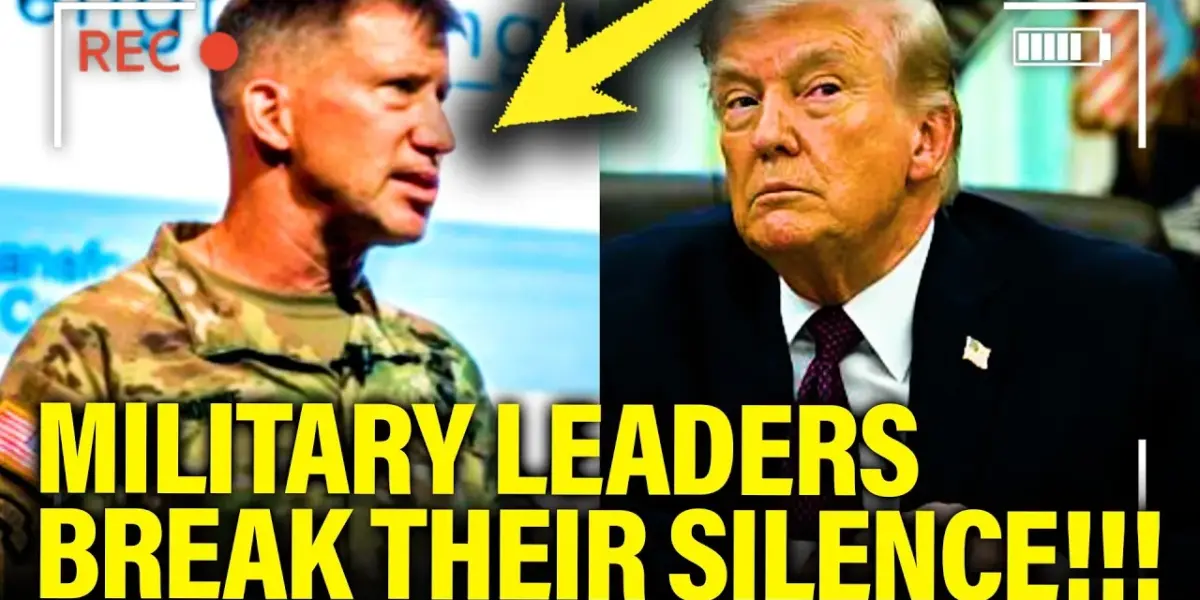
Pentagon Purge Fuels Fears Amidst Escalating Iran Conflict
A significant upheaval within the U.S. military leadership is raising serious questions, particularly as the nation grapples with a tense and escalating situation in Iran. Defense Secretary Pete Heges has recently removed over a dozen senior military officials, including the Army’s top general, General Randy George. These dismissals, occurring during what appears to be a period of potential war, have led to widespread concern and accusations of a political purge.
Leadership Shake-up During Wartime
The firings have been abrupt and, according to reports, often lack clear public explanations or transition periods. General Randy George, the Army Chief of Staff, was asked to retire immediately. He is described by those who know him as a respected, intelligent, and strategic officer who always put his service members and the country first. His removal, along with other high-ranking generals, has been called “insane” by some defense officials, not just activists.
Accusations of a “Purge”
Reporting from outlets like The Atlantic suggests that these removals are not simply a reshuffle but may constitute a “purge.” The concern is that senior officers are being pushed out not for battlefield failures, but due to political alignment, personal disagreements, or perceived disloyalty. This trend risks politicizing the military, a move many believe is dangerous for national security.
Concerns Over Representation and Loyalty
Adding to the controversy, the new leadership under Secretary Heges appears to be less focused on diversity and inclusion. The Joint Chiefs of Staff, under his influence, are reportedly composed entirely of white men. This stands in stark contrast to the diverse makeup of the active-duty service members. Heges has made his stance clear, stating that the “era of DEI is gone” and that the focus must be on the “best and brightest,” with high, gender-neutral physical standards.
Furthermore, reports indicate that Heges has been blocking the promotions of several Army officers, including Black individuals and women. One instance cited involves a controversial aide suggesting that President Trump would not want to stand next to a Black female officer at military events. While this is denied, it fuels the perception that loyalty and political leanings are increasingly influencing personnel decisions at the highest levels.
Escalation in Iran and Public Discontent
These internal military shake-ups are happening as the U.S. considers intensifying its actions in Iran, including a potential ground invasion. This proposed escalation faces significant public opposition, with polls showing low approval for the current approach to the conflict. Many Americans are also concerned about the rising costs, particularly at the gas pump, linking the ongoing conflict to increased oil prices.
The public’s frustration is palpable. Many feel forced to pay more for essentials due to foreign policy decisions they don’t understand or agree with. This sentiment is often expressed in everyday conversations at places like gas stations, where people voice their confusion and disapproval of the war and its economic impact.
Historical Context and Military Independence
Historically, the U.S. military has strived for a degree of separation from political influence to maintain its effectiveness and public trust. The principle of civilian control is vital, but it typically involves strategic guidance rather than direct interference in personnel decisions based on political loyalty. The current situation, with accusations of a purge and the politicization of leadership appointments, deviates from this norm.
The rapid turnover of top brass, especially during a period of international tension, can signal instability. Military leaders, both current and former, are expressing concern that this does not project strength but rather internal disarray. The lack of clear planning and the potential for a costly ground invasion further amplify these worries.
Why This Matters
The stability and perceived impartiality of the U.S. military are cornerstones of national security. When leadership is seen as being chosen for political reasons rather than merit, it can erode morale within the ranks and confidence among allies. In a complex geopolitical climate, particularly with ongoing conflict and potential escalation, a unified and apolitical military leadership is crucial for effective decision-making and maintaining international credibility.
Implications, Trends, and Future Outlook
The current events suggest a troubling trend towards increased political influence within military appointments. If this continues, it could lead to a less experienced or less qualified leadership at critical junctures. The focus on “warrior ethos” over diversity could also alienate segments of the military and the public, potentially impacting recruitment and retention.
The international community watches closely. A military perceived as unstable or politically compromised could embolden adversaries. The future outlook depends on whether the Pentagon can restore confidence in its leadership selection process and effectively manage the ongoing conflict in Iran, while also addressing the concerns of the American public regarding both the war’s cost and its strategic justification.
Source: Military leaders SPEAK OUT as Trump WAR plan BACKFIRES (YouTube)

Related Articles

US Rescues Pilots in Daring Iran Mission, Trump Warns Tehran
President Trump detailed a daring U.S. military rescue mission that successfully recovered two pilots downed in Iran. The operation, described as 'historic,' involved complex tactics and significant risks. Trump also issued a stern warning to Iran, signaling continued U.S. military pressure.


Trump’s Iran War Escalation: A Descent into Chaos?
Former President Trump's April 6th press conference revealed alarming threats of war crimes in Iran and bizarre claims about civilian support for bombing. Iran has rejected a ceasefire, offering a counter-proposal, while on-the-ground strikes continue.

US Airmen Rescued from Iran in Daring Military Operation
Two US airmen were rescued from Iran in a complex, high-risk military operation involving extensive aircraft and personnel. President Trump hailed the mission as historic, emphasizing the US commitment to leaving no one behind while also addressing national security concerns over information leaks.