US Military’s “Extraordinary” Iran Operations Highlight Presidential Resolve
General Jack Keane highlights the extraordinary capabilities of the U.S. military and presidential resolve in successful Iran operations. The strategy aims to curb Iran's aggression and potentially trigger economic collapse.

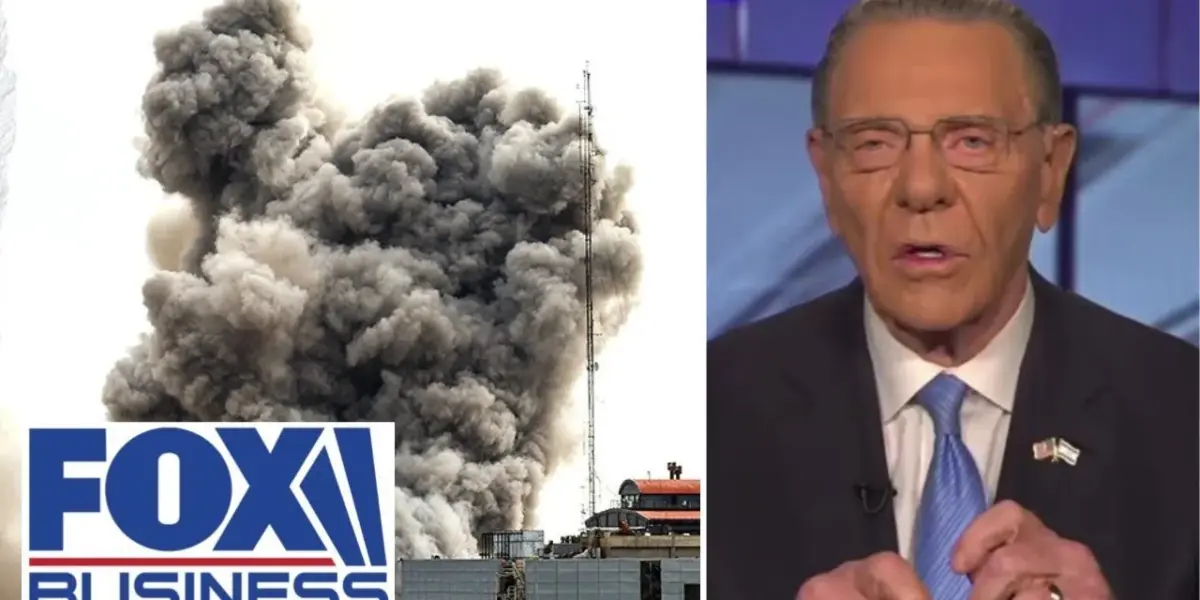
US Military’s “Extraordinary” Iran Operations Highlight Presidential Resolve
A recent successful pilot rescue mission in Iran, described as “extraordinary” by Fox News Senior Strategic Analyst General Jack Keane, underscores the U.S. military’s unique capabilities and the President’s decisive leadership. This operation, along with a series of other strategic actions against Iran, signals a firm U.S. stance aimed at curbing Tehran’s aggressive behavior and potentially forcing its economic collapse.
A Remarkable Rescue Mission
The complex rescue operation for a downed pilot in Iranian territory showcased the U.S. military’s imagination, flexibility, and swift decision-making. General Keane emphasized that this mission reflects core American values of freedom and adaptability, traits he believes are not as prominent in other militaries, even Western ones. “The American military reflects the culture of America itself,” Keane stated, highlighting how these operations are executed with creativity and a willingness to take calculated risks.
Keane pointed to a pattern of decisive presidential action, beginning with the strike on Assad for chemical weapons use, the elimination of Qasem Soleimani, the capture of Maduro, and the “Midnight Hammer” operation targeting Iran’s nuclear program. In each case, the President, despite being fully aware of potential adverse consequences, did not become paralyzed by fear. Instead, he moved forward decisively, a contrast to predecessors who might have hesitated or opted for limited actions. This willingness to “go all in” is a key characteristic of the current administration’s approach.
Furthermore, Keane credited the President’s trust in his military advisors. Unlike some past administrations, the current President appears to have fewer barriers, sharing values with his team and having faith in their judgment. When military leaders present a mission, even with significant risks, and express confidence in their ability to succeed, the President is willing to authorize it. This confidence extends down the chain of command, bolstering the morale and determination of the troops executing these high-stakes operations.
Intelligence and Institutional Strength
The Central Intelligence Agency (CIA) also played a crucial role, with its talented personnel working behind the scenes. Their innovation and technology were instrumental in locating the pilot and providing vital intelligence. Keane noted that while many American institutions struggle, the U.S. military remains a consistently effective organization. “Our Congress of the United States seems paralyzed and completely divisive. And here we have the United States Military standing there day in and day out, year in and year out as an institution that truly works,” he observed.
The military’s strength lies not only in its advanced capabilities but also in its personnel. The all-volunteer force comprises individuals committed to service and willing to take significant risks. This shared determination and commitment to teammates create a unique dynamic, pushing individuals to perform beyond their normal capabilities. This sense of purpose and submission to a higher mission is something Keane believes inspires pride in being an American.
A Strategic Push Against Iran
Beyond the rescue mission, the conversation shifted to the broader U.S. strategy concerning Iran. With an 8 P.M. deadline approaching, there was speculation about further actions. The assessment was that while negotiations might be ongoing, they were perhaps a formality, with the U.S. putting its strategic pieces in place. The underlying belief is that Iran’s word cannot be trusted on issues ranging from nuclear enrichment to terrorism.
A key objective is ensuring the Strait of Hormuz remains open, a vital waterway for global oil trade. The U.S. is reportedly preparing for a significant push against Iran, aiming to dismantle its offensive capabilities and its ability to act as a regional predator. This strategy also includes imposing economic pressure, potentially leading to Iran’s economic collapse. The aim is to strip Iran of its resources and force a change in its leadership or behavior.
The President has reportedly issued an ultimatum regarding the Strait of Hormuz, suggesting that if Iran does not ensure its openness, the U.S. will take action. This could involve forcing Iran to open it or opening it themselves. The strategy appears to involve targeting Iran’s economic infrastructure, including power, electricity, and daily operations, with the goal of emboldening the Iranian people to rise up against the current regime.
Kharg Island and Future Implications
A significant point of discussion was the potential action against Kharg Island, the hub for 90% of Iran’s oil distribution and a critical source of its revenue. The President is reportedly leaning towards controlling, rather than destroying, Kharg Island. This would provide substantial leverage to influence any remaining Iranian leadership, similar to the approach being taken in Venezuela.
The discussion also highlighted the critical role of special forces, including Navy SEALs, in operations like the pilot rescue. The involvement of hundreds of personnel demonstrated their brilliance and readiness. These forces are positioned in the Persian Gulf, prepared for various contingencies. The complexity of planning these operations involves meticulously considering all potential risks and enemy actions, from air and ground threats to cyber and electronic warfare. Contingency plans are in place to ensure success despite these challenges.
Market Impact
The heightened tensions and potential for increased U.S. action against Iran could lead to volatility in oil prices. Disruptions to the Strait of Hormuz, a critical chokepoint for global oil supply, could significantly impact energy markets. Investors will be closely monitoring developments for any signs of escalation or de-escalation, which could affect energy stocks, geopolitical risk premiums in broader markets, and global economic stability. The potential for Iran’s economic collapse could also have ripple effects across regional economies and international trade.
What Investors Should Know
Investors should be aware of the strategic implications of the U.S. stance on Iran. The focus on dismantling Iran’s offensive capabilities and imposing economic pressure suggests a prolonged period of tension. The potential impact on oil supply and prices remains a key concern. Geopolitical risks associated with the Middle East are elevated, which can influence global markets. Understanding the administration’s resolve and the military’s capacity to execute complex operations is crucial for assessing potential market reactions to unfolding events in the region.
Source: Gen Jack Keane: This is EXTRAORDINARY (YouTube)

Related Articles

Iran Rescue Mission: Cover for Secret Nuke Grab?
A recent U.S. military operation in Iran to rescue a downed pilot has sparked debate, with some claiming it was a cover for a failed mission to seize enriched uranium. Analysis suggests the official rescue story is more likely, highlighting the complexities of military operations and the spread of misinformation.

Trump’s Iran Stance: Military Might Meets Economic Reality
President Trump is demanding the reopening of the Strait of Hormuz as indirect talks with Iran continue without a deal. Meanwhile, the U.S. economy shows surprising strength with robust job growth and stable markets, while oil prices are expected to decline.

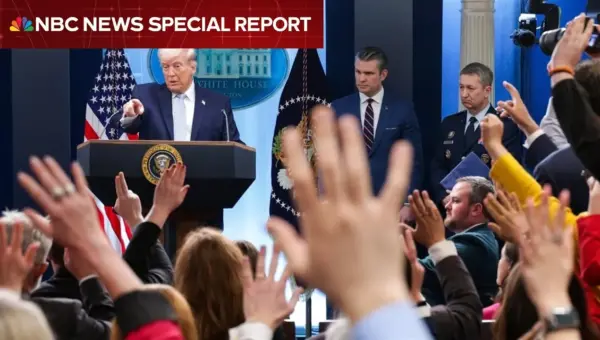
US Rescues Pilots in Daring Iran Mission, Trump Warns Tehran
President Trump detailed a daring U.S. military rescue mission that successfully recovered two pilots downed in Iran. The operation, described as 'historic,' involved complex tactics and significant risks. Trump also issued a stern warning to Iran, signaling continued U.S. military pressure.