US Faces Rising Business Fires: A Growing Economic Threat
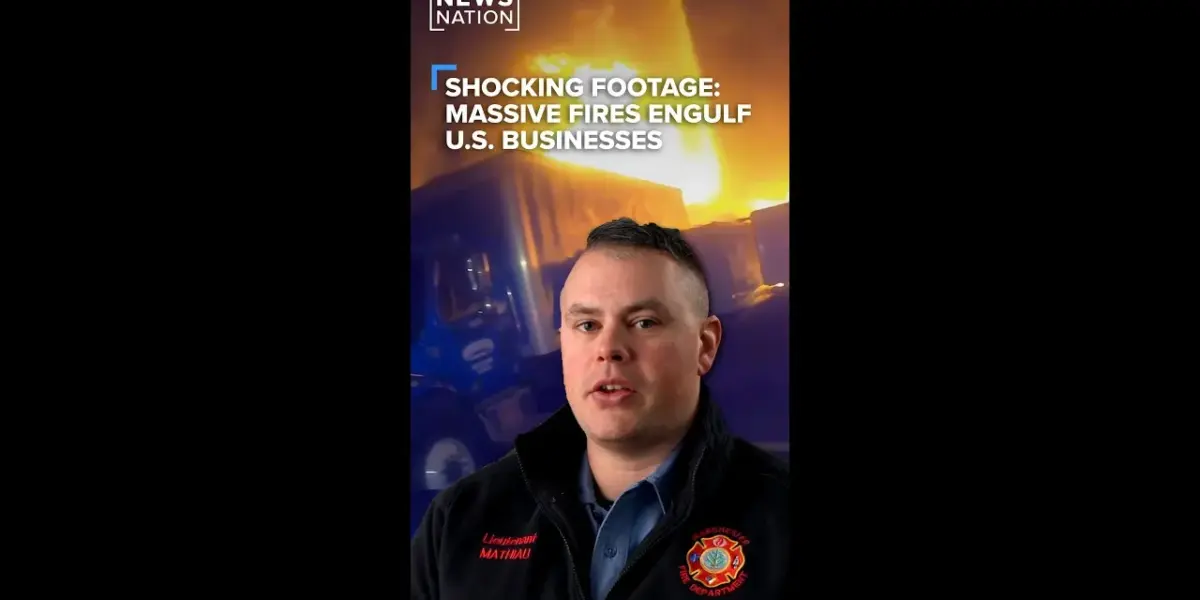
Massive fires are increasingly engulfing businesses across the US, posing a significant economic threat. From industrial blazes in California to hazardous material incidents in Los Angeles, these infernos endanger livelihoods and communities. The growing danger highlights the immense risks faced by firefighters and the critical need for enhanced prevention and response strategies.

US Faces Rising Business Fires: A Growing Economic Threat
Fires are not just a danger to homes. They are increasingly threatening the businesses that power communities and provide jobs. These commercial fires spread quickly, burn intensely, and leave lasting damage long after the smoke clears. Firefighters nationwide are responding to blazes that put entire towns in danger.
Industrial Blazes Ignite in Southern California
In Southern California, emergency crews are fighting large industrial fires. Areas storing pallets and lumber have become towering infernos. These fires are difficult to control due to the materials involved and the sheer scale of the storage.
Hazardous Materials Threaten Livelihoods in Los Angeles
Los Angeles is dealing with a serious situation where hazardous materials are burning dangerously close to a major highway. This forces firefighters into tough choices. They must decide how to best fight the fire while minimizing risks to drivers and the surrounding environment. Protecting people becomes the top priority, even if it means letting some property burn.
A Widespread Danger Across American Cities
This problem is not limited to one region. Similar dangers are growing in cities all over the United States. These burning buildings are more than just structures. They represent people’s jobs, local landmarks, and essential services that communities depend on. This issue highlights the enormous scale of the risks firefighters face. It also shows the difficult decisions they must make to protect not only buildings but also the livelihoods and safety of the people.
Global Impact: Economic Stability and Supply Chains
While this transcript focuses on the US, the impact of such large-scale commercial fires has global implications. Businesses, especially those involved in manufacturing, storage, and logistics, are often part of larger international supply chains. The destruction of warehouses, factories, or distribution centers can disrupt the flow of goods worldwide. This can lead to shortages, price increases, and economic instability in other countries that rely on those goods or components.
Historical Context: Evolving Firefighting Challenges
Firefighting has always been a dangerous profession. However, the nature of commercial fires has changed over time. Modern industrial sites often store large quantities of flammable materials, from plastics and chemicals to lumber and textiles. These materials create hotter, faster-burning fires that are harder to contain. Furthermore, the expansion of urban areas means that industrial sites are often closer to residential zones and critical infrastructure like highways, increasing the potential for widespread damage and risk.
Economic Leverage and Risk Management
The economic stakes in these fires are immense. Businesses represent significant investments and are crucial for local economies. When a business burns down, it’s not just the building that’s lost. Jobs disappear, tax revenue decreases, and the local economy suffers. Insurance plays a role, but the disruption can be devastating. Companies and city planners must consider fire prevention and risk management as critical components of economic resilience. This includes better building codes, improved sprinkler systems, and safer storage practices for flammable materials.
Regional Alliances and Cooperation
Fighting large fires often requires cooperation between different fire departments and even neighboring municipalities. In a disaster scenario, resources can be stretched thin. Mutual aid agreements, where fire departments help each other during major emergencies, become vital. This highlights the importance of regional cooperation and coordinated emergency response planning. The scale of these industrial fires necessitates a unified approach to ensure adequate resources are available when needed.
Future Scenarios and Likelihood
Looking ahead, the risk of large commercial fires is likely to increase. Climate change can lead to hotter, drier conditions, making outdoor storage areas more prone to ignition. Increased industrial activity and complex global supply chains mean more materials are being stored and transported, raising the potential for large-scale incidents. Without significant investment in fire prevention, updated safety regulations, and robust emergency response capabilities, communities will continue to face these devastating events. The likelihood of more frequent and intense commercial fires is high if current trends continue without proactive measures.
Source: Shocking footage: Massive fires engulf businesses | American Inferno (YouTube)

Related Articles


Iran War Funding Sparks Congress Clash, Threatens Global Economy
Representative Adam Smith criticizes the administration's costly Iran war strategy, questioning its effectiveness and fiscal responsibility. A major clash is emerging in Congress over $1.5 trillion in proposed war funding, with lawmakers debating authorization versus appropriation. The conflict risks further global economic instability.


Billions in New Child Care Aid Boosts Families, Economy
Congress has passed $16 billion in new child care funding to help working parents cover expenses and boost the economy. The legislation offers larger tax credits for families and increased subsidies for businesses, making child care more accessible. This bipartisan win aims to remove barriers to workforce participation for parents.
US Businesses Blaze, Sparking Economic Fears
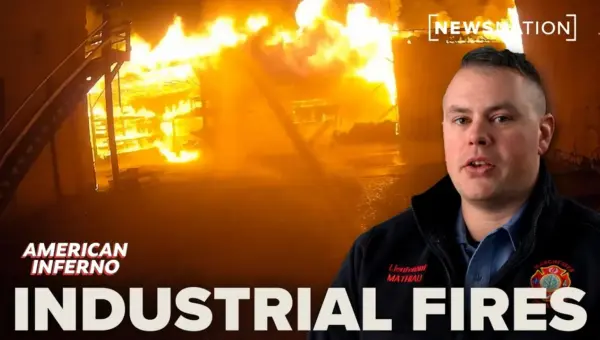
A wave of fires is devastating US businesses, from lumber yards to office buildings. This trend raises alarms about economic stability and community recovery, highlighting the unique challenges of commercial blazes.