Trump’s Iran Stance: Military Might Meets Economic Reality
President Trump is demanding the reopening of the Strait of Hormuz as indirect talks with Iran continue without a deal. Meanwhile, the U.S. economy shows surprising strength with robust job growth and stable markets, while oil prices are expected to decline.

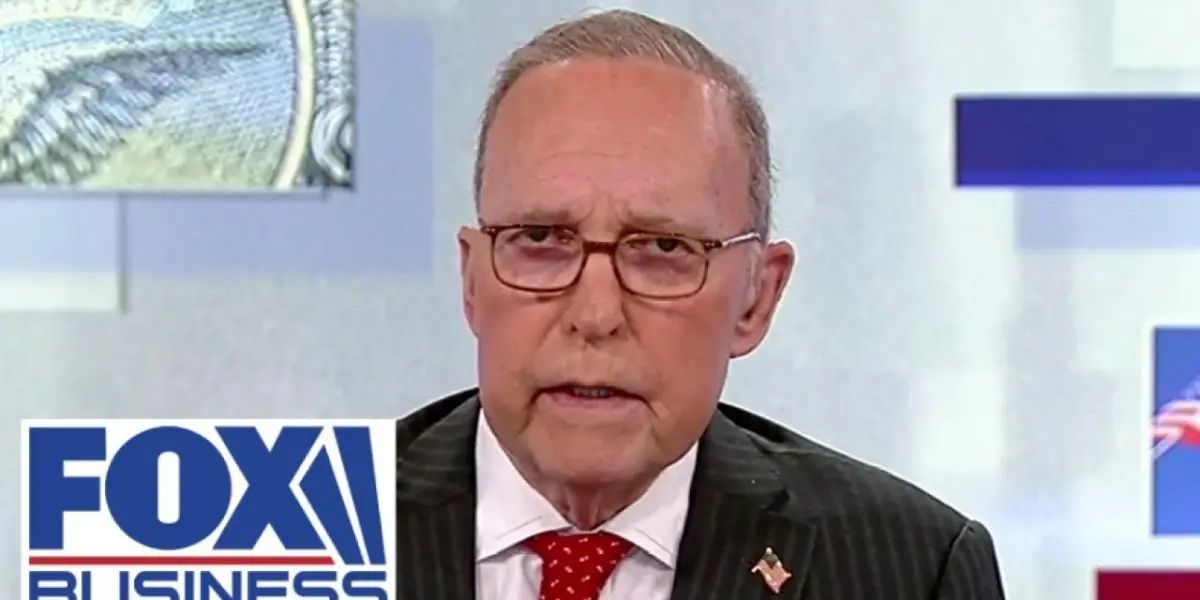
Trump Demands Iran Strait Reopening Amid Tough Talk
President Trump is forcefully calling for the Strait of Hormuz to be reopened, linking this demand to Iran ending its nuclear ambitions and terrorist activities. This firm stance comes as indirect talks between the U.S. and Iran continue, though no agreement has been reached. President Trump has stated that an 8 p.m. deadline for a deal is final. Military experts suggest that Iran’s capabilities will be dismantled through military action regardless of a diplomatic outcome.
Iran’s Internal Power Struggle Clouds Negotiations
Negotiations with Iran are complex due to uncertainty over who truly holds power. It’s unclear if the civilian government, the powerful Revolutionary Guard (IRGC), or both are directing Iran’s actions. The IRGC not only leads militarily and politically but also controls a significant portion of the Iranian economy, similar to organized crime groups. Analysts doubt Iran’s negotiators will accept the 15 points proposed by President Trump.
Why the Strait of Hormuz Matters
Reopening the Strait of Hormuz is crucial for both economic and geopolitical reasons. It allows the U.S. to demonstrate strength and counter Iranian attempts at economic pressure. The Strait is a vital waterway for global oil shipments, and any disruption can significantly impact energy prices worldwide.
U.S. Economy Shows Surprising Strength
Meanwhile, the U.S. economy is performing better than many expected. Private job creation surged in March, and key economic indicators from the Institute for Supply Management (ISM) for both manufacturing and services sectors show continued growth. These March figures surpassed those recorded in January, indicating a positive economic trend.
Corporate Profits and Stock Market Stability
Corporate profits are reported to be strong, and the stock market has shown signs of stabilization. This economic resilience provides a solid backdrop for current U.S. policy decisions.
Oil Prices Poised for Decline Despite Current Levels
West Texas Intermediate (WTI) crude oil is trading around $110 per barrel. However, futures contracts suggest prices are expected to fall to $70 a year from now. The cost for oil producers to break even is typically in the low to mid $60s per barrel. Yet, some industry insiders indicate the true break-even point is much lower, around $35 per barrel. This suggests a potential for significantly lower oil prices ahead.
America’s Dominance in the Energy Market
With a lower production cost, America is set to remain a dominant force in the global oil market. This positions the U.S. favorably in terms of energy security and economic influence.
Market Impact and Investor Considerations
What Investors Should Know
The geopolitical tensions with Iran, particularly concerning the Strait of Hormuz, could lead to short-term volatility in oil prices and energy stocks. However, the underlying strength of the U.S. economy, including robust job growth and stable corporate profits, provides a buffer against these external shocks. Investors should monitor developments in the Middle East closely, as they could impact global trade and energy markets. Simultaneously, the potential for declining oil prices, driven by strong U.S. production and lower break-even costs, could benefit consumers and certain industries while pressuring energy producers with higher costs. The resilience of the U.S. economy suggests a stable environment for broader market investments, but sector-specific risks related to energy and international relations remain.
Geopolitical Risk vs. Economic Fundamentals
The situation highlights a key tension in financial markets: geopolitical risks versus underlying economic fundamentals. While events in Iran can cause immediate market reactions, the solid performance of the U.S. economy suggests a more stable long-term outlook. The market’s expectation of lower oil prices a year from now, despite current higher levels, reflects confidence in supply dynamics and potentially a resolution or containment of geopolitical issues. For investors, this means balancing immediate concerns about global stability with the enduring strength of economic indicators.
Long-Term Outlook
The U.S. military’s strength is presented as a guardian of both freedom and prosperity, suggesting a belief in continued stability and economic growth. The expectation that Iran will be fundamentally changed implies significant shifts in regional dynamics. For investors, this points to potential opportunities and risks stemming from evolving international relations and energy market structures. The U.S. position as a dominant oil player could shape global energy policy and market outcomes for years to come.
Source: Larry Kudlow: We MUST show strength here… (YouTube)

Related Articles
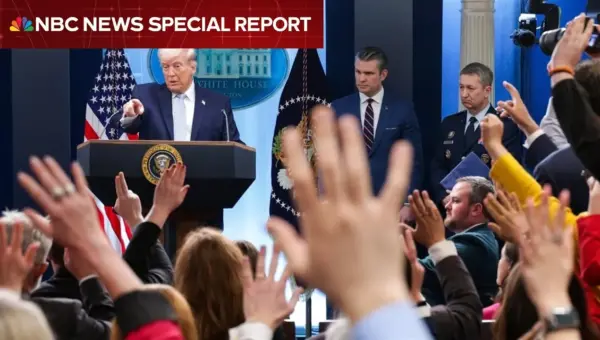
US Rescues Pilots in Daring Iran Mission, Trump Warns Tehran
President Trump detailed a daring U.S. military rescue mission that successfully recovered two pilots downed in Iran. The operation, described as 'historic,' involved complex tactics and significant risks. Trump also issued a stern warning to Iran, signaling continued U.S. military pressure.
Trump Threatens Iran With ‘Complete Demolition’ By Deadline
President Donald Trump has issued a severe ultimatum to Iran, threatening "complete demolition" of its infrastructure by midnight. The warning follows the successful rescue of two U.S. pilots and comes amid ongoing diplomatic tensions and Iran's rejection of a ceasefire proposal.

Trump’s Iran Rhetoric Sparks Global Unease
Former President Donald Trump's recent press conference featured aggressive rhetoric towards Iran, including threats of total destruction and controversial statements about the Iranian people. His remarks also questioned the value of NATO and U.S. alliances.