Pilots Master Stormy Skies at Dublin Airport
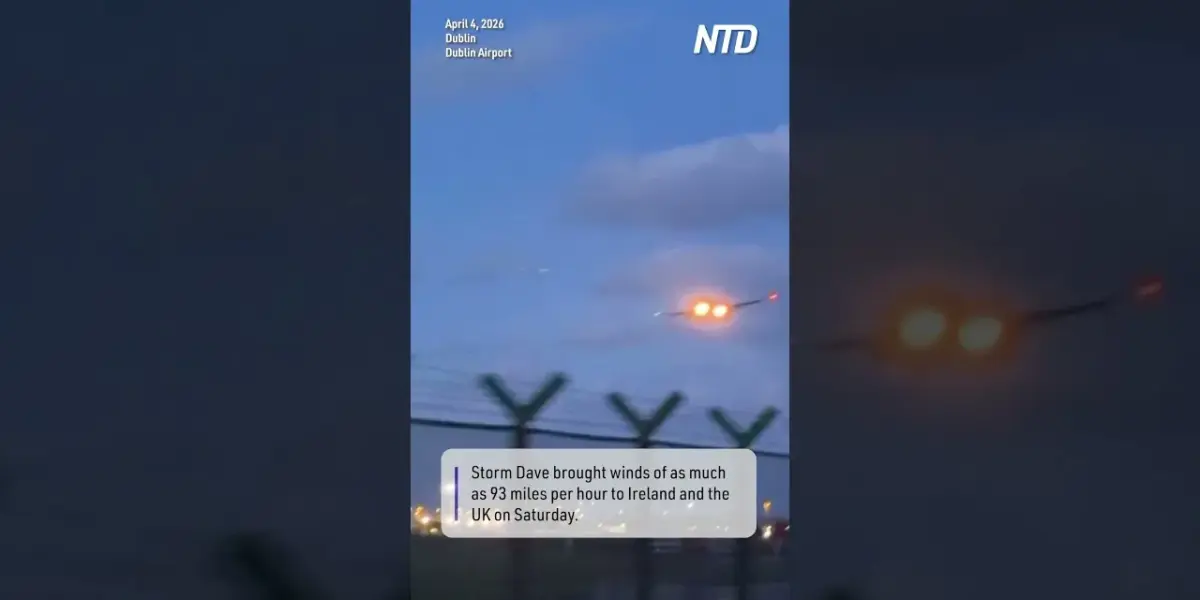
Pilots demonstrated exceptional skill and training by safely landing multiple aircraft at Dublin Airport amidst the high winds and strong gusts of Storm Dave. This event highlights the resilience of modern aviation and the critical role of pilot expertise in challenging weather conditions.

Pilots Master Stormy Skies at Dublin Airport
Dublin Airport faced a challenging Saturday as Storm Dave brought powerful winds and strong gusts. These conditions made landing difficult for aircraft. However, skilled pilots guided their planes safely to the ground, showing impressive control under pressure.
The Challenge of High Winds
Landing an airplane is a complex process that requires precision. When severe weather hits, especially high winds, it adds another layer of difficulty. Pilots must constantly adjust their controls to keep the aircraft stable and on course. The wind can push the plane sideways, making it hard to align with the runway. It can also cause sudden changes in speed and altitude.
At Dublin Airport, the situation was particularly intense. Reports indicate that planes were buffeted by strong winds and sudden gusts. This means the wind wasn’t just blowing steadily; it was also changing direction and force rapidly. Imagine trying to steer a boat through choppy water with sudden waves hitting it from different sides. That’s similar to what pilots experience in such conditions.
Skill and Training Prevail
Despite the challenging weather, every pilot managed to land safely. This is a testament to the rigorous training that airline pilots undergo. They train extensively in flight simulators that replicate extreme weather scenarios. This preparation allows them to develop the skills needed to handle unexpected situations and maintain control.
The pilots’ ability to land safely highlights the advanced technology in modern aircraft. Planes are equipped with sophisticated systems that help pilots manage difficult landings. These include advanced navigation aids and flight control systems. However, technology is only part of the solution; the pilot’s expertise remains the most crucial element.
Broader Implications for Air Travel
Events like this remind us of the risks involved in air travel. While flying is one of the safest forms of transportation, it is not without its challenges. Weather remains a significant factor that can impact flights worldwide. Airports and airlines constantly monitor weather patterns to ensure safety.
When severe weather is forecast, flights may be delayed or canceled. This is done to prevent pilots from facing overly dangerous conditions. The decision to fly or not fly is based on a careful assessment of risk. Safety is always the top priority for aviation authorities and carriers.
Why This Matters
The successful landings at Dublin Airport are more than just a news item; they underscore the high level of professionalism and skill in the aviation industry. It shows that even in adverse conditions, the systems and people in place are designed to handle emergencies. This provides reassurance to travelers about the safety standards maintained.
These events also highlight the importance of infrastructure like airports. They must be able to operate safely under various weather conditions. The ability of Dublin Airport to manage these landings safely demonstrates its resilience. It also points to the ongoing need for investment in weather forecasting and airport safety measures.
Historical Context
The history of aviation is filled with stories of pilots overcoming challenging weather. Early aviators faced far less predictable aircraft and less advanced forecasting. They often flew into storms with little more than courage and basic instruments. Today’s pilots benefit from decades of learning and technological advancement.
Air traffic control systems and pilot training have evolved significantly. We have learned much from past incidents, both good and bad. This knowledge has led to stricter safety regulations and improved operational procedures. The safe landings during Storm Dave are a modern example of these advancements at work.
Future Outlook
As climate patterns shift, extreme weather events may become more frequent. This means pilots and airports will likely face more challenging conditions. The aviation industry will need to continue adapting. This includes further advancements in aircraft technology and pilot training.
Improved weather prediction models will also be vital. Being able to forecast wind patterns and gusts with greater accuracy can help airlines make better decisions. Ultimately, the focus will remain on ensuring the safety of passengers and crew, no matter the weather.
Source: Pilots Guide Planes to Land at Dublin Airport as Storm Dave Brings High Winds (YouTube)

Related Articles

Air Traffic Control Crisis Exposed by LaGuardia Crash
A fatal crash at LaGuardia Airport involving an Air Canada flight and a fire truck has exposed deep-seated staffing shortages within the FAA's air traffic control system. The incident, which killed two pilots, is prompting a closer look at controller workload and the decades-old problem of understaffing.

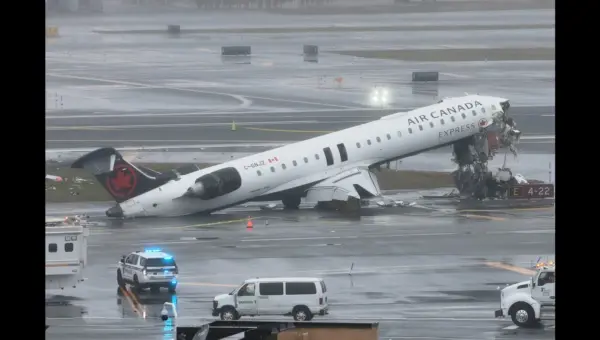
LaGuardia Runway Reopens After Deadly Crash, Safety Lapses Exposed
LaGuardia Airport's main runway has reopened after a fatal crash involving an Air Canada Express jet and a fire truck. The incident, which killed two pilots, exposed critical failures in airport safety systems, including ground surveillance and transponder use.


Iran War Talks Ignite, Airport Chaos Deepens
President Trump confirms peace talks with Iran are underway, while US airports face ongoing chaos due to the DHS shutdown. Investigations into a fatal LaGuardia crash reveal systemic safety issues, with experts citing controller fatigue and staffing shortages. Meanwhile, the search for a missing elderly woman continues in harsh desert terrain, highlighting diverse challenges facing the nation.