US Airmen Rescue: A Daring Daylight Mission Unfolds
Two U.S. Air Force pilots were dramatically rescued from behind enemy lines in a perilous operation spanning over 50 hours. The mission, described as "incredibly dangerous," showcased the bravery of U.S. forces and the nation's commitment to bringing its airmen home.

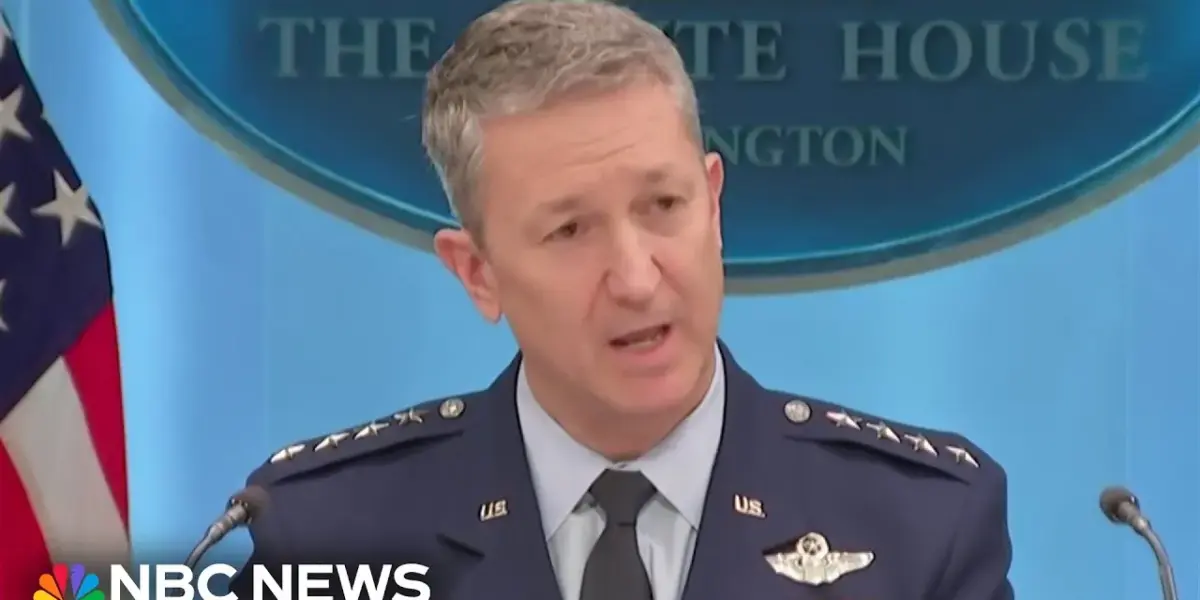
US Airmen Rescued in Daring Mission Behind Enemy Lines
In a dramatic display of military might and unwavering commitment, U.S. forces successfully executed a complex rescue operation to bring home two downed Air Force pilots from hostile territory. The mission, described as “incredibly dangerous,” unfolded over two days, highlighting the bravery of the airmen involved and the nation’s promise to leave no one behind.
The Initial Incident: A Jet Downed
The crisis began on Thursday, April 2nd, at 10:10 p.m. Eastern Time. A U.S. Air Force F-15E Strike Eagle, with the call sign “Dude Four Four,” went down in enemy territory. Both the pilot and the Weapons Systems Officer (WSO) ejected safely, but found themselves isolated behind enemy lines. The Joint Personnel Recovery Center confirmed an isolated personnel recovery event, and following confirmation of active rescue beacons, a mission was launched by order of the President and with the Secretary’s direction.
First Rescue: Bringing Home the Front Seater
By Friday morning, U.S. Central Command had positively located the front-seat pilot, “Dude Four Four Alpha.” Aware that enemy forces were actively searching for the downed airmen, a rescue plan was approved. Soon after, a specialized Combat Search and Rescue task force was assembled. This formidable team included A-10 Warthogs, known for their “Sandy” role, C-130 Combat Kings, HH-60 Pave Hawk helicopters, and highly trained Air Force Special Warfare airmen, including Combat Rescue Officers and Pararescuemen. This force audaciously entered enemy airspace in broad daylight to find, fix, and recover “Dude Four Four Alpha.”
The ‘Sandy’ Role: Guardians of the Rescue
The “Sandy” mission, named after a similar operation during the Vietnam War, involves A-10 Warthog pilots whose sole purpose is to reach downed personnel and place themselves between the survivor and the enemy. They are the critical link, guiding rescue forces and suppressing enemy threats. In this mission, the Sandy A-10s worked tirelessly to communicate with the pilot and engage enemy forces.
Intense Combat and a Close Call
The rescue operation was fraught with peril. As the task force entered the objective area, they came under fire. The A-10 “Sandy” aircraft violently suppressed and engaged the enemy, creating a window for the rescue helicopters. During the intense engagement, one of the Sandy A-10s, vital for communication with the downed pilot, was hit by enemy fire. Despite the damage, the pilot continued the mission before ejecting over friendly territory in another country. The pilot was safely recovered and is reportedly doing well. The HH-60 Pave Hawk helicopters, carrying the rescue team, also faced heavy fire. The trailing helicopter sustained hits, and its crew suffered minor injuries, but they too are expected to recover fully.
A Pilot’s Will to Survive
The front-seat pilot, “Dude Four Four Alpha,” was successfully recovered on Friday afternoon. The transcript emphasizes that the survivor’s “will to survive” and “will to evade” are the most crucial elements in any rescue. The pilot’s determination was a significant factor in the success of the operation.
Second Rescue: Locating the Back Seater
Meanwhile, the WSO, “Dude Four Four Bravo,” had spent hours evading enemy forces. The U.S. military and intelligence agencies worked tirelessly to locate him. On Saturday, April 4th, positive communication was established. It was learned that the WSO was injured and actively evading. Thanks to interagency partners, his location was pinpointed.
A Larger Force for a Second Rescue
Recognizing the increased danger and the enemy’s preparation, a more substantial rescue force was deployed on Saturday. This mission, again approved by the Secretary and the President, was protected by A-10 Warthogs and other tactical aircraft. The objective was clear: bring “Dude Four Four Bravo” home, no matter the cost.
Fighting Through Darkness and Contingencies
The second rescue mission faced its own set of challenges, including marginal weather and continued enemy pursuit. The force fought off multiple enemy threats simultaneously. This mission continued through Saturday night and into Easter Sunday daylight. The rescue team battled through numerous contingencies, demonstrating a capability described as unmatched by any other nation. They successfully extracted “Dude Four Four Bravo,” bringing him safely back to friendly territory.
A Testament to Courage and Commitment
By midnight on Easter Sunday, over 50 hours after the operation began, both airmen were declared safe. General Caine highlighted the profound courage and tenacity of both pilots while isolated and evading. He stressed that their absolute trust in the rescue forces, their training, and their own will to survive made the missions possible. This operation is a powerful testament to the nation’s most sacred obligation: “We leave no one behind.” It also embodies the special operations motto: “These things we do, that others may live.”
A Message to Adversaries
The success of these daring rescues sends a clear message to adversaries worldwide. The United States possesses the capability and the unwavering will to recover its service members from anywhere on Earth, under any conditions. The overwhelming skill and firepower demonstrated, combined with a deep commitment to personnel, underscore America’s resolve.
Source: 'Incredibly dangerous': Gen. Caine breaks down the timeline of the U.S. airmen rescue mission (YouTube)

Related Articles


US Dares Iran: A Daring Rescue Proves American Resolve
A daring rescue deep inside Iran, risking many lives to save two American airmen, underscores the U.S. commitment to its service members. This high-risk operation showcases American military prowess and strategic deception, sending a clear message to Iran and the world about American resolve.


US Military Never Leaves Warriors Behind: A Daring Rescue
A daring rescue of a downed US jet crew in Iran highlights the military's core principle: leaving no American behind. Retired Lt. Col. Darren Gob details the mission's risks, the complex planning involved, and the vital role of mindset and faith for survival. This commitment reassures service members and underscores national resolve.


Trump Praises Iran Rescue Mission: ‘No American Left Behind’
President Trump and military officials detailed two daring combat search and rescue missions in Iran over Easter weekend. The operations successfully retrieved two downed U.S. Air Force pilots, showcasing U.S. military prowess and the commitment to leaving no American behind. Officials also vowed to find a leaker who compromised the second rescue.