Trump Threatens Iran Amidst Shifting Alliances
Former President Donald Trump issued a strong warning to Iran, threatening military action to reopen the Strait of Hormuz. Meanwhile, Ukraine pursues deeper diplomatic ties with Turkey and Syria, seeking broader international support amidst shifting global alliances.

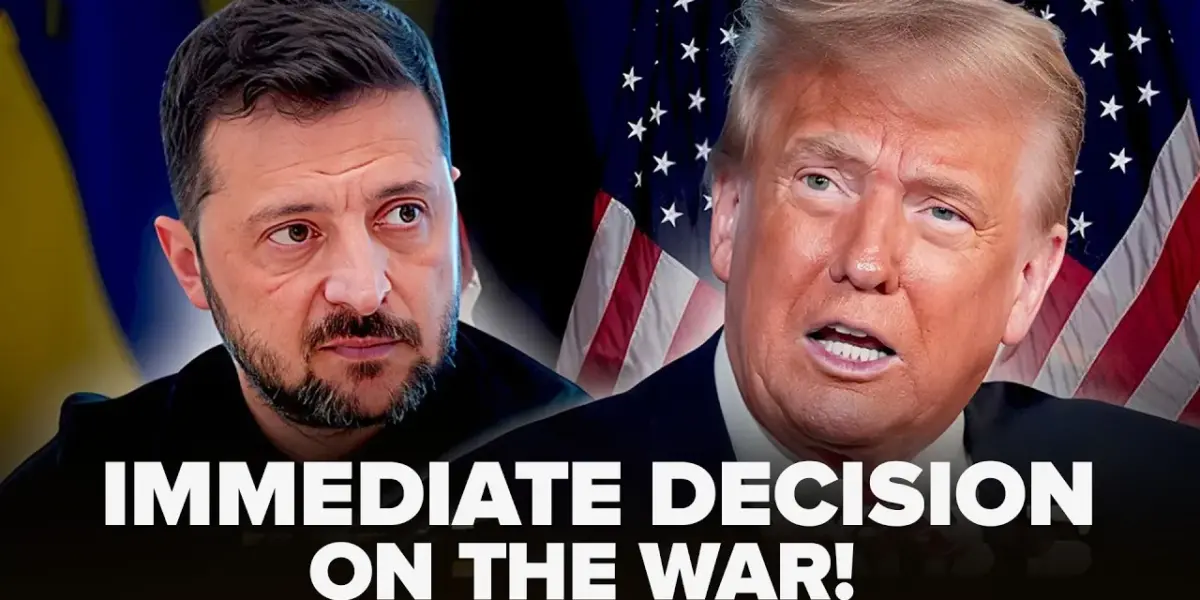
Trump Issues Stark Warning to Iran, Demands Strait of Hormuz Reopening
Former President Donald Trump has issued a strong warning to Iran, threatening military action if the Strait of Hormuz is not reopened and an agreement is not reached. Trump stated his belief that a deal could be struck as early as the following day. This development comes as the United States, Iran, and regional mediators are reportedly discussing terms for a potential 45-day ceasefire, which could lead to a lasting end to the conflict.
The credibility of Trump’s threat and the signals it sends to the international community are under scrutiny. The potential for a temporary ceasefire to serve as a foundation for long-term peace remains a key question. Trump’s administration has faced declining public support for military operations, with a significant portion of Americans questioning the goals and necessity of U.S. involvement in the region.
Pakistan Mediates Ceasefire Talks, Proposes Two-Phase Deal
Reuters reported that Pakistan’s chief army officials held discussions with U.S. and Iranian representatives to secure an immediate ceasefire and reopen the Strait of Hormuz. While Trump’s specific language was deemed too harsh to repeat, the threats against Iran were described as the harshest heard previously.
A proposed two-phase deal is reportedly on the table. The first phase involves an immediate ceasefire and the reopening of the Strait of Hormuz. The second phase, beginning in 15 to 20 days, would focus on negotiating a final, comprehensive peace deal. This agreement, referred to as the Islamabad accords, could include Iran agreeing to limit its nuclear program and military capabilities, potentially in exchange for sanctions relief, the release of frozen assets, and a broader security framework for the Strait of Hormuz with Persian Gulf nations.
Iran has expressed skepticism, fearing that any pause in hostilities could be used by the U.S. to prepare for further attacks. This concern stems from past operations, such as Operation Epic Fury and Operation Midnight Hammer, which reportedly began during ongoing negotiation processes. This history has fostered a lack of trust and security between the two sides.
Partisan Divide on Trump’s Rhetoric and Decision-Making
The sharp rhetoric employed by Donald Trump has drawn criticism from some American politicians, who question his mental state and its impact on decision-making processes. While Trump’s statements are often seen as undiplomatic and unhelpful to negotiations, they also raise concerns about the safety of American soldiers.
Specifically, the potential for escalation and the endangerment of personnel, as seen in past incidents like the extraction of downed F-15 pilots from Iranian territory, are highlighted. Critics argue that such aggressive language could put American service members in greater danger, especially if captured. This has led some, particularly Democrats, to suggest that Trump’s communication should be more restrained, especially when posting on social media.
Even within the Republican party, there are concerns that Trump’s public statements, which may not always reflect the reality on the ground, could undermine the credibility of U.S. threats. If Iran perceives that Trump is not being truthful about U.S. capabilities or successes, they may not take his threats seriously.
Transatlantic Ties Strained Over Regional Security Demands
The relationship between the United States and Europe is reportedly showing signs of strain due to differing approaches to the conflict and regional security. Trump has emphasized that U.S. allies, particularly in Europe, are more dependent on the Strait of Hormuz for oil supplies than the United States itself.
Trump’s argument suggests that European nations are not providing adequate support for reopening the strait, a situation he views as a precursor to their potential unwillingness to assist the U.S. with more significant requests in the future. This stance could impact long-term American support for Europe and NATO, regardless of who holds the U.S. presidency.
While the immediate impact on NATO’s stability might be limited due to existing congressional acts making withdrawal difficult, the long-term implications of Trump’s rhetoric could lead to diminished American commitment. However, diplomatic efforts continue, with figures like Mark Rutte, known for his ability to communicate with Trump, expected to engage in discussions aimed at fostering greater unity between the U.S. and its European partners.
Ukraine Seeks Deeper Ties with Turkey and Syria Amidst Regional Realignment
In parallel developments, Ukrainian President Volodymyr Zelenskyy has been actively engaging with regional players, including Turkey and Syria. Zelenskyy met with Syrian leader Ahmed al-Shara, discussing security, defense, energy, and infrastructure cooperation. This trilateral format involving Ukraine, Turkey, and Syria is seen as significant for regional diplomacy.
Turkey aims to play a crucial role in European and international security, positioning itself at a crossroads between the Middle East and Europe. Ukraine’s outreach to these countries, including those with historical ties to Russia, could yield increased support, including financial aid and post-conflict reconstruction assistance.
Ukraine’s expertise in areas like drones and military specialists is in demand, offering a basis for mutual benefit. This diplomatic engagement with countries like Syria, which has experienced significant geopolitical shifts, provides leverage and strengthens Ukraine’s international standing. The potential for financial support from Middle Eastern nations, less constrained by electoral pressures than European politicians, is also a key factor.
Strategic Implications
Donald Trump’s aggressive stance towards Iran, coupled with his rhetoric regarding European allies, signals a potentially volatile period in international relations. The success of any ceasefire or peace deal hinges on trust and the willingness of all parties to de-escalate. The strain on transatlantic ties could reshape geopolitical alliances and influence future security arrangements.
Ukraine’s proactive diplomacy in the Middle East and with Turkey highlights a strategic effort to broaden its support base and secure crucial assistance. This move is significant as it navigates complex regional dynamics and seeks to counterbalance Russian influence. The effectiveness of these diplomatic maneuvers will be crucial for Ukraine’s long-term recovery and security.
Source: 😱Trump issued an IMMEDIATE ORDER! This MOMENT changes everything. Zelenskyy slammed Putin (YouTube)

Related Articles
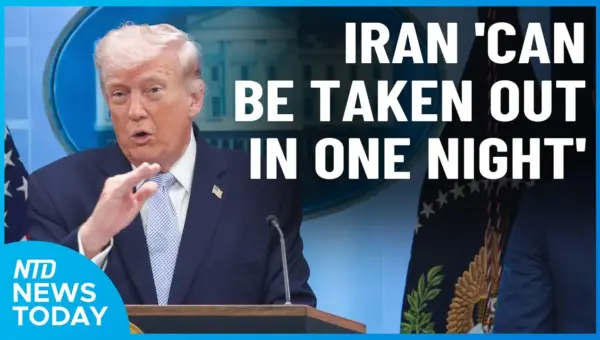
Trump’s Iran Threat: A Risky Game of Diplomacy?
President Trump issued a stern warning to Iran, stating they could be "taken out in one night" if talks fail, while also detailing a successful U.S. airman rescue. This rhetoric highlights the tense geopolitical climate and the delicate balance between deterrence and diplomacy.

Trump’s Wild Threats Expose Deeply Troubled Mind
Donald Trump's Easter Sunday posts revealed a volatile mix of threats against Iran, religious mockery, and claims of impending war. Following these outbursts, a peculiar "self-soothing tour" around D.C. drew comparisons to caring for someone with dementia, raising serious questions about his judgment and fitness for office.
Trump’s War Woes: GOP Faces Collapse Amidst Failed Strategy
The MAGA GOP faces mounting criticism over Donald Trump's leadership, with accusations of strategic failures in foreign policy and economic mismanagement. Critics point to a disconnect between the party's rhetoric and the struggles of everyday Americans.