Trump’s Iran Threat: A Risky Game of Diplomacy?
President Trump issued a stern warning to Iran, stating they could be "taken out in one night" if talks fail, while also detailing a successful U.S. airman rescue. This rhetoric highlights the tense geopolitical climate and the delicate balance between deterrence and diplomacy.

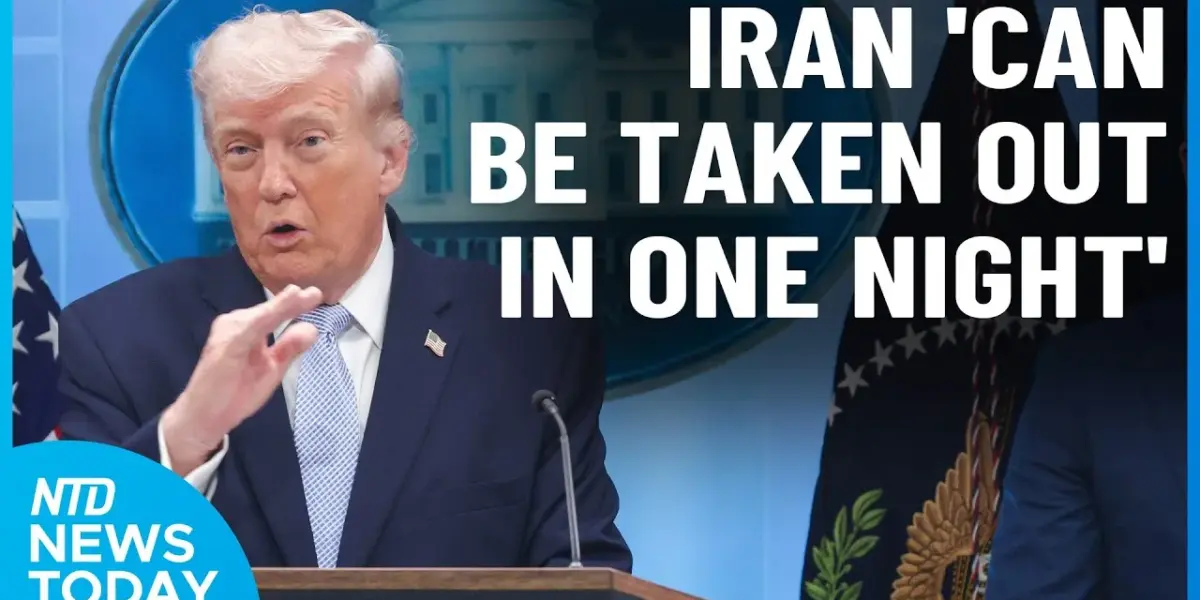
Trump’s Bold Warning to Iran Echoes Tense Geopolitics
President Donald Trump recently made a striking statement, warning that Iran could be “taken out in one night” if negotiations between the two nations fail. He added a chilling postscript: “And that night might be tomorrow night.” These words, spoken at a news conference, highlight the high stakes and volatile nature of the current relationship between the United States and Iran.
A Dramatic Rescue and a Pilot’s Faith
The same news conference also featured a story of a successful rescue mission. Secretary of War Pete Hegseth recounted the ordeal of a U.S. airman who was downed and later rescued. The pilot managed to evade capture for over a day, navigating difficult terrain while being pursued. His first message upon being located, alerting the military to his whereabouts, was a simple yet profound, “God is good.” This detail offered a moment of human resilience amidst the broader geopolitical tensions.
Historical Context: A Long History of Friction
The relationship between the U.S. and Iran has been complex and often fraught with tension for decades. Following the 1979 Iranian Revolution, diplomatic ties were severed, and relations have remained strained. Issues such as Iran’s nuclear program, its regional influence, and U.S. sanctions have been persistent points of conflict. Trump’s recent rhetoric is not entirely new; previous administrations have also employed strong language and military posturing when dealing with Iran.
Examining the Rhetoric: Diplomacy vs. Deterrence
Trump’s statement about Iran being “taken out in one night” can be seen as a form of aggressive deterrence. The goal of such strong language is often to dissuade an adversary from taking certain actions by threatening severe consequences. It’s a tactic aimed at shaping an opponent’s calculations through the projection of overwhelming military power. However, this approach carries significant risks.
Critics argue that such aggressive rhetoric can escalate tensions, potentially leading to miscalculations or unintended conflicts. Instead of fostering negotiation, it might provoke a defensive or even retaliatory response from Iran. This could draw the U.S. into a wider conflict, something many policymakers wish to avoid. The phrase “taken out” is also vague, leaving room for interpretation and potentially fueling further anxiety.
The Role of Negotiation and Sanctions
The U.S. has largely relied on a strategy of economic sanctions to pressure Iran, aiming to force it back to the negotiating table or curb its perceived destabilizing activities. The Trump administration, in particular, pursued a “maximum pressure” campaign. While sanctions can indeed hurt an economy, their effectiveness in changing a nation’s fundamental policies is often debated. Iran has, at times, shown resilience in the face of sanctions, and its leadership has often framed them as foreign aggression.
The mention of negotiations in Trump’s statement suggests that military action is not the only option being considered. However, the threat of immediate military action can undermine the very negotiation process it claims to support. True diplomacy often requires a degree of trust and a willingness to engage without the imminent threat of destruction hanging over the talks. It’s a delicate balance between applying pressure and keeping communication channels open.
Why This Matters
The statements made by President Trump have significant implications for regional stability and global security. Iran is a key player in the Middle East, and any direct military confrontation could have far-reaching consequences, affecting oil markets, international trade, and the lives of millions. The rhetoric also shapes public perception and influences the actions of allies and adversaries alike. A misstep or misunderstanding in such a tense environment could be catastrophic.
Implications, Trends, and Future Outlook
The current trend suggests a continued standoff between the U.S. and Iran, characterized by strong rhetoric, economic pressure, and the ever-present possibility of military escalation. The success of any future diplomatic efforts will likely depend on de-escalation from both sides and a willingness to find common ground, however narrow.
The rescue story, while a positive outcome, also serves as a reminder of the dangers faced by military personnel operating in hostile environments. The pilot’s message of faith highlights the human element in these high-stakes situations. Moving forward, the challenge for policymakers will be to manage this complex relationship through a combination of firm deterrence and genuine diplomatic engagement, aiming to prevent conflict while addressing legitimate security concerns.
Looking Ahead
The path forward remains uncertain. Whether Trump’s aggressive stance will ultimately lead to a more stable outcome or push the region closer to conflict is a question that only time will answer. The interplay between military threats and diplomatic overtures will continue to define the U.S.-Iran relationship in the coming months and years.
Source: Trump: Iran ‘Can Be Taken Out in One Night’; Airman Sent 'God is Good' | NTD News Today April 6 (YouTube)

Related Articles
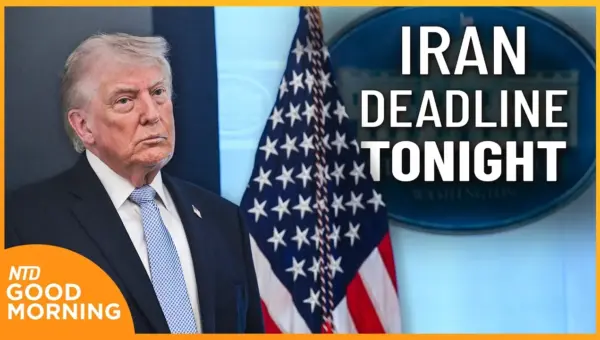
Trump’s Iran Threat Looms as Artemis II Reaches New Space Heights
Former President Trump issued a stern warning to Iran regarding a potential deal, while the Artemis II mission achieved a new distance record in space. The Education Department also announced it is rescinding Title IX agreements related to gender identity policies.

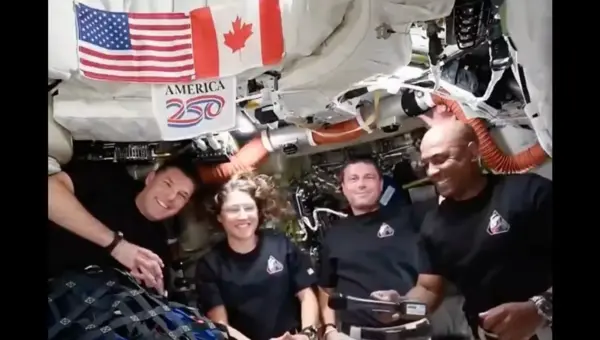
Astronauts Shatter Space Record, Trump Hails New Lunar Era
NASA's Artemis 2 astronauts have achieved a historic milestone, flying farther from Earth than any humans before. The record-breaking mission around the moon also included a touching tribute and a renewed vision for lunar and Martian exploration.
Iran Tensions Spike, Defense Budget Soars, DHS Shutdown Continues
Iran escalates threats in the Gulf, demanding a deal to reopen the Strait of Hormuz or face retaliation. Simultaneously, a massive $1.5 trillion defense budget is proposed in the U.S., while the Department of Homeland Security remains in a protracted shutdown. The debate over Cuba policy also intensifies, with China stepping in to aid the island nation.