US Rescues Airmen From Iran in Daring “Operation Epic Fury”
U.S. forces executed a high-risk rescue mission deep inside Iran to recover two downed F-15 airmen during "Operation Epic Fury." The daring operation, involving extensive air support and intelligence, successfully brought both pilots home safely over the Easter weekend, reinforcing the military's "leave no one behind" ethos.


US Rescues Airmen From Iran in Daring “Operation Epic Fury”
In a dramatic display of military might and unwavering commitment, U.S. forces successfully executed a complex combat search and rescue mission deep within Iranian territory to retrieve two downed airmen. The operation, codenamed “Epic Fury,” saw American pilots and special operators flying into hostile airspace under heavy fire to bring their fellow service members home safely. The daring rescue, which occurred over the Easter weekend, highlights the U.S. military’s resolve to leave no one behind, even in the most perilous situations.
F-15 Downed in Enemy Territory
Late Thursday night, an American F-15 fighter jet participating in “Operation Epic Fury” crashed deep inside Iran. Both crew members ejected and landed alive on Iranian soil. The pilot, identified by the call sign “Dude 44 alpha,” managed to evade enemy forces, while the weapon system officer, a highly respected colonel, landed injured some distance away.
President Orders Immediate Rescue Mission
Upon learning of the downed airmen, President Trump immediately ordered U.S. armed forces to undertake whatever actions were necessary for their recovery. “It’s a hard decision to make,” President Trump stated during a press briefing, “But in the United States military, we leave no American behind. We don’t do it.” This directive launched an immediate and massive rescue operation involving a significant deployment of military assets into hostile territory.
Operation “Epic Fury” Unfolds
The rescue involved an astonishing 21 military aircraft initially flying at very low altitudes and facing heavy enemy fire. The first wave of forces successfully located the pilot and extracted him via an HH-60 Jolly Green II helicopter. The operation was fraught with danger, with aircraft sustaining damage from gunfire.
Second Airman’s Perilous Ordeal
The second crew member, the injured colonel, faced a more challenging situation. Stranded in treacherous mountain terrain and bleeding from his wounds, he followed his training to evade capture. He treated his own injuries and used a sophisticated emergency beacon to transmit his location. Despite the difficult conditions and the risk of being discovered by Iranian forces or militia, he managed to survive for nearly 48 hours.
Massive Mobilization for Second Rescue
A much larger operation was mobilized to retrieve the second airman. This involved 155 aircraft, including bombers, fighters, refueling tankers, and specialized rescue aircraft. The mission employed deception tactics to confuse Iranian forces, who were actively searching for the downed airmen. “We wanted to have them think he was in a different location,” explained President Trump, highlighting the strategic complexity of the operation.
Show of Force and Precision
In a breathtaking display of skill, the U.S. military descended on the area where the second airman was located. They engaged and neutralized enemy threats, rescued the stranded officer, and successfully exited Iranian territory without any American casualties. The operation showcased the U.S. military’s superior technology, training, and the courage of its personnel.
Contingency Planning and Ingenuity
The extraction of the airmen presented further challenges, particularly with the weight of the equipment and personnel needing to depart from a sandy, unprepared area. The military had an “unbelievable” contingency plan in place, involving lighter, faster aircraft to extract personnel if the larger planes couldn’t take off. This plan was crucial, as the sandy conditions indeed bogged down the initial aircraft. The rapid redeployment and reassembly of helicopters on the ground also highlighted the incredible ingenuity of the troops.
CIA’s Critical Role
CIA Director John Ratcliffe emphasized the vital role of intelligence in such operations. “The flawless military operations that the Department of War is known for are hostage to flawless intelligence,” he stated. The CIA deployed both human assets and advanced technologies to locate the downed airman, describing the challenge as akin to finding “a single grain of sand in the middle of a desert.” They also executed a deception campaign to mislead Iranian forces.
“Leave No One Behind” Ethos
The mission underscored a core principle of the U.S. armed forces: “We leave no American behind.” Secretary of Defense Mark Esper noted that the successful rescue was not luck but the result of “unmatched training, superior technology, an unbreakable warrior ethos, and sheer American grit.” The operation, completed on Easter Sunday, was hailed as a testament to American strength and the commitment of its leadership.
Broader Implications and Future Operations
President Trump indicated that “Operation Epic Fury” is part of a larger, ongoing military effort in the region. He stated that over the past 37 days, U.S. forces had conducted more than 10,000 combat flights over Iran and struck over 13,000 targets. The downed F-15 was the first manned aircraft lost in this operation. The President warned Iran to “choose wisely” as the U.S. intends to escalate strikes in the coming days, demonstrating a clear message of American resolve.
A Nation Rejoices
The successful rescue of both airmen brought a sense of relief and pride to the nation. The pilot’s first message upon activation of his beacon was “God is good,” a sentiment echoed by many as the airmen returned home safely. The operation serves as a powerful reminder of the risks undertaken by military personnel and the nation’s commitment to their well-being.
Source: FULL: Trump, military leaders provide update on airman rescue and Operation Epic Fury (YouTube)

Related Articles

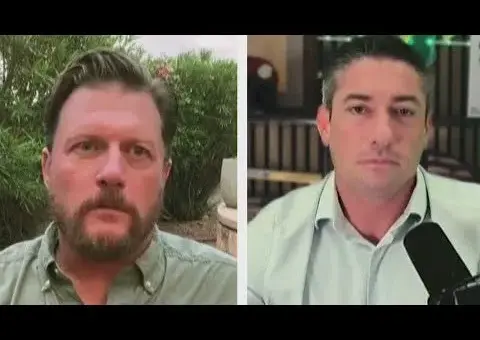
US Air Force Stages Daring Rescue Mission in Iran
Former U.S. Air Force members detail a recent daring rescue mission within Iran, highlighting rigorous training, immense risks, and the unwavering commitment to personnel recovery. The operation showcased advanced capabilities and tactical prowess in a high-threat environment.


US Military Never Leaves Warriors Behind: A Daring Rescue
A daring rescue of a downed US jet crew in Iran highlights the military's core principle: leaving no American behind. Retired Lt. Col. Darren Gob details the mission's risks, the complex planning involved, and the vital role of mindset and faith for survival. This commitment reassures service members and underscores national resolve.
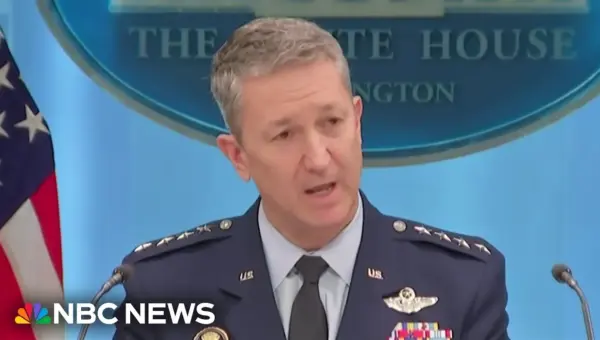
US Airmen Rescue: A Daring Daylight Mission Unfolds
Two U.S. Air Force pilots were dramatically rescued from behind enemy lines in a perilous operation spanning over 50 hours. The mission, described as "incredibly dangerous," showcased the bravery of U.S. forces and the nation's commitment to bringing its airmen home.