Trump’s Iran Stance: Bold Decisions Under Pressure
President Trump's firm stance on Iran's nuclear program and his willingness to act decisively under pressure are highlighted. The article details the complexity of military operations, like the successful pilot rescue, and how American adaptability contributes to mission success. Geopolitical actions can influence global markets, especially energy prices, making investor awareness crucial.

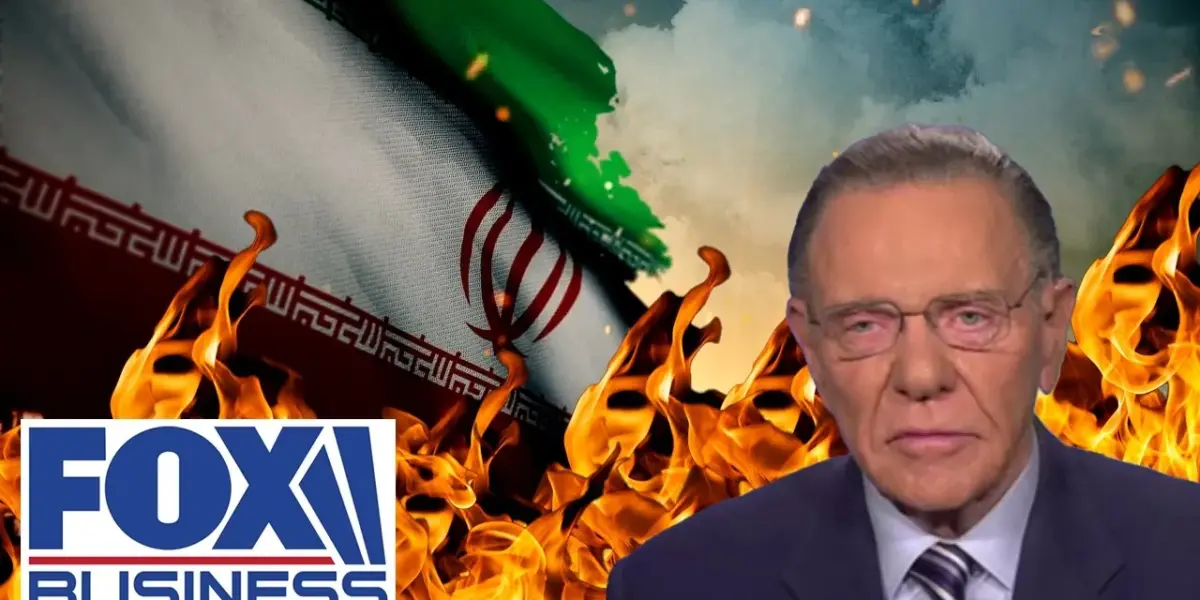
Trump’s Iran Stance: Bold Decisions Under Pressure
President Trump has consistently signaled a firm stance on Iran, particularly regarding its nuclear ambitions. In recent discussions, the President emphasized the need to prevent Iran from acquiring nuclear weapons, calling the prospect of putting such power into the hands of what he termed “lunatics” unacceptable. He suggested that Iran, if left unchecked, would need around 15 years to rebuild its capabilities if military action were taken, but expressed a desire for a swift resolution to any ongoing conflicts.
This approach reflects a broader pattern of decision-making by the President, especially when faced with potential consequences. Unlike previous administrations that may have hesitated due to fear of backlash or unpredictable outcomes, President Trump has demonstrated a willingness to act decisively. This was evident when he questioned why certain actions against Iran hadn’t been taken before, acknowledging the risks but ultimately prioritizing the opportunity to halt Iran’s regional influence.
The Mission’s Complexity and Success
The successful rescue of a downed fighter pilot highlighted the intricate planning and execution involved in high-stakes military operations. CIA Dan Hoffman noted that deception played a crucial role in the mission’s success, emphasizing the powerful synergy between intelligence agencies and military capabilities. The operation required not only advanced technology and extensive training but also immense bravery from the personnel involved.
Air Force pilots undergo mandatory survival training to prepare for worst-case scenarios. The rescue mission, described as bold and complicated, was ultimately successful due to a combination of factors. These included the commander-in-chief’s decisive leadership, the intelligence community’s capabilities, and the military’s readiness.
Decision-Making Under Duress
The article points to a contrast in decision-making styles. While past administrations, such as the Obama administration, may have been hesitant to act due to concerns about consequences, President Trump has shown a different approach. For instance, when faced with a situation involving Iran that might have led to war, he took the opportunity to confront the issue, rather than letting the fear of repercussions dictate inaction.
This willingness to consider and accept potential consequences, rather than being paralyzed by them, is presented as a key characteristic of his leadership. The decision to proceed with certain actions, despite the complexity and risks, stemmed from a belief that the opportunity to address the threat was too significant to ignore. This contrasts with a perceived pattern of hesitation in previous administrations when similar opportunities arose.
The Military’s Adaptive Strategy
Military operations of this nature are inherently complex, requiring meticulous planning to anticipate and counter numerous potential failures. For every identified risk, such as pilots getting stuck on an airfield, contingencies are developed. These might include having backup aircraft ready to take over a mission, ensuring the operation can continue despite unforeseen obstacles.
The planning phase involves a thorough drill of “what could go wrong.” This includes considering enemy capabilities, such as ground attacks, cyber warfare, or electronic jamming. For each potential threat, the military develops a corresponding contingency plan. This adaptive problem-solving capability is crucial for success in challenging environments.
Reflecting American Culture
The ability to establish a forward operating base deep within enemy territory, operating clandestinely for hours, requires significant imagination and boldness. This capacity is seen as a reflection of American culture itself – one that values adaptability, flexibility, and innovation. The military’s success in complex missions is, therefore, a testament to the quality of the individuals serving and the values they embody.
This inherent adaptability allows American forces to overcome challenges and succeed in operations that demand creative solutions and quick thinking. The successful rescue mission serves as an example of how these cultural traits translate into effective military action, showcasing the nation’s resilience and ingenuity on the global stage.
Market Impact
While this article focuses on geopolitical and military strategy, such actions can have ripple effects on global markets. Increased tensions in the Middle East, particularly involving major oil producers like Iran, can lead to volatility in energy prices. Investors often react to geopolitical uncertainty by seeking safer assets, potentially impacting stock markets and currency exchange rates. However, swift and decisive actions that resolve potential conflicts can also lead to market stabilization.
What Investors Should Know
Investors monitor geopolitical developments closely, as they can influence economic stability and corporate earnings. Events involving Iran often have a direct impact on oil prices, affecting transportation, manufacturing, and consumer spending. Understanding the President’s foreign policy approach, as highlighted in these discussions, provides context for potential market reactions to regional instability. The emphasis on decisive action suggests a potential for quicker resolutions to crises, which could, in turn, lead to faster market recovery periods compared to prolonged standoffs.
Source: HIDDEN RISKS: Gen Keane REVEALS what could have COLLAPSED the mission (YouTube)

Related Articles
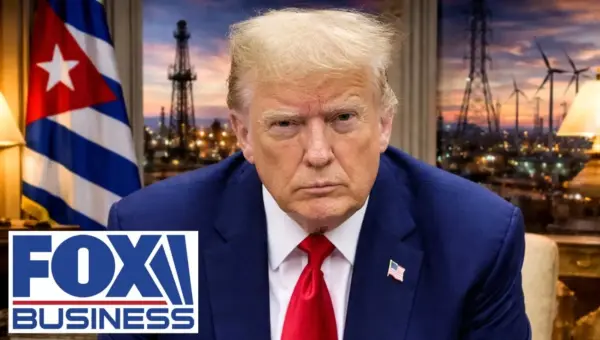
Iran Tensions Spike, Defense Budget Soars, DHS Shutdown Continues
Iran escalates threats in the Gulf, demanding a deal to reopen the Strait of Hormuz or face retaliation. Simultaneously, a massive $1.5 trillion defense budget is proposed in the U.S., while the Department of Homeland Security remains in a protracted shutdown. The debate over Cuba policy also intensifies, with China stepping in to aid the island nation.

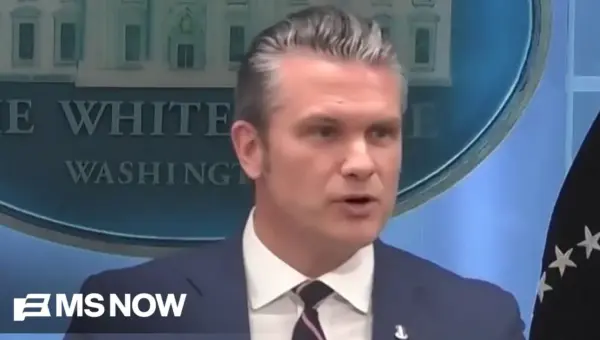
Defense Secretary’s Easter Rescue Comparison Sparks Debate
The U.S. Defense Secretary's comparison of a downed airman's rescue to Jesus' resurrection has sparked debate. Critics argue this religious framing of military action plays into Iran's hands and hinders diplomacy. Experts warn of escalating conflict and historical blowback from such strategies.


Trump Warns Iran: Civilian Targets Could Face Destruction
President Trump has threatened to destroy Iran's bridges and power plants if a deadline regarding the Strait of Hormuz is not met. International alarm is growing as negotiations falter and concerns mount over potential war crimes and the impact on civilians. Allies are expressing deep concern over the U.S. approach and the potential for wider conflict.