Senator: Trump’s Iran Actions Put US in ‘Dangerous Place’
Democratic Congressman Adam Smith warned that U.S. policy in Iran has led to a "very dangerous place" with strategic goals unmet. He criticized the lack of progress in changing Iran's behavior and the increased risks, including potential ground operations in the Strait of Hormuz. Smith also expressed doubt about diplomatic solutions, noting a wide gap between U.S. and Iranian demands.


Democrat Adam Smith Warns of Escalation, Lack of Progress in Iran Conflict
Washington D.C. – U.S. policy toward Iran has placed the nation in a “very dangerous place,” according to Adam Smith, the ranking member of the House Armed Services Committee. Speaking ahead of a presidential press conference, Smith expressed deep concern over the current strategy, stating that while the U.S. has inflicted damage on Iran, the core goals of changing the regime’s behavior and halting its destabilizing actions remain unmet. The conflict, he argued, has been a strategic disaster.
Goals Unmet, Risks Rise
Smith detailed the initial objectives of the U.S. actions, which included destroying Iranian missiles, drones, and industrial capacity. However, he emphasized that these military successes have not translated into achieving the larger aims. “The real goal here was to fundamentally change the Iranian regime’s behavior, maybe even fundamentally change the Iranian regime itself,” Smith stated. “And we haven’t seen that.”
He further elaborated on the unmet objectives: ending Iran’s ballistic missile and nuclear programs, and halting its support for regional terrorism. Instead of progress, Smith noted a dangerous new development. “We’re now having this discussion about having to put boots on the ground to secure the Strait of Hormuz, which wasn’t even on the table before this began,” he said. This, he warned, gives Iran a new advantage, effectively granting them leverage through their control over the vital waterway.
Criticism of President’s Approach
When asked what he hoped to hear from the president, Smith expressed skepticism. “I expect to hear incoherent rantings that contradict themselves from the president,” he admitted. He described his assessment of the president’s statements as a “factual observation,” noting a consistent disregard for the truth and a tendency toward self-contradiction.
Smith’s primary concern is any indication of further escalation. “What concerns me is anything that gives an indication that he is going to escalate this war further, kill more people, destabilize the Middle East and the global economy and undermine U.S. standing in the world further,” he explained. He dismissed the idea that deploying troops to the Strait of Hormuz would achieve strategic goals, comparing it to a limited rescue operation rather than a solution to weaken the regime.
“Boots on the ground are not going to make a strategic difference in terms of weakening the Iranian regime,” Smith asserted. “They’re only going to up the cost of the war and the casualty count for the United States.” He voiced fear that the president might be seeking ways to escalate the conflict, despite the absence of viable options that could lead to success.
Diplomacy at an Impasse
The possibility of a diplomatic solution appears remote, according to Smith. He pointed to the Iranian foreign ministry’s response to the president’s recent comments, which stated that negotiation is incompatible with ultimatums and threats. Smith recalled the president’s repeated claims since 2017 that Iran is seeking a deal, a notion he dismisses as untrue after nearly a decade.
The gap between U.S. demands and Iran’s position is vast. The U.S. continues to insist on Iran abandoning its ballistic missile and nuclear programs and ceasing support for terrorism. Additionally, Iran wants its control over the Strait of Hormuz recognized and seeks reparations for war costs. “So the place where we’re at in the negotiations and what they’re at in the negotiations couldn’t possibly be further apart,” Smith observed.
A Ceasefire as a First Step?
Despite the deep divisions, Smith suggested that a ceasefire might be a possible, albeit limited, outcome. Such an agreement would stop the immediate bloodshed and reduce costs, potentially creating space for future negotiations. However, he stressed that the fundamental issues remain unresolved. “The two sides could not be further apart at this moment, actually further apart than they were before we started this war,” he concluded.
Smith recalled that negotiations were reportedly close to addressing Iran’s nuclear program before the U.S. and Israel initiated the current conflict, hoping a strike on Iranian leadership would end the regime. This strategy, he stated, proved to be a grave miscalculation.
Source: Trump’s Iran escalations put the U.S. ‘in a very dangerous place’: Dem. Sen. (YouTube)

Related Articles

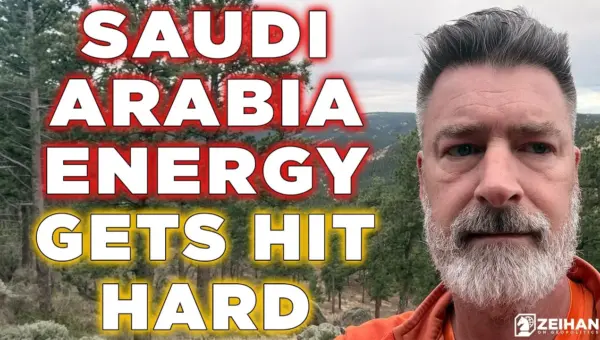
Iran Strikes Saudi Oil Hub, Threatening Global Energy
Iran's successful ballistic missile strike on Saudi Arabia's Jubail petrochemical complex exposes the vulnerability of global energy supplies. The attack threatens millions of barrels of oil and refined products, potentially causing price spikes and economic instability worldwide. This escalation signals a dangerous new phase in regional power dynamics.
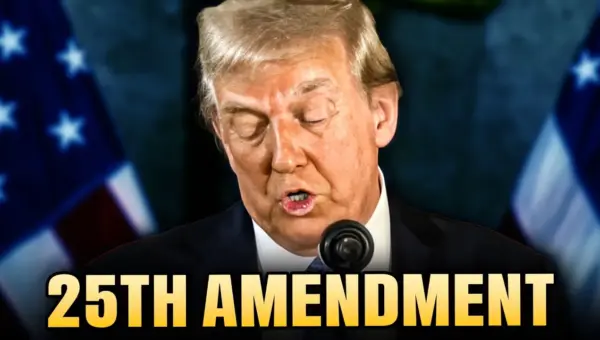
25th Amendment Calls: Can JD Vance Act Against Trump?
Searches for the 25th Amendment are spiking as public figures and citizens demand action regarding Donald Trump's behavior. The process hinges on Vice President JD Vance, who must secure support from Congress or the Cabinet to initiate removal. This analysis explores the challenges and potential future actions, including congressional hearings if Democrats regain control.

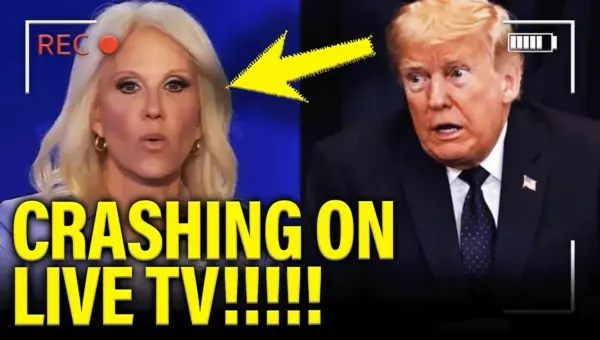
Fox News Hosts Falter as Trump’s Iran Stance Backfires
Fox News personalities appeared flustered and divided as Donald Trump's aggressive stance on Iran faced rejection and criticism. The segment highlighted conflicting narratives, blame-shifting, and defenses of Trump's image amidst international tensions.