Trump Claims “Significant Step” in Iran Talks, But “Not Good Enough”
President Trump described Iran's latest proposal in talks as a "significant step" but "not good enough," while also renewing threats to strike Iranian infrastructure. Experts question the effectiveness of military threats and suggest alternative diplomatic strategies, as Iran signals it will not back down.

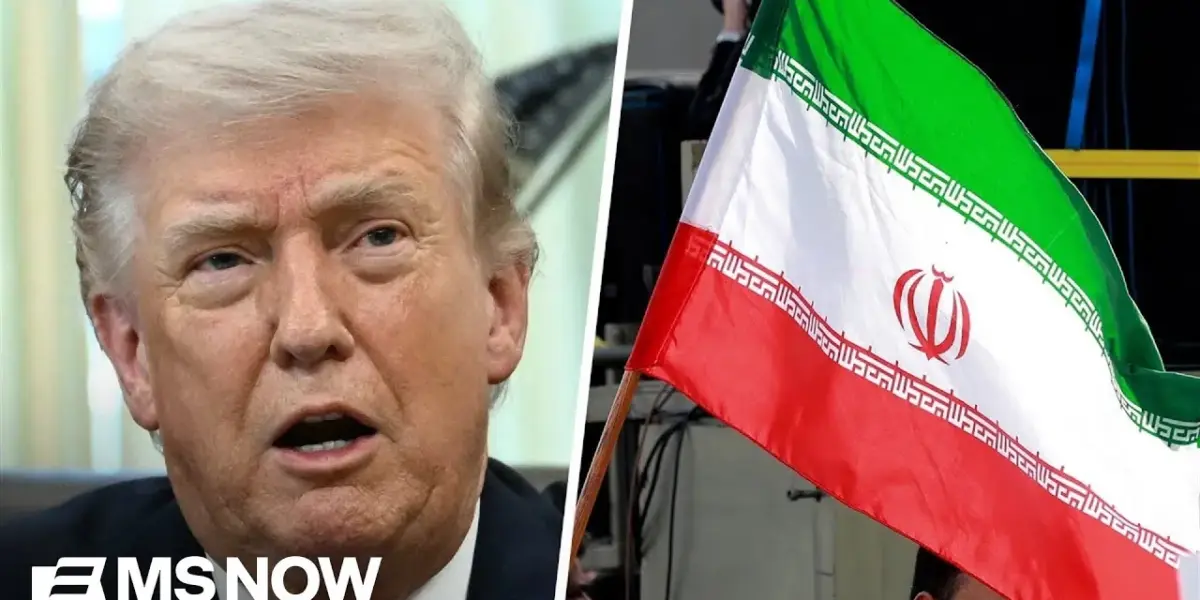
President Hints at Progress Amidst Conflicting Statements on Iran Negotiations
President Trump has stated that Iran has presented a proposal in ongoing negotiations, calling it a “significant step” but ultimately “not good enough.” The remarks were made on Saturday at the White House Easter Egg Roll, coming after a period of heightened tensions and threats between the two nations. A White House official had previously indicated that no specific ceasefire plan had been approved, with multiple options being considered.
Mixed Messages on Military Action and Diplomacy
The President’s comments reveal a complex and perhaps contradictory approach to dealing with Iran. While acknowledging a proposal from Iran, he also reiterated threats made over the weekend to strike Iranian power plants and bridges if no satisfactory action is taken by Tuesday evening. These threats have drawn criticism, with questions raised about whether such actions would constitute war crimes. The President did not directly address these concerns when asked by reporters.
“They’ve made a proposal and it’s a significant proposal, a significant step. It’s not good enough, but it’s a very significant step. They’re negotiating now and they’ve made a very significant step. We’ll see what happens.”
President Trump
Concerns Over Civilian Impact and Iranian Response
Despite acknowledging that hitting civilian infrastructure could cause suffering for Iran’s population of 93 million, President Trump argued that the Iranian people are already living in difficult conditions. This perspective is not shared by all. Retired Major General Spider Marx questioned whether attacking civilian targets is a sound military strategy. He suggested that focusing on ensuring the safe passage of oil through the Strait of Hormuz could be a more effective approach, offering the Iranian regime an “off ramp” while benefiting the United States by allowing for a reduced military presence.
Divergent Views on Negotiation Status
Experts on the ground expressed skepticism about the directness of the current negotiations. David Rode, national security reporter for MSNOW, noted that while messages may be exchanged through intermediaries, there are no current face-to-face talks or ongoing plans. He highlighted statements from Iran indicating a rejection of a proposed 45-day ceasefire and a vow of a “much more crushing” response if civilian targets are attacked. This suggests that Iran is not backing down, viewing the situation through a lens of revenge and prepared for a prolonged confrontation.
A Difficult Path Forward
General Marx suggested that a smarter approach might involve creating divisions within the Iranian elite, rather than causing widespread suffering among the general population. He believes that a majority of the Iranian people desire regime change. Therefore, actions that disrupt daily life, like cutting off power, might send the wrong message. Instead, he proposed continuing targeted raids, similar to the recent successful rescue operation, to show commitment and support for the Iranian people without resorting to attacks on essential infrastructure.
Extraordinary Rescue Operation Highlights Military Capability
The discussion also touched upon a recent extraordinary rescue operation involving a downed fighter pilot. The pilot, a colonel and weapons officer, ejected from an F-15 after it was shot down. Despite a sprained ankle, he managed to hike several thousand feet up a ridge. He used communication systems to send intermittent signals for help, balancing the need to be found with the risk of Iranian detection. A deception campaign by the CIA, suggesting the pilot was being moved by road, aimed to mislead Iranian forces. Hundreds of special forces soldiers then secured the area with air support before rescuers reached the pilot. The operation, described as searching for a “needle in a haystack,” underscored the extensive training and capabilities of U.S. forces.
What Comes Next in Iran Tensions
With President Trump’s ultimatum for action by Tuesday evening looming, the world watches to see if diplomatic channels can yield results or if the situation will escalate. The conflicting signals from the White House, combined with Iran’s firm stance, suggest a precarious period ahead. Attention will be focused on any further proposals, potential military actions, and the broader implications for regional stability and global energy markets.
Source: Trump on Iran talks: "They've made a proposal" but "it's not good enough" (YouTube)

Related Articles

Iran Strikes Saudi Oil Hub, Threatening Global Energy
Iran's successful ballistic missile strike on Saudi Arabia's Jubail petrochemical complex exposes the vulnerability of global energy supplies. The attack threatens millions of barrels of oil and refined products, potentially causing price spikes and economic instability worldwide. This escalation signals a dangerous new phase in regional power dynamics.


Fox News Hosts Falter as Trump’s Iran Stance Backfires
Fox News personalities appeared flustered and divided as Donald Trump's aggressive stance on Iran faced rejection and criticism. The segment highlighted conflicting narratives, blame-shifting, and defenses of Trump's image amidst international tensions.
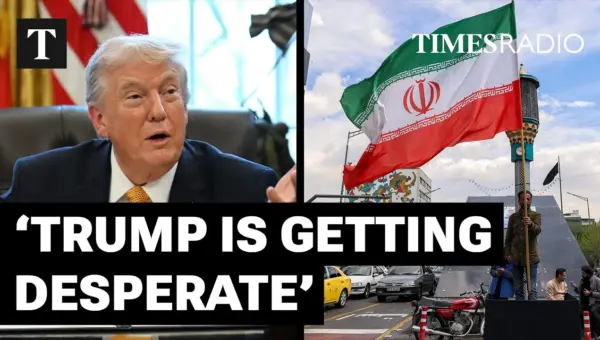
Trump’s Iran Threats Met With Laughter, Expert Says
Former Royal Navy officer John Foreman believes Iran is 'laughing' at President Trump's escalating threats over the Strait of Hormuz. Foreman suggests Trump's "outlandish rhetoric" stems from miscalculations and a lack of preparedness for the conflict, while military officials convene to plan for the vital waterway's eventual reopening.