Trump’s War Talk Dominates Easter, Sparks Outrage
Donald Trump's Easter ceremony was overshadowed by his strong opinions on the Iran war. He defended the conflict, calling critics "foolish" despite rising gas prices and global instability. The event featured unusual moments and a confusing mix of war talk and holiday tradition, raising questions about foreign policy and presidential communication.

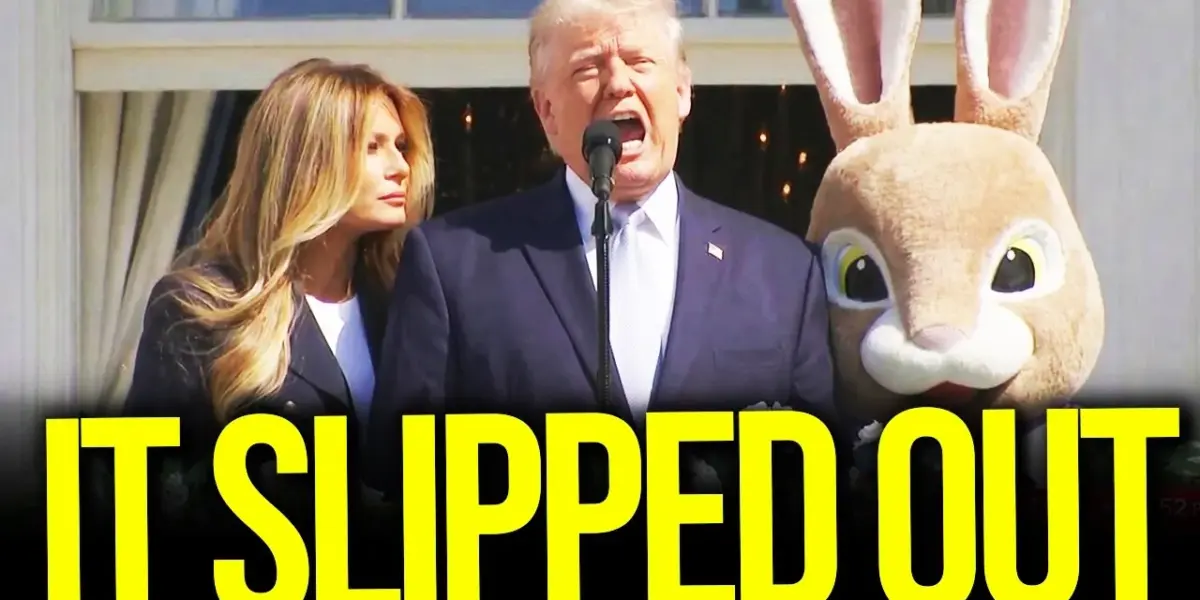
Trump’s Easter Speech Turns Sour Amidst War Concerns
Donald Trump’s Easter ceremony, meant to be a time of peace and reflection, quickly became a stage for him to express frustration about the ongoing conflict with Iran. The situation highlights a complex international dynamic where the United States, despite its theoretical military and economic power, finds itself challenged by Iran’s unconventional warfare tactics. This conflict has led to disruptions in vital shipping lanes, like the Strait of Hormuz, which in turn has caused gas prices to rise for Americans.
A Question of Support and Foolishness
When asked about Americans who don’t support the war, Trump’s response was blunt: “They’re foolish.” This statement is particularly striking given that the war is contributing to higher gas and diesel prices, affecting the cost of nearly everything Americans buy. It also weakens America’s standing globally and allows Iran to profit from controlling the Strait of Hormuz. Many find it contradictory, recalling campaign promises of avoiding new wars, to be called “foolish” for questioning increased national debt and the potential loss of American lives.
Bizarre Moments Mar the Ceremony
The event itself was marked by unusual moments. At one point, Trump seemed to struggle to locate First Lady Melania Trump, even though she was standing nearby. His comments about her, calling her a “movie star” and questioning whether to call her by her title or profession, added to the strangeness of the occasion. These moments, combined with the unexpected focus on war, left many observers questioning the appropriateness and solemnity of the event.
The reality of what’s happening is not funny, but I can’t help but laugh. We have a president who is hijacking the Easter ceremony on the White House South Lawn because his war that he launched unconstitutionally, unnecessarily, and in a poorly planned manner is so damn unpopular that he has to again hijack the Easter ceremony.
War Briefings and the Easter Bunny
The scene shifted dramatically as Trump began discussing the war with Iran. The presence of the Easter Bunny during what was essentially a war briefing added a surreal element to the proceedings. Trump described Iran as “capable fighters” and “very tough people.” He also spoke about a past rescue operation where two pilots were recovered, emphasizing the difficulty and rarity of such missions in hostile territory.
Contradictions in Strategy and Rhetoric
The strategy behind the conflict raises significant questions. Trump mentioned the idea of keeping Iran’s oil, a notion he admitted the American public might not understand, especially given his past promises of “no new wars.” This suggests a potential disconnect between the administration’s actions and the public’s expectations. Furthermore, the threat to target Iranian civilian infrastructure, while simultaneously calling on the Iranian people to rise up against their regime, presents a confusing and potentially counterproductive approach.
The Question of Helping the Iranian People
A critical point of contention is how the current actions are perceived to help the Iranian people. Reporters questioned the logic of bombing civilian areas, such as water plants, bridges, and schools, when the stated goal is to support the population against a brutal regime. Trump’s response that the Iranian people “want to hear bombs because they want to be free” is a controversial claim, especially given the regime’s violent suppression of protests and the documented suffering of civilians.
Historical Context and Shifting Deadlines
This situation is particularly concerning when viewed against past events. In January, Trump encouraged the Iranian people to seek liberation, a call that was met with a violent crackdown by the regime, resulting in thousands of deaths. Despite this, no significant action was taken by the U.S. for months. Now, the administration has repeatedly set and moved back deadlines for action against Iran, leading to a perception of weak negotiating leverage and a lack of clear strategy. The repeated shifting of deadlines, from 48 hours to five days and then back again, suggests an administration struggling to find a decisive path forward.
The Rescue Operation: A Sign of Winning?
Trump’s discussion of the rescue operation, where multiple jets and pilots were lost, served as a pivot from questions about Iran’s supposed “obliteration.” While the successful rescue of service members is a positive outcome, framing it as evidence of winning the war is problematic. It’s akin to causing a major problem and then highlighting the act of fixing it as a victory. The underlying issues of lost aircraft, downed pilots, and the overall destabilization of the region remain significant concerns.
Diplomatic Stalls and Future Outlook
The administration’s reluctance to engage in diplomatic talks, with Trump stating he doesn’t want to discuss them because Iran hasn’t taken chances, further complicates the situation. This stance, coupled with the repeated failure to act on set deadlines, suggests a potential for continued escalation or prolonged conflict. The ongoing crisis in the Middle East, coupled with global market instability, points to a challenging future outlook if a clear and consistent strategy isn’t established.
Why This Matters
The events surrounding Trump’s Easter address highlight critical issues concerning presidential communication, foreign policy decision-making, and the impact of international conflicts on domestic life. The disconnect between the administration’s rhetoric and the realities faced by Americans, such as rising gas prices, is a significant concern. Furthermore, the effectiveness and ethical implications of military strategies, especially those that risk civilian casualties and employ shifting deadlines, demand careful scrutiny. The situation underscores the importance of clear, consistent, and transparent foreign policy, particularly when it involves the potential for conflict and significant economic repercussions for the nation and the world.
Source: Trump Easter Speech BACKFIRES as BAD NEWS Hits (YouTube)

Related Articles
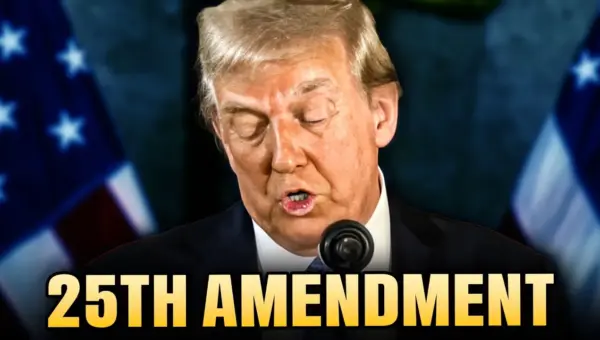
25th Amendment Calls: Can JD Vance Act Against Trump?
Searches for the 25th Amendment are spiking as public figures and citizens demand action regarding Donald Trump's behavior. The process hinges on Vice President JD Vance, who must secure support from Congress or the Cabinet to initiate removal. This analysis explores the challenges and potential future actions, including congressional hearings if Democrats regain control.
Fox News Hosts Falter as Trump’s Iran Stance Backfires
Fox News personalities appeared flustered and divided as Donald Trump's aggressive stance on Iran faced rejection and criticism. The segment highlighted conflicting narratives, blame-shifting, and defenses of Trump's image amidst international tensions.
Trump’s Iran Threats Met With Laughter, Expert Says
Former Royal Navy officer John Foreman believes Iran is 'laughing' at President Trump's escalating threats over the Strait of Hormuz. Foreman suggests Trump's "outlandish rhetoric" stems from miscalculations and a lack of preparedness for the conflict, while military officials convene to plan for the vital waterway's eventual reopening.