US Cracks Down on Iranian Regime Ties
The U.S. is revoking visas and residency for Iranians with ties to the Iranian government, including relatives of slain General Qasem Soleimani. These actions are part of a broader national security review aimed at preventing potential threats and countering Iranian influence.

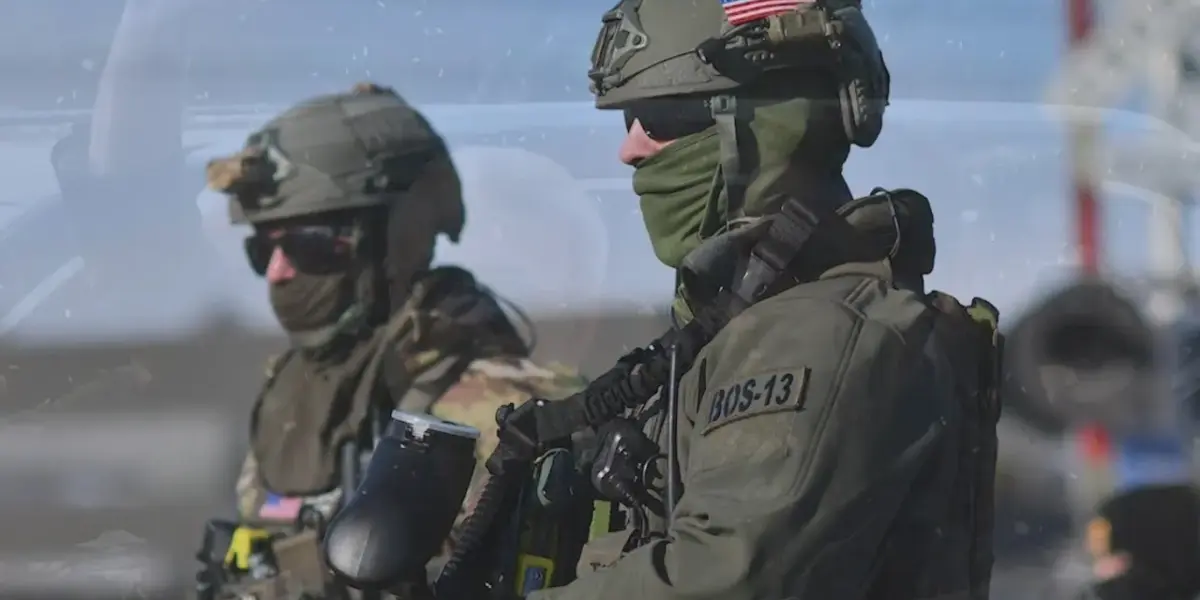
US Targets Iranian Regime Associates
The United States is increasing efforts to revoke visas and residency for Iranians linked to the Iranian government. This policy targets individuals with ties to Tehran, particularly those accused of supporting the regime or its actions against Americans. Recent actions show a focus on individuals with family connections to high-ranking Iranian officials.
Soleimani’s Relatives Detained
Federal authorities have detained Holiday Soleimani Ashar, the niece of slain Iranian General Qasem Soleimani. She entered the U.S. on a tourist visa in 2015 and was later granted asylum in 2019, becoming a lawful permanent resident in 2021. Officials state her green card was revoked after she disclosed multiple trips back to Iran after receiving her green card. They believe these trips suggest her original asylum claim may have been fraudulent.
Her daughter also entered the U.S. on a student visa in July 2015. She was granted asylum in 2019 and became a green card holder in 2023. Her legal status has also been revoked, and both mother and daughter are now in U.S. Immigration and Customs Enforcement (ICE) custody, awaiting deportation.
Senator Rubio’s Role
Senator Marco Rubio has been vocal about these cases. He claims Ashar used her social media to spread pro-Iranian propaganda and praise attacks on American soldiers. Rubio has stated that individuals with ties to extremist groups or regimes are not safe in the U.S., and their status can be revoked.
Broader Crackdown Underway
These detentions are part of a larger effort. At least four Iranian nationals connected to the regime have recently lost their visas or permanent residency. Some are already detained and facing deportation. In a separate case, an assistant professor at Emory University also had her visa revoked.
This move was prompted by a letter from a Georgia lawmaker. The lawmaker cited the professor’s familial ties to a senior Iranian official who publicly advocated violence against Americans. The State Department confirmed she is no longer in the U.S. and is barred from future entry.
Concerns Over Immigration Scrutiny
Legal experts suggest that more thorough vetting is needed when granting legal status to individuals. They believe authorities must closely examine people’s backgrounds and views. This scrutiny helps determine if individuals are genuinely seeking asylum or a normal life, or if they might be acting as agents of a foreign regime and could pose a threat to the U.S.
There is also concern that family members of Iranian regime officials may be living lavishly, potentially with financial support from the Iranian regime. This money could be used to help them subsist while living in the U.S. or other countries.
National Security Review
The administration is also conducting a national security review. This has previously led to the cancellation of visas for some Iranian nationals connected to Iran’s mission to the United Nations. U.S. authorities emphasize that it is a privilege to be granted a green card. If there is reason to believe a green card holder poses a threat, that status can be revoked.
Global Impact
This intensified U.S. policy toward Iranian nationals with regime ties signals a hardening of American immigration and national security stances. It reflects ongoing tensions between the U.S. and Iran, particularly concerning Iran’s regional influence and alleged support for militant groups. The actions could influence how other countries approach individuals with similar affiliations, potentially leading to increased international scrutiny of Iranian expatriates and their financial dealings.
Historical Context
The relationship between the U.S. and Iran has been strained since the 1979 Islamic Revolution. Qasem Soleimani, the general whose relatives are now detained, was a key figure in Iran’s foreign policy and military operations, especially the Quds Force. His killing in a 2020 U.S. drone strike was a major escalation. The current actions are part of a long-standing U.S. strategy to counter Iranian influence and perceived threats, often employing sanctions and visa restrictions.
Economic Leverage and Future Scenarios
While not directly discussed in terms of sanctions or trade figures in this context, the U.S. ability to revoke visas and residency is a form of economic and social pressure. It can limit the ability of targeted individuals to access financial systems or travel freely. Future scenarios could include further U.S. crackdowns on Iranian nationals, increased diplomatic friction with Iran, or retaliatory measures by Tehran. It is also possible that Iran could increase its own efforts to influence individuals abroad, leading to a continuous cycle of suspicion and counter-measures.
Source: Relatives of slain Iranian leader arrested by ICE | NewsNation Live (YouTube)

Related Articles

Iran Strikes Saudi Oil Hub, Threatening Global Energy
Iran's successful ballistic missile strike on Saudi Arabia's Jubail petrochemical complex exposes the vulnerability of global energy supplies. The attack threatens millions of barrels of oil and refined products, potentially causing price spikes and economic instability worldwide. This escalation signals a dangerous new phase in regional power dynamics.

Fox News Hosts Falter as Trump’s Iran Stance Backfires
Fox News personalities appeared flustered and divided as Donald Trump's aggressive stance on Iran faced rejection and criticism. The segment highlighted conflicting narratives, blame-shifting, and defenses of Trump's image amidst international tensions.
Trump’s Iran Threats Met With Laughter, Expert Says
Former Royal Navy officer John Foreman believes Iran is 'laughing' at President Trump's escalating threats over the Strait of Hormuz. Foreman suggests Trump's "outlandish rhetoric" stems from miscalculations and a lack of preparedness for the conflict, while military officials convene to plan for the vital waterway's eventual reopening.